

Bach Flower Remedies
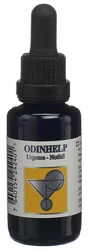

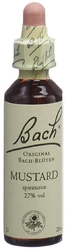
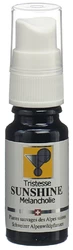

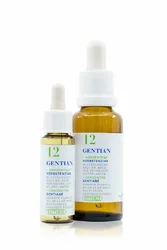
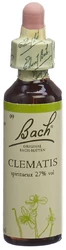
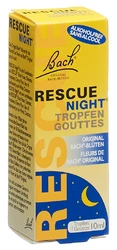
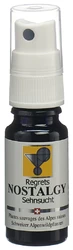

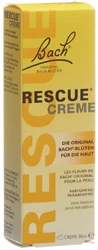
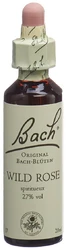
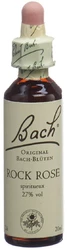


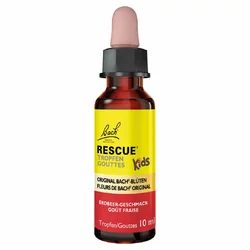
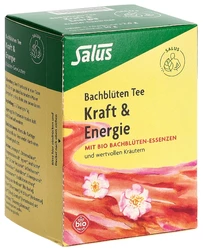


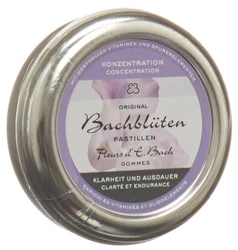


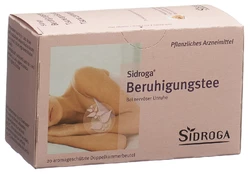
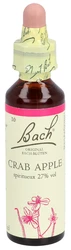
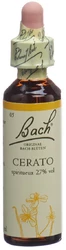



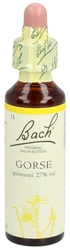

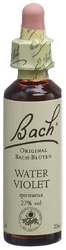


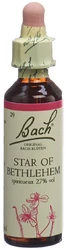
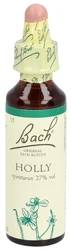
Bach Flower Remedies: floral essences for emotional balance and everyday support
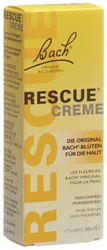
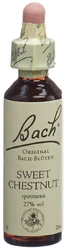
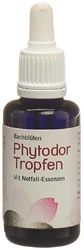
Bach Flower Remedies were developed by Dr Edward Bach in the early 20th century and consist of extracts from specific flowers, typically prepared in alcoholic or non‑alcoholic solutions. They are commonly available as drops, sprays or ready-made blends such as Rescue Remedy. In Switzerland these remedies are distributed within pharmacies and wellness retailers, where emphasis is placed on product quality, labelling and responsible advice.
Common uses relate to subjective emotional states: situational stress, nervousness, mild anxiety or low mood. Selection of a single essence or a blend is usually based on the description of feelings and on the preferred dosage form. Product labels should be checked for alcohol content, excipients and allergen information, especially for sensitive individuals.
Regarding scientific evidence, clinical research on Bach remedies is limited compared with pharmaceutical standards. Proposed mechanisms are non‑pharmacological and evidence is not equivalent to that required for medicinal products. In a pharmacy context it is therefore important to communicate transparently about potential benefits and current limitations of the evidence base.
Safety and practical guidance: typical administration is oral, with a few drops taken directly or added to water. Alcohol‑free formulations are available for people avoiding alcohol, such as pregnant individuals or those with certain health conditions. Although interactions with prescription drugs are uncommon, a pharmacist or physician should be consulted when combining with psychotropic or other critical medications. Storage in a cool, dark place and adherence to expiry dates help preserve product quality.
Practical recommendations: for short‑term needs standard blends can be useful; prolonged use warrants reassessment by a healthcare professional. Follow manufacturer dosing instructions; exceeding recommended amounts is not supported by evidence. Pharmacists provide personalized guidance on selection, safe usage and compatibility with other therapies.


