

Body Hygiene
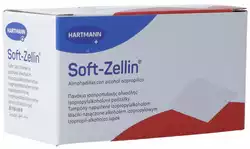
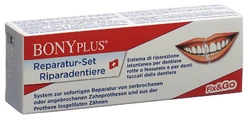
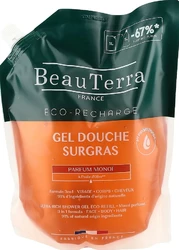

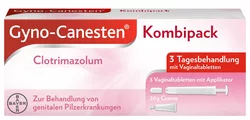
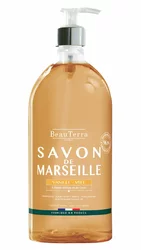
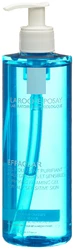

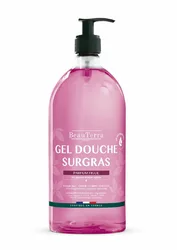
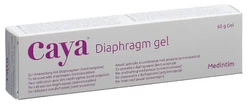
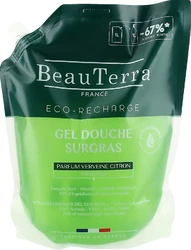
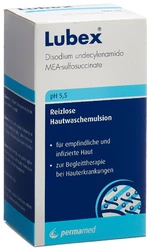
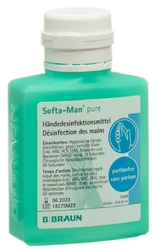
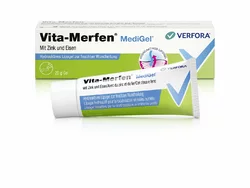
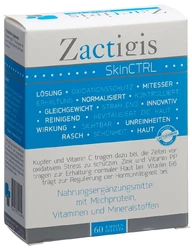
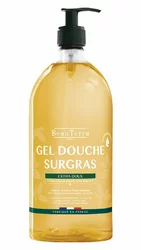
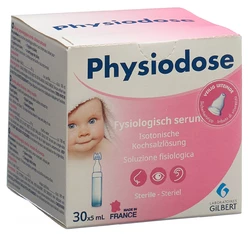
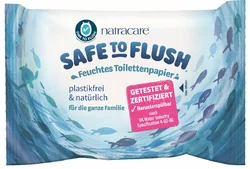
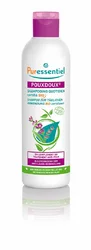
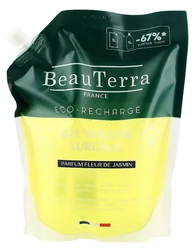
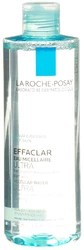
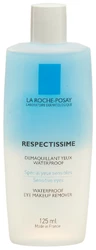
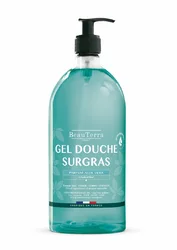
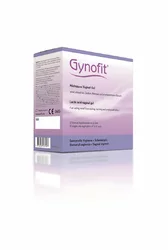
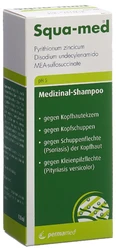
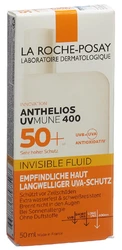
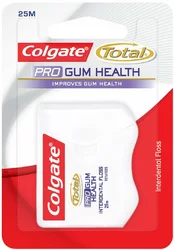

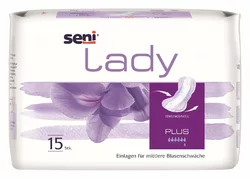
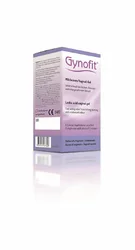
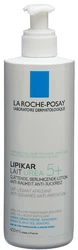
Body hygiene: safe care for skin, hair and intimate areas
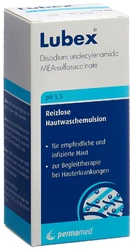
Body hygiene is a fundamental part of personal care and daily health maintenance. It includes products for cleansing, skin protection and supporting the skin's natural barrier. In a pharmacy setting, priority is given to formulations with proven skin tolerance, minimal sensitizing potential and clear ingredient labelling. Consumers with sensitive or reactive skin benefit from products that are free from strong fragrances and harsh detergents.
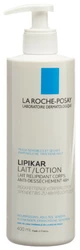
For shower and bath, syndet-based cleansers and mild surfactants are often preferable to strongly alkaline soaps, which can disrupt the skin's hydrolipid film. Emollient-containing cleansers help retain moisture and reduce drying. Baby products should be formulated specifically for delicate skin, with carefully selected preservatives and fragrance-free compositions where possible.
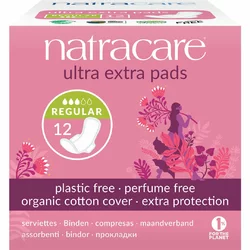
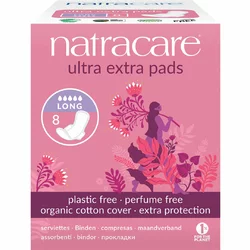
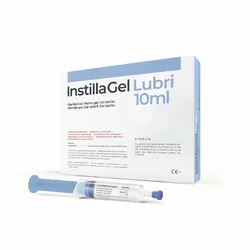
Intimate hygiene requires particular attention due to the pH-sensitive nature of mucosal tissues. Mild, pH-balanced products are recommended; routine use of antibacterial soaps is generally not necessary and may disturb the natural microbiota. If symptoms such as persistent irritation or unusual discharge occur, clinical assessment is warranted. Clear differentiation between cosmetics, medical devices and pharmaceuticals is important when selecting products for specific indications.
Deodorants and antiperspirants serve different functions: deodorants address odour, while antiperspirants reduce perspiration, commonly through aluminium salts. Alcohol-free and low-aluminium formulations tend to be better tolerated by sensitive skin. Additional product groups include hand and foot care, shaving and aftershave products, and specialised items for elderly care. Environmental considerations such as absence of microplastics, recyclable packaging and transparent ingredient sourcing are increasingly relevant for consumers.
For e-commerce taxonomy and marketing, segmenting the assortment by use-case (shower & bath, intimate care, baby hygiene, sensitive skin, hand & foot care) and by regulatory status (cosmetic vs medical device) ensures compliant product information and targeted campaigns. Relevant SEO keywords include body hygiene, personal care, intimate wash, shower gel, skin tolerance and deodorant. Pharmacists can offer tailored advice considering ongoing treatments, allergies and product interactions, supporting safe and evidence-based choices within Swiss regulatory frameworks.


