

Eye Make-up
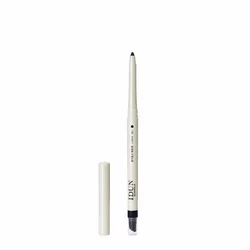
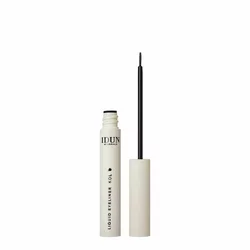


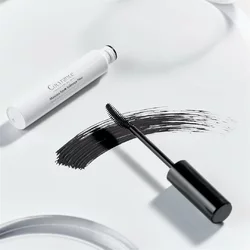
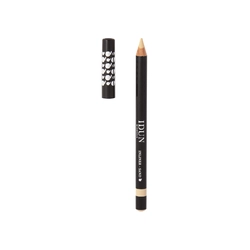
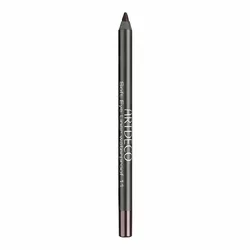
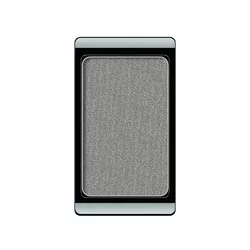
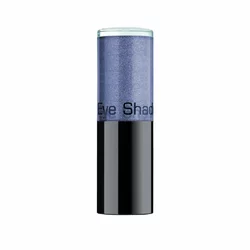
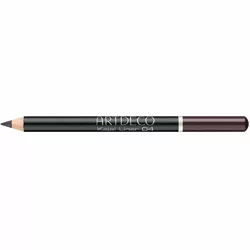
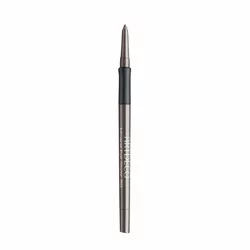
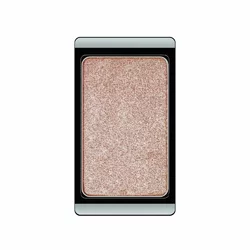

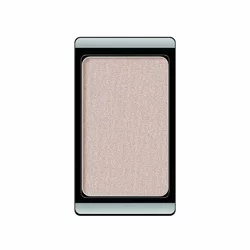
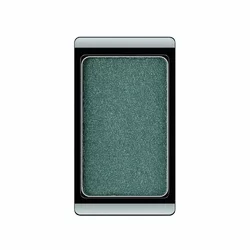
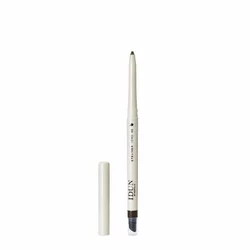
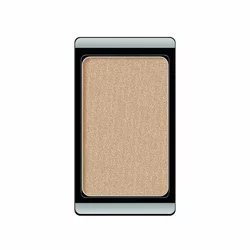
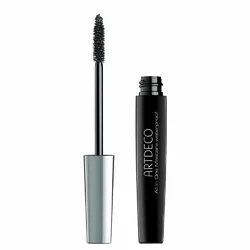
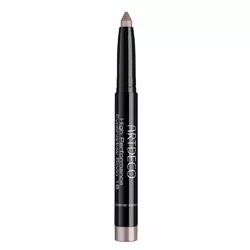
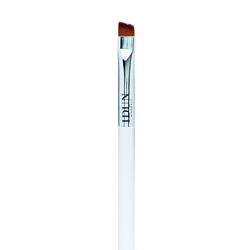
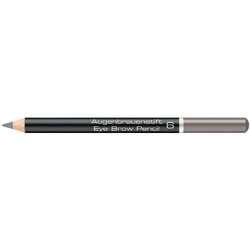
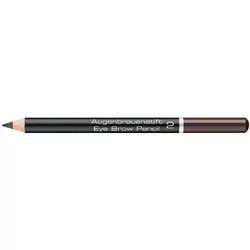
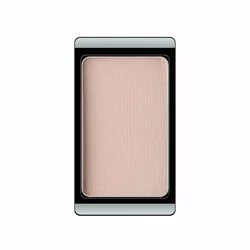
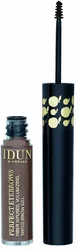
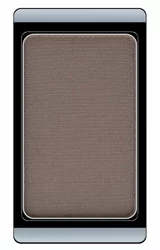
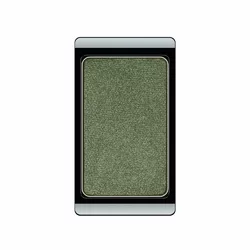
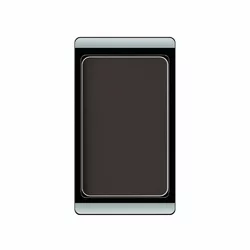
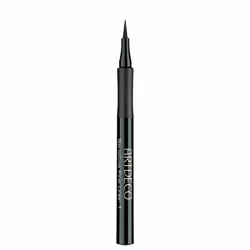
Eye make-up: safe choices for mascara, eyeliner and eyeshadow
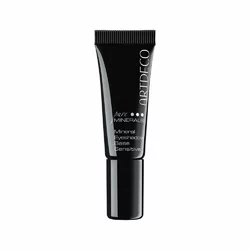
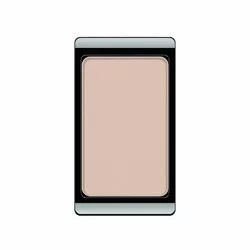
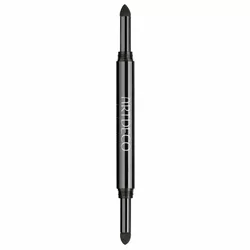
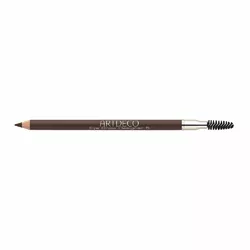
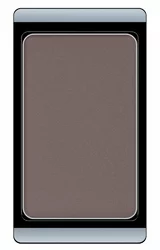
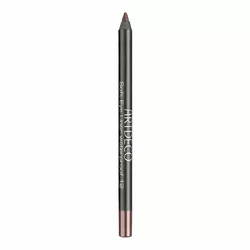
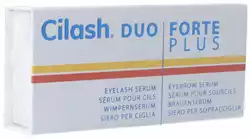
Eye make-up includes a wide range of products and textures—volumising or lengthening mascaras, liquid or pencil eyeliners, powder or cream eyeshadows, primers and removers. Choice depends on desired effect, wear time and individual sensitivity. Products labelled as hypoallergenic or ophthalmologically tested can be preferable for those with delicate skin or a history of ocular sensitivity.
Hygiene and correct handling are essential. Replace mascara every 3–6 months, clean brushes and applicators regularly and avoid sharing cosmetics. Containers should be used and stored as indicated by the manufacturer; observe the period-after-opening symbol (PAO) to ensure product safety over time. These measures reduce microbial contamination and the risk of eye irritation.
Contact lens wearers should choose formulations specifically designated as lens‑friendly and avoid direct contact between product and the eye. Waterproof make-up may require oil‑based or bi‑phase removers for gentle cleansing; aggressive rubbing should be avoided as it can damage the delicate eyelid skin and irritate the eye surface. For sensitive eyes, fragrances and certain preservatives may be best avoided.
Ingredient awareness supports informed choices: look for concise ingredient lists and indications of clinical or ophthalmological testing. In case of redness, burning or persistent discomfort after product use, discontinue application and seek professional advice. Pharmacy staff can provide guidance on selection and compatibility with topical eye medications or other products.
Practical application tips: prep the eyelid area with clean, dry skin; apply eyeliner close to the lash line but avoid inner-eye contact; use short strokes with pencils and a wiggling motion with mascara from root to tip to prevent clumping. Gentle removal at the end of the day and appropriate eyelid care support eye health while allowing the desired cosmetic result.