

Feminine Hygiene
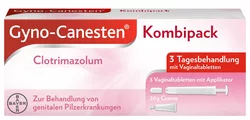


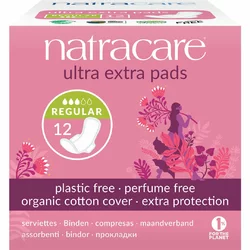

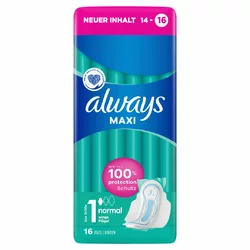
Feminine hygiene: intimate care and menstrual protection at pharmacy standard
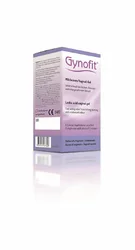
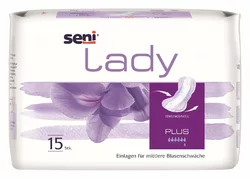
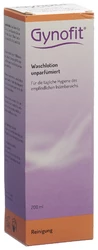
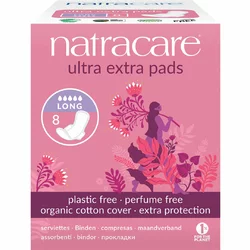
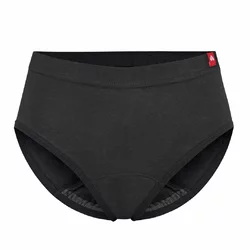
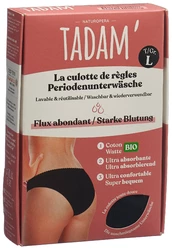
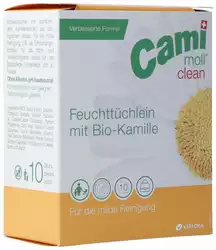
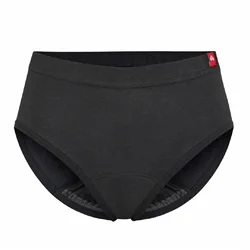
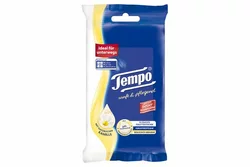
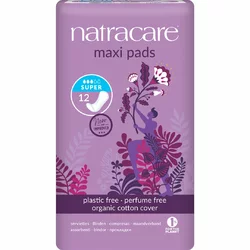
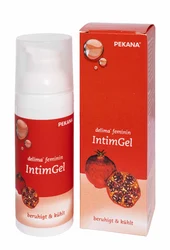
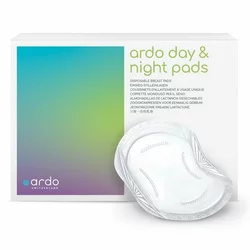
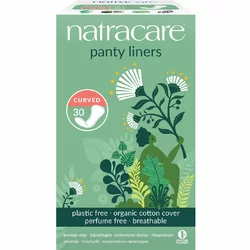
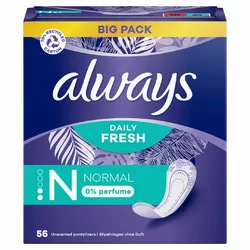
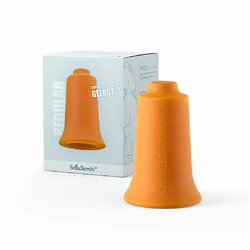
Feminine hygiene comprises a wide range of products intended for menstrual protection and external intimate care. Conventional single‑use items include pads, tampons and panty liners; sustainable options include menstrual cups, washable pads and absorbent underwear. Intimate care products such as pH‑balanced washes and fragrance‑free wipes are formulated to support the skin barrier and microbial balance when used as directed.
When selecting products, material composition and labelling are key factors. Cotton and breathable materials can reduce moisture build‑up, while fragrance‑free and dermatologically tested items are recommended for sensitive skin. Some menstrual devices, notably certain menstrual cups, may be classified under medical device regulations; checking manufacturer certifications and usage instructions is important. Tampon use requires adherence to recommended wear times to minimise risks, including the rare but serious toxic shock syndrome (TSS).
Proper hygiene and product care are crucial for safety. Reusable products must be washed and stored according to manufacturer guidance; cups require periodic sterilisation where recommended. Avoid overuse of aggressive cleansers or products with alcohol that can disturb the natural pH of the external genitals. Disposal of single‑use items should follow local waste management rules; never flush tampons or pads down the toilet to avoid plumbing issues.
Pharmacy staff can advise on the most suitable option based on flow, skin sensitivity and lifestyle. Practical considerations include change intervals, correct insertion and removal techniques, and compatibility with contraceptive devices or topical medications. Information on environmental impact, materials and regulatory conformity helps to make informed, safe choices in line with Swiss quality expectations.