

Make-up
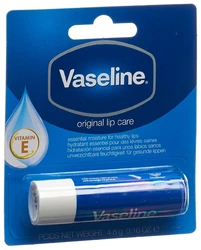
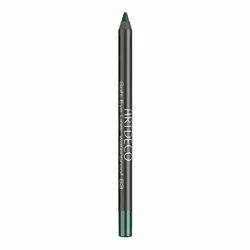
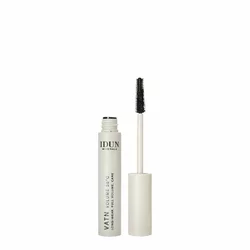
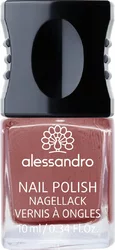
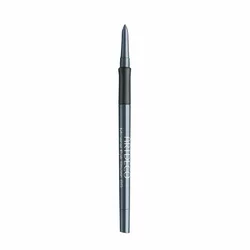

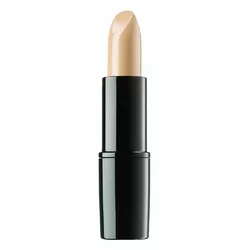
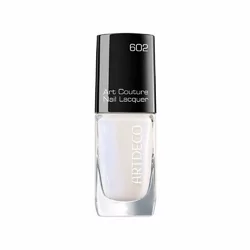
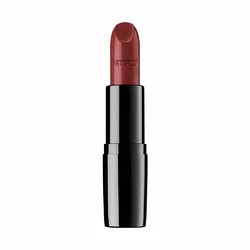
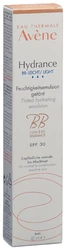
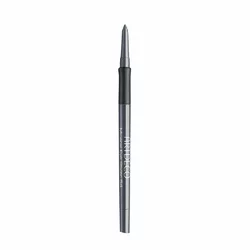
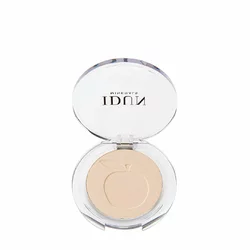
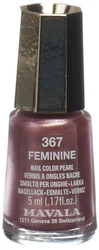
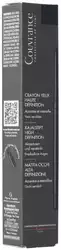


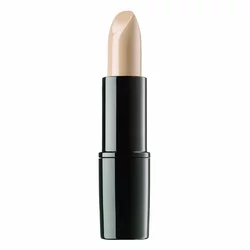
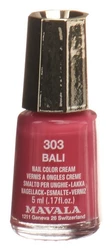

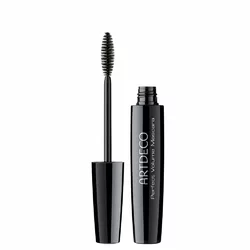
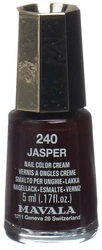
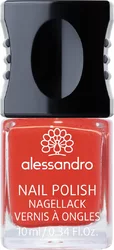
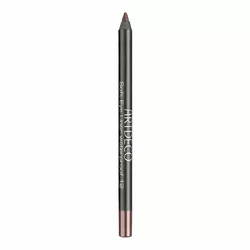
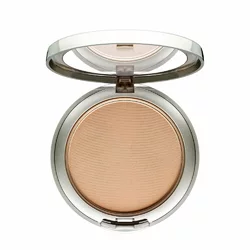
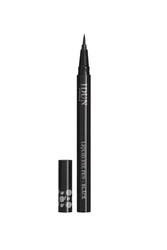
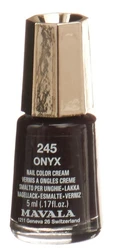
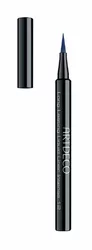
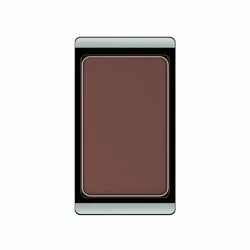
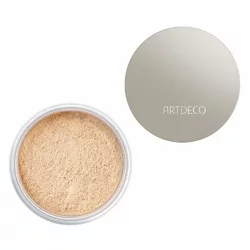
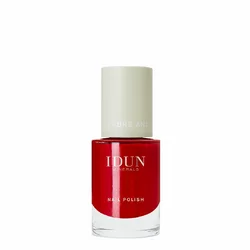
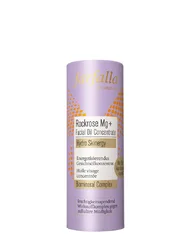
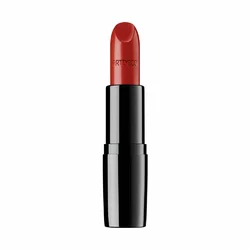
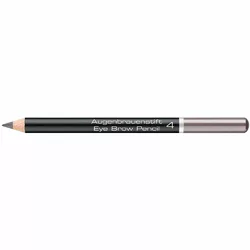
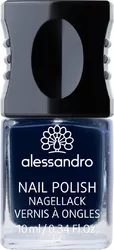
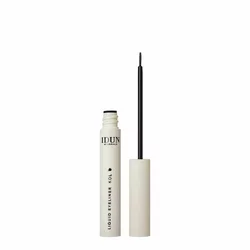
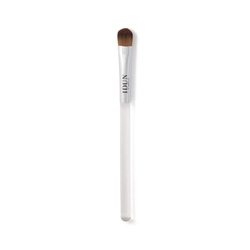
Make-up and complexion products – pharmacy-grade options for skin-friendly application
Make-up includes a broad range of cosmetic products intended to even out skin tone, highlight facial features and support skin appearance. Foundations and concealers address unevenness, powders set and mattify, while blush and bronzer add dimension. Eye products such as eyeshadow, eyeliner and mascara define the gaze, and lip formulations complete the look. When selecting products, consider coverage, finish (matte, satin, dewy), skin type and any dermatological considerations.
For sensitive or reactive skin, choose dermatologically tested, fragrance-free and non-comedogenic formulations. Water-resistant products can be advantageous for specific needs but require appropriate removal to avoid dryness or irritation. Awareness of preservatives, certain alcohols and exfoliating actives helps to prevent adverse reactions, particularly when topical medical treatments are used concurrently.
Application guidance: start with a clean, hydrated skin base and apply products in thin layers, blending thoroughly to avoid buildup. Avoid using make-up on broken or inflamed skin. Concurrent use of topical treatments (for example, retinoids or prescription agents) can change skin tolerance; consultation with pharmacy staff or a dermatologist may be warranted to adapt product choices and routines.
Storage and hygiene: observe the PAO (period after opening) indicator and discard products showing changes in smell, texture or colour. Clean brushes and applicators regularly to minimise microbial contamination. A patch test on the inner forearm for 24–48 hours is advisable for new products or reactive skin types. Pharmacies provide evidence-based information conforming to Swiss and EU standards to support safe make-up use.
Choosing the right make-up involves balancing desired aesthetic effects with skin compatibility. Pharmacy advice can guide selection of formulations that meet specific needs—such as fragrance-free or gentle textures—while ensuring compliance with applicable regulations and best practices for consumer safety.