

Body Care

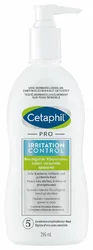


















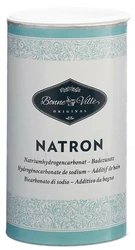




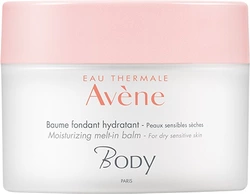











Body care – gentle cleansing, hydration and safe everyday use
Body care includes a wide range of products such as shower gels, syndets, body lotions and creams, oils, emollient balms and targeted treatments for specific skin conditions. Choosing the right product starts with assessing skin type and needs: dry skin benefits from lipid-rich and occlusive formulations, while oily or combination skin may prefer light, non-comedogenic textures.
For sensitive skin, fragrance-free and dermatologically tested options with low irritation potential are advisable. Reviewing the ingredient list (INCI) helps identify potential allergens or problematic preservatives. Performing a small patch test can provide an early indication of tolerance before full application.
Compliance and safety: in Switzerland some claims and certain active ingredients are regulated; Swissmedic and cosmetic legislation define labelling and safety obligations. Pharmacy-supplied products often adhere to stricter quality checks and pharmacists can advise on concomitant use with topical medications, safety in pregnancy or suitability for children.
Practical advice: apply moisturizers to slightly damp skin to lock in hydration; avoid very hot showers and harsh surfactants; select pH-appropriate cleansers for intimate areas. Store body care products in a cool, dry place away from direct light, respect expiry dates and the period-after-opening (PAO) indication. Replace products showing changes in smell or texture.
Sustainability and transparency are increasingly relevant: prioritize recyclable packaging and manufacturers that disclose ingredient sourcing. Natural origin does not automatically mean better tolerability; efficacy and safety should be assessed based on scientific evidence and independent testing.
In summary, body care supports hygiene, skin barrier maintenance and comfort. Informed selection, adherence to usage instructions and professional advice when needed ensure safe, effective daily care while respecting Swiss regulatory frameworks.


