
Wishlist

Facial Care

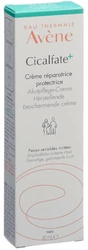
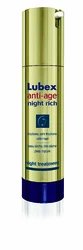
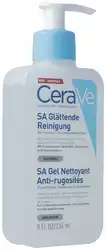
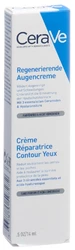
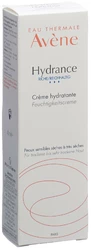
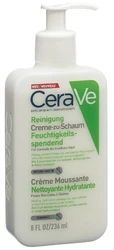
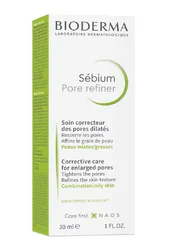
Facial care comprises cleansing, hydrating and protective products formulated to support the skin barrier and cosmetic needs without making therapeutic claims. Pharmacy-grade selections prioritise proven ingredients such as hyaluronic acid, ceramides and gentle surfactants to promote tolerability and safety. Appropriate facial care reduces discomfort from dryness, sensitivity or imbalance and supports overall skin function. This category addresses diverse needs—sensitive skin, combination skin, anti‑age concerns or hydration deficits—while providing guidance on ingredient selection, application order and compatibility with prescription topicals. Recommendations follow evidence-based principles and Swiss regulatory considerations. For specific medical conditions or when combining with prescription treatments, consultation with a pharmacist or dermatologist is advised to ensure safety and optimal results.
How to achieve a radiant complexion
Facial cleansing is more than just water and soap. It is the foundation of every skincare routine and determines how radiant, healthy and even our skin looks. Whether environmental dirt, makeup or excess sebum – failing to cleanse properly risks impurities, irritation and a dull complexion. But which cleansing methods and products suit your individual skin needs best?
Facial care tools
Enjoy your own beauty studio at home
Facial care
So you feel even more beautiful

Facial care with pharmacy-grade quality – cleansers, moisturizers and targeted treatments

Facial care includes cleansers, serums, moisturizers and sunscreens. Selecting the right product depends on skin type and concern: dry skin benefits from richer lipid-based formulations, oily skin performs better with lightweight, non-comedogenic textures. Gentle surfactants maintain the skin's protective film, avoiding unnecessary irritation and transepidermal water loss.

Key actives commonly used in facial care include hyaluronic acid for hydration, ceramides to reinforce the skin barrier, niacinamide to soothe redness and regulate sebum, and topical antioxidants (vitamin C, vitamin E) to mitigate oxidative stress. Topical retinoids are effective for signs of ageing but require professional guidance due to potential irritation and photosensitivity.

Optimal application order enhances product performance: cleanse, optionally tone, apply targeted serum, follow with moisturizer and finish with broad-spectrum sunscreen during daytime. When combining cosmetic products with prescription topical medications (for example topical corticosteroids or retinoids), assess compatibility to reduce irritation risk. A patch test can help detect sensitivities before full application.

Storage and hygiene affect product safety: prefer airless packaging over open jars, observe expiry dates and avoid contamination by using clean hands or applicators. Pharmacists can advise on suitable formulations that comply with Swiss regulatory standards and recommend seasonal adjustments—richer care in winter and lighter textures plus higher UV protection in summer.

What are the basic products for a daily facial routine?
How to choose a moisturizer for sensitive skin?
Are serums necessary for everyone?
When should sunscreen be used in a facial routine?
Can cosmetics be used alongside prescription topical treatments?
How to manage dry facial skin?
Are natural products always safer for the face?
What to do in case of a skin reaction to a product?
How should facial care products be stored?
Do topical antioxidants work?