

Sun Protection
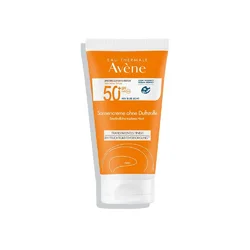
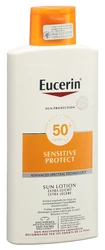


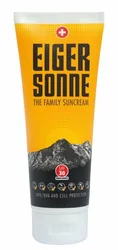
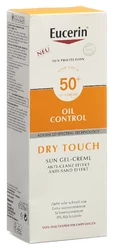

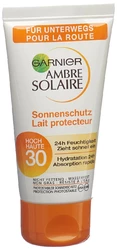
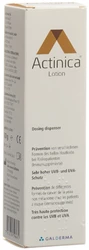
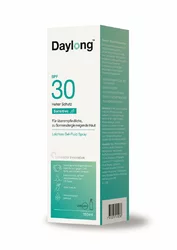
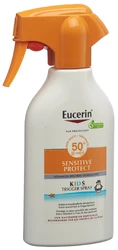
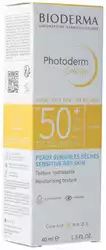
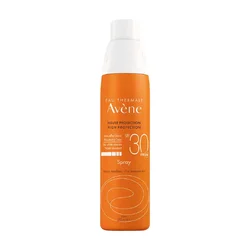
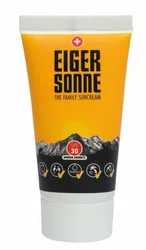
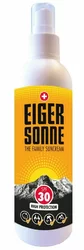
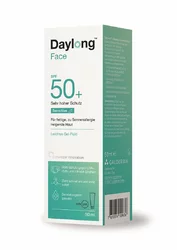
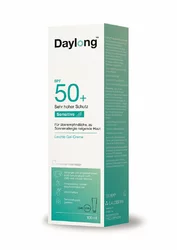
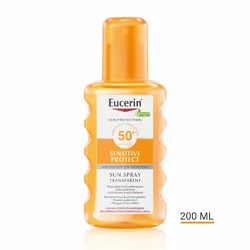
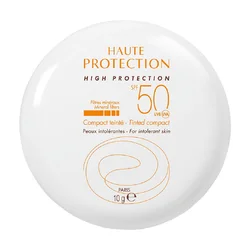
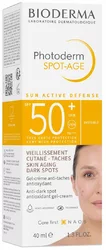
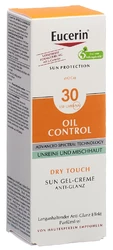
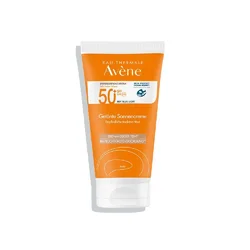
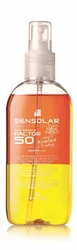
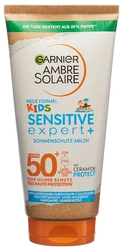
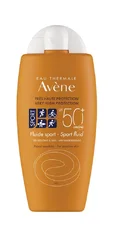
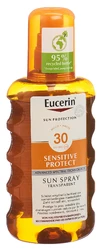
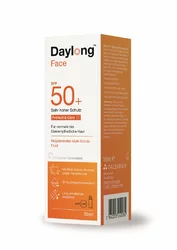
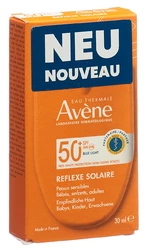
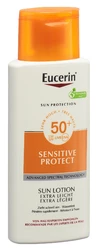
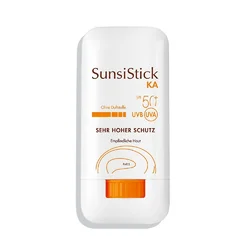
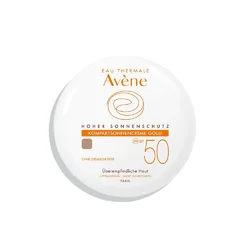
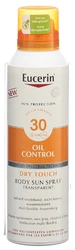
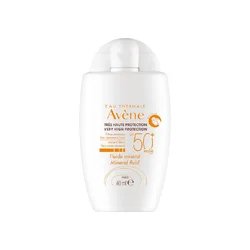
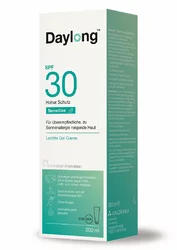
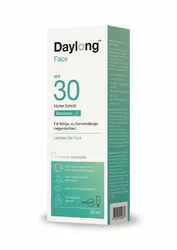
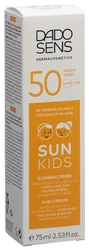
Sun protection: certified UV solutions, application guidance and safety
Effective sun protection is a key element of daily skin care and UV risk reduction. SPF (Sun Protection Factor) quantifies protection against UVB, the rays primarily responsible for sunburn. UVA protection is equally important because UVA penetrates deeper into the skin and contributes to long-term changes. In Switzerland, labels conforming to European standards (including the UVA circle symbol) help consumers compare products.
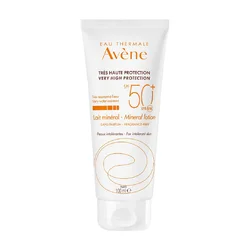
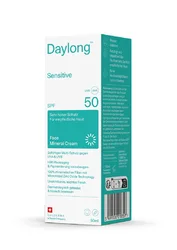
There are two main filter categories: mineral (physical) filters such as zinc oxide and titanium dioxide, which reflect or scatter UV radiation, and chemical filters that absorb UV and dissipate it as heat. Mineral formulations are often recommended for sensitive skin and children due to a lower irritation profile, while chemical filters can offer lighter textures and reduced whitening. Choice depends on skin type, activity (water sports, everyday use), and personal preference.
Proper application is essential for performance: apply a sufficient amount roughly 20–30 minutes before exposure and reapply every two hours, or after swimming, sweating or towel drying. Typical application amounts are around 2 mg/cm2; many users apply substantially less, reducing the stated protection. Complement sunscreen with protective clothing, wide-brimmed hats and UV-blocking sunglasses, especially during peak sun hours and at high altitude.
Precautions are needed for infants (avoid direct sun), for individuals on photosensitising medication and for pregnant or breastfeeding people seeking suitable formulations. Storage (cool, out of direct sunlight), adherence to expiry dates and correct disposal of packaging preserve product integrity. Pharmacies offer certified products, skin-type advice and information on potential drug interactions, in line with Swiss regulations such as Swissmedic references and European labelling conventions.
Combining appropriate sunscreen selection with behavioural measures delivers a balanced, practical approach to daily UV protection while respecting safety and skin tolerability considerations.


