

Sports Nutrition






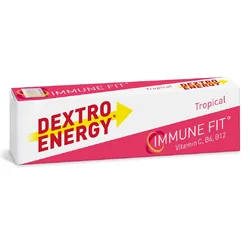

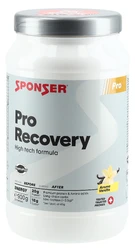
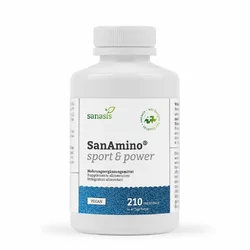
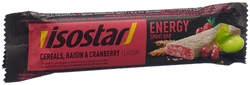
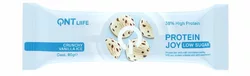
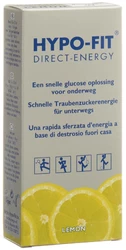
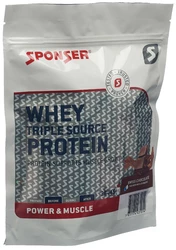

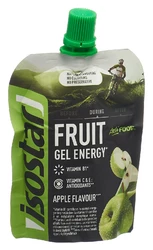
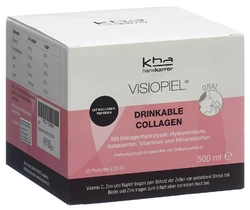
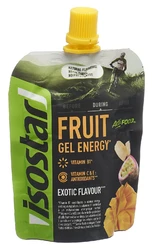
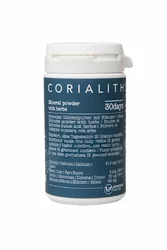
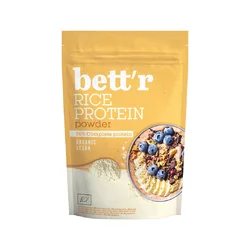

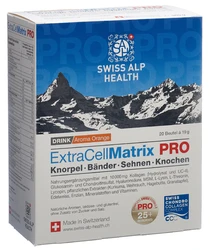
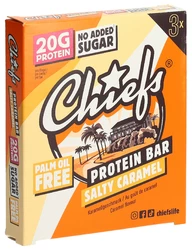
Sports Nutrition: protein, energy and recovery with pharmacy-grade standards
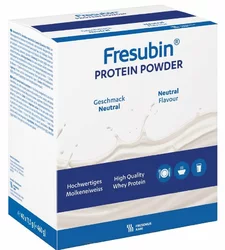
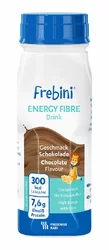
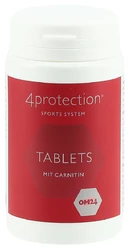
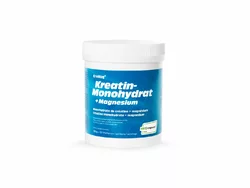
Sports nutrition complements a balanced diet according to training demands. Key product groups are protein supplements (whey, casein, plant proteins), carbohydrate drinks and gels for fueling, electrolyte and rehydration solutions, amino acids such as BCAAs, creatine for strength support and vitamin/mineral supplements for targeted needs.
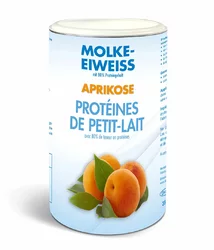
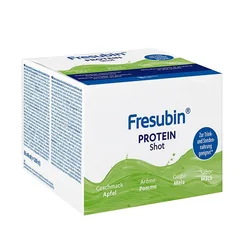
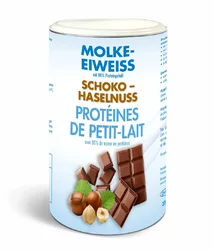
Proteins contribute to muscle repair and maintenance. Choosing the right protein product means checking protein content per serving, protein source, digestibility and added ingredients such as sugars or flavourings. Pharmacy-sourced products often provide stricter quality assurance and transparent labelling.
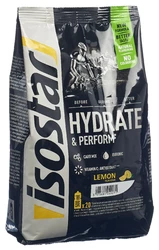
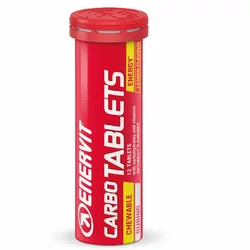
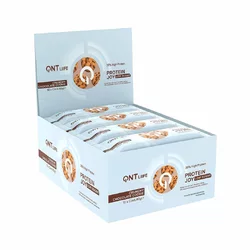
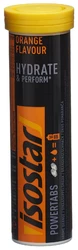
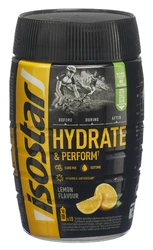
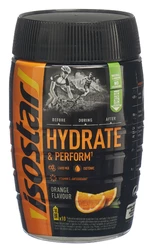
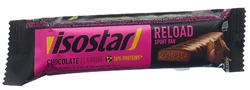
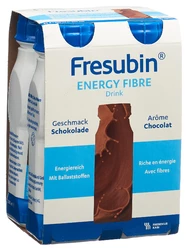
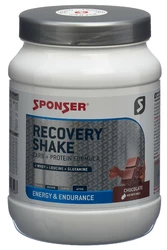
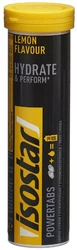
For endurance activities, carbohydrates and electrolytes are important to sustain performance and prevent dehydration. Isotonic drinks, gels and energy bars can be used during prolonged exercise. After training, combined carbohydrate–protein formulations can assist recovery by supporting glycogen replenishment and muscle repair.
Safety considerations include potential interactions with prescription medications, increased intake of stimulants like caffeine, allergen exposure and product purity. Athletes subject to anti-doping rules should avoid unverified supplements. Swiss pharmacy standards and relevant regulatory frameworks offer additional safeguards.
Practical advice: time nutrient intake relative to workouts (before, during, after), respect recommended serving sizes, maintain adequate fluid and salt balance, and prioritise products with clear ingredient provenance. For tailored strategies, pharmacy counselling or referral to a registered dietitian ensures individualised and safe planning.


