

General Nutrition















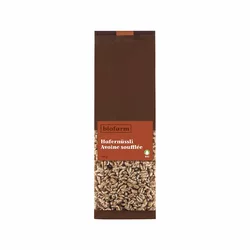
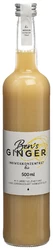
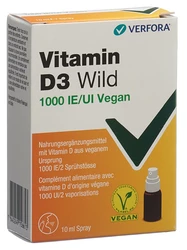



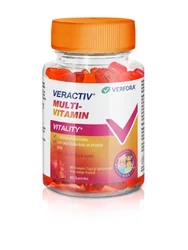








General Nutrition: core principles, practical tips and safe product choices
General Nutrition addresses the foundational aspects of a healthy diet and practical measures for daily life. Macronutrients — carbohydrates, proteins and fats — supply energy and structural components. Micronutrients — vitamins and minerals — support metabolism and physiological functions. Dietary fibre contributes to gut health. Emphasising variety, seasonal produce and minimally processed foods helps achieve nutrient adequacy without reliance on supplements.
Dietary supplements can be useful in defined situations, for example vitamin D in low-sun seasons or iron in case of deficiency. In Switzerland, food and supplements are regulated under food law, while products that make medicinal claims fall under Swissmedic oversight. Consumers should check product labelling, dosage instructions and conformity to Swiss requirements before purchase. Clear information about origin and quality control is a plus when evaluating products.
Different population groups have distinct needs: pregnant or breastfeeding persons, older adults, athletes and those following restrictive diets may require targeted adjustments. Professional assessment allows tailored advice on nutrient intake or the need for supplementation. For people with allergies or intolerances, careful label reading is essential to identify declared allergens and additives.
Practical tips include planning meals with a mix of whole grains, lean proteins and plant-based sources, eating a variety of fruits and vegetables, and choosing minimally processed options. Storage matters: keep perishable foods cool and store supplements away from moisture and heat. Follow recommended daily doses for supplements and avoid combining multiple products without consulting a health professional, particularly when taking medicines.
For e‑commerce and product taxonomy, classify items under Health & Vitality > General Nutrition with filters for nutrient type, target group and regulatory status. This supports compliant product descriptions, accurate filtering and targeted campaigns. Useful SEO terms include balanced diet, vitamins, minerals, dietary supplements, nutrition tips and food labelling. Content should be clear, locally adapted to Swiss audiences and consistent with national labelling and advertising rules.


