Artichoke
More energy thanks to Mediterranean plant power
editorial.overview
Which active compounds make the artichoke so healthy?
The artichoke contains a variety of beneficial active compounds that are especially important for the liver, bile and digestion. The most notable include:
Cynarin promotes fat digestion. Flavonoids have antioxidant and anti‑inflammatory properties. Bitter compounds support digestion, stimulate appetite and help with feelings of fullness. Inulin has a positive effect on the gut flora and can help stabilise blood sugar. Caffeic acid derivatives contribute to liver detoxification and cellular protection.
This combination makes the artichoke a natural all‑rounder for health.

How does artichoke support digestion and metabolism?
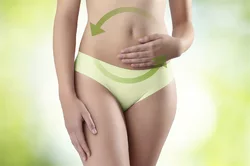
Its bitter plant compounds, primarily cynarin, stimulate the production of bile – this is particularly helpful for the digestion of fatty meals. More bile means fats can be broken down and utilised more effectively, which in turn can relieve fullness, bloating and nausea.
In addition, the bitter compounds of the artichoke stimulate appetite and promote the production of digestive juices, resulting in more active digestion overall. At the same time, artichoke has a liver‑relieving effect and can improve metabolic processes – a healthy liver is crucial for detoxification and energy supply in the body.
Overall, artichoke helps the body feel lighter, more active and generally better.
What role does artichoke play in lowering cholesterol?
Components of the artichoke protect the liver, promote detoxification and ensure that cholesterol is eliminated more effectively and less new cholesterol is produced. This lowers cholesterol levels and helps prevent deposits in the arteries.
For which complaints is artichoke leaf extract used?
Artichoke leaf extract is pharmaceutically recognised for the treatment of dyspeptic complaints such as irritable stomach, heartburn, feelings of fullness, gastric pressure, bloating, nausea and vomiting, particularly after fatty meals.
Can artichoke help with weight loss?
Artichoke can support weight loss – but not as a miracle cure; rather as a valuable complement to a balanced diet and an active lifestyle.
The bitter constituents have an appetite‑suppressing effect because their taste stimuli increase saliva flow and digestive juices, signalling to the brain: “I’m full.” Especially with strong cravings for fatty or sweet foods, artichoke can help maintain control.
Artichokes contain fibre that can slow the absorption of sugar from food. A stable blood sugar level prevents large insulin spikes – often triggers for cravings and promoters of fat storage. By helping to stabilise blood sugar, artichoke can therefore indirectly help to save calories.
Artichoke can play a sensible role in weight loss – particularly regarding better digestion, detoxification, appetite control and metabolic stimulation. It does not replace a healthy diet or exercise, but supports feeling lighter and more vital – and that can be a real motivational boost on the way to a comfortable weight.
Tips for using artichoke: how to make the most of this powerhouse plant
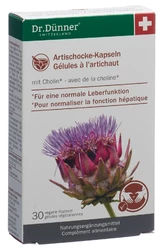
- You can buy artichoke leaves dried and chopped for artichoke tea, as artichoke capsules/tablets/dragees, as dry extract, as fresh plant press juice or as aqueous extracts. Follow the package leaflet. The recommended daily dose is generally 3–6 g.
- For best effect, take artichoke extract for at least 6 weeks. To lower cholesterol and to support the regeneration of a diseased liver, the extract can be taken long‑term.
- Split the daily dose into at least 2 portions and take the product 15 to 30 minutes before meals with a glass of water.
- For an irritable stomach and for liver protection, the fresh plant press juice from the unopened flower buds is particularly suitable.
- For an artichoke tea, use one teaspoon of cut leaves and pour hot water over them. Wait ten minutes, strain the herb and drink one cup before meals.
- To protect and regenerate liver cells, prepare an artichoke tea with the relevant liver herbs. Mix equal parts artichoke leaves, milk thistle seeds, yarrow, fennel seeds, licorice root and peppermint leaves, grind the mixture, pour one cup (150–200 ml) of hot water per teaspoon and wait 7 minutes. Drink 2–3 cups daily.
- Cooked artichokes are nowhere near as therapeutic as artichoke leaf extract, but they do contain a high amount of soluble fibre. If one regularly eats the heart and the fleshy part of the cooked leaves as a side dish while also following a balanced diet and exercising a lot, weight loss can be achieved successfully.
- Avoid artichoke extracts if you are allergic to artichoke or other Asteraceae, or if you have gallstones or an obstruction of the bile ducts. The same applies to pregnant women, breastfeeding mothers and children under twelve years, as there are no sufficient safety studies.
Try the healing power of artichoke yourself to protect your liver and promote your digestion!