Blood
This fluid is life
What is blood made of?
Blood, described by scientists as a liquid organ, consists of blood plasma and cellular components, including red and white blood cells as well as platelets. These blood cells originate in the bone marrow, where hematopoietic stem cells produce red and white blood cells and platelets. After maturation they enter the bloodstream and perform specific functions such as transporting oxygen and nutrients, defending against pathogens, clotting blood and regulating body temperature.
Red blood cells, or erythrocytes, are responsible for carrying oxygen from the lungs to the tissues and returning carbon dioxide to the lungs. They contain the protein haemoglobin, which binds oxygen and carries it throughout the body. The human body contains roughly 25 trillion red blood cells, renewed every 120 days.
The name erythrocyte comes from Greek and means "red cell", because they give blood its red colour. Erythrocytes are disc-shaped and can deform substantially to pass through narrow blood vessels. After about 100 to 120 days they are broken down in the spleen. Stress, heavy smoking or diseases such as diabetes can reduce erythrocyte deformability, leading to circulation problems and tissue damage.
Unlike red blood cells, white blood cells are found not only in the blood but also in tissues. These colourless blood cells are therefore called leukocytes (Greek "leukos" meaning "white") because, when separated from other blood cells, they form a white paste. They act as the body's sentinels by recognising and fighting bacteria, viruses and other invaders.
Leukocytes are part of the immune system and have various roles, including antibody production by B lymphocytes. There are three major subgroups of white blood cells: granulocytes, which become active during infections or inflammation; monocytes or macrophages, which engulf pathogens and dead cells; and lymphocytes, which regulate the immune response and form memory cells to remember past infections.
Platelets (thrombocytes) play a crucial role in wound healing and are essential for blood clotting. In an adult more than a trillion platelets circulate and are replaced every seven to twelve days by newly formed platelets. Platelets are disc-shaped like erythrocytes and help keep blood inside the vessels. They clump immediately to stop bleeding when a vessel is even slightly injured. A platelet accumulation is called a thrombus and must not become too large, as it can block vessels.
Blood plasma, which makes up about 55% of blood, consists mainly of water (90%) and contains important nutrients, hormones and proteins. Among these proteins, antibodies, clotting factors and albumin are particularly important. Antibodies help defend against pathogens, clotting factors stop bleeding and albumin regulates fluid balance and transports metabolic products.
Without plasma the formed blood elements could not be transported through the body, as it constitutes the liquid part of blood. Plasma delivers nutrient building blocks such as glucose and blood lipids to cells throughout the body, where they serve as energy sources and structural materials. Similarly, minerals, vitamins and hormones are distributed with the help of plasma. It also transports many metabolic waste products such as carbon dioxide to the excretory organs — lungs, liver and kidneys — for elimination. Plasma also helps regulate heat transport in the body.



What functions does blood have?
The most important functions of blood therefore include substance transport, defence against pathogens, wound closure and heat distribution.
Blood circulates through a complex loop that supports vital functions. In the pulmonary alveoli, red blood cells take up oxygen and carry it to the cells where it serves as an energy source. At the same time carbon dioxide is produced, carried back to the lungs and exhaled. As blood passes through the intestine, digested nutrients are absorbed. Simultaneously toxic waste products are transported to the liver and kidneys for breakdown. In this way blood supplies nutrients and removes harmful substances to ensure survival.
To stay healthy our body needs a defence system that protects us from various pathogens. White blood cells play an important role in this.
Platelets and certain proteins in plasma, the clotting factors, play a decisive role in the protection of the body against blood loss in small injuries. When a blood vessel is injured, platelets adhere to the wound and form a temporary plug to stop bleeding. At the same time clotting factors in plasma trigger a reaction chain that leads to further platelet accumulation and seals the wound by forming fibrin, a fibrous protein. This wound closure protects against infections and allows the actual healing process to begin.
The human body temperature is regulated at around 37°C. Blood transports heat to the organs and releases excess heat through dilated vessels in the skin where it is dissipated. If needed, heat loss is increased by sweating. Blood flow speed plays an important role: in cold conditions vessels constrict, causing blood to flow faster in the depths and reducing heat loss. When ambient temperature is high, vessels dilate, blood flows more slowly and releases more heat. Blood also regulates the acid-base balance and maintains electrolyte balance.
How much blood does a person have?
The amount of blood in the body varies depending on a person's weight and size. A 70-kilogram adult typically has about four to six litres of blood, which is roughly six to eight percent of total body weight.
Why is blood red?
About 90% of the composition of red blood cells is haemoglobin. This molecule gives blood its characteristic red colour because of its high iron content. For this reason haemoglobin is also referred to as the red blood pigment.
What are blood diseases?
An impaired immune defence can occur when too few white blood cells are present or they do not function properly, allowing pathogens to multiply more easily. A reduction in platelets can lead to bleeding, particularly in mucous membranes. Anaemia, also called blood deficiency, can occur when red blood cells are reduced or dysfunctional, manifesting in symptoms such as fatigue, weakness and decreased performance. Causes of anaemia can include stem cell disorders or a deficiency in folic acid, vitamin B12 or iron. Congenital or acquired clotting disorders can lead to an increased tendency to bleed, as in haemophilia. This condition may be a reason wounds do not close properly. Leukaemia, also called blood cancer, is a serious disease of the blood-forming system in which incompletely developed white blood cells multiply rapidly and uncontrollably in the blood and can localise in various organs.
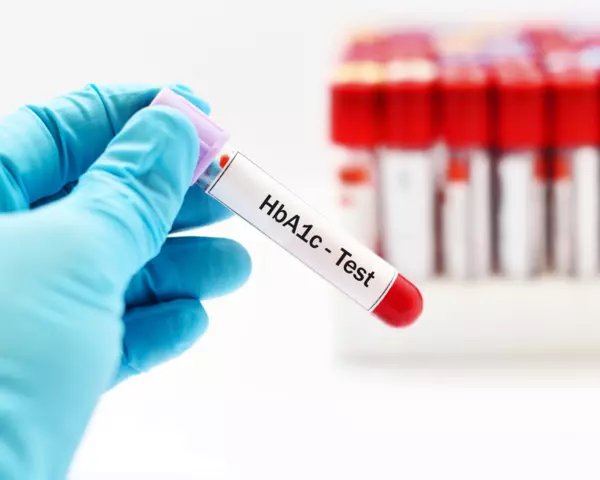
Blood tests reflect important body functions, including oxygen supply to the organs and immune system function. Deviations from normal blood values can indicate conditions such as hyperthyroidism or diabetes, but by themselves they only serve as an indication for diagnosis. In addition to blood values, the physician also considers the patient's medical history and symptoms before making a final diagnosis. If necessary, further investigations are carried out to ensure an accurate diagnosis.
Which blood values are elevated in cancer?
Analysis of blood components can indicate cancers, for example a decreased number of red blood cells and platelets that may point to leukaemia. Certain blood markers, so-called tumour markers, can indicate particular cancers. Although often imprecise for initial diagnosis, tumour markers are frequently used to monitor disease progression or therapy. For example, a rise in the carcinoembryonic antigen (CEA) in blood often signals recurrence of colorectal cancer. Other markers such as prostate-specific antigen (PSA) can indicate prostate cancer, but their use in screening is controversial and not universally covered by health insurers.
How to improve blood values: the main tips
- In general you should drink at least 1.5 litres of water daily, preferably as water, unsweetened herbal teas or diluted fruit juices. Avoid drinks high in sugar. Blood fluidity improves only with adequate fluid intake.
- Recent research shows that certain substances in the gel surrounding tomato seeds can promote normal platelet aggregation, contributing to healthy blood flow. The positive effect of tomato extract on blood flow even surpasses conventional anticoagulants such as acetylsalicylic acid in several respects. Unlike chemical anticoagulants, no adverse effects have been observed so far with tomato extract and normal clotting function is not impaired. Therefore tomato extract is particularly suitable for people under high stress, those with type 2 diabetes, older individuals or those with a genetic predisposition to thrombosis.
- Vitamin B6, vitamin B12 and folic acid help lower homocysteine levels in the blood. Homocysteine is produced by the breakdown of certain proteins and can damage vessel walls, promoting deposition of so-called "bad" cholesterol (LDL).
- Make use of vitamin K. Our body has 13 different clotting factors and other substances involved in coagulation, called cofactors and inhibitors. Most of these factors are produced in the liver. The liver requires vitamin K to produce certain clotting factors.
- An overall balanced diet rich in vegetables, whole grains, quality oils and low in sugar can help improve laboratory values.
- If the diet is monotonous and lacks iron-rich foods, the body's iron stores may decline. This can lead to iron deficiency that cannot be corrected by diet alone. Iron from animal sources is most efficiently absorbed by the human body and also enhances absorption of plant-based iron when eaten together.
- Besides the iron content of foods, meal composition plays an important role in optimal iron uptake. Certain substances can inhibit iron absorption, e.g. tannins (in tea and coffee), oxalic acid (in some vegetables), phytic acid (in grains), alginates (in pudding powders) and lactates (in milk and dairy products). In combination with vitamin C, however, iron is absorbed more rapidly.
- Red wine or fresh red grapes contain blood-pressure-regulating, anti-inflammatory and antioxidant phytochemicals. In this way they can help protect your vessels and heart. You can also add red grapes and berries more often to your diet to limit alcohol consumption. Of course, the best option is to avoid alcohol altogether.
- Avoid added sugars in foods and reduce simple carbohydrates to help improve blood sugar values. Complex carbohydrates, such as those in whole grains, oats, legumes or vegetables, cause a slower rise in blood sugar, helping to avoid spikes.
- For healthy blood lipid values it is advisable to eat the right fats, such as unsaturated fatty acids from nuts, avocados and fatty fish. Saturated fats from animal products should be reduced.
- Regular physical activity can help improve overall health. This can also have positive effects on a range of laboratory values.
- Avoid stress as much as possible. Learn relaxation techniques. Take regular breaks and get enough sleep. This benefits your lab results.
Blood is the life fluid of our body. From oxygen supply to defence against pathogens, blood plays a central role in our organism. Ultimately it is our responsibility to care for our blood and thus our health, so we can lead an active and fulfilling life.