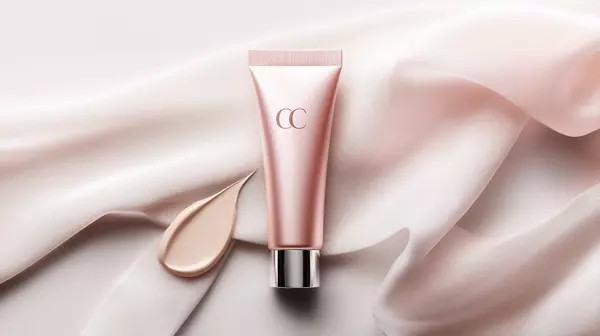
Concealer
The magic stick for a maximally fresh look
editorial.overview
What is a concealer?
A concealer is much more than just a simple make‑up item – it’s the small helper for big effects. Its name comes from the English verb “to conceal”, which means “to hide” or “to cover” – and that is exactly what it does.
Thanks to its high coverage, it can make dark circles, redness, fine lines, unevenness or blemishes almost vanish like magic. Unlike foundation, concealer is used spot‑wise and works exactly where it’s needed: for a more awake look, an even tone and that certain radiance that makes us look fresh and well groomed. Its targeted coverage makes it an indispensable part of any make‑up routine. Many modern concealers also combine coverage with skin‑care ingredients to pamper the skin at the same time.
What textures and forms are concealers available in?
Depending on texture and form, a concealer can deliver very different effects. Liquid, creamy, stick or even powder – the variety is large and allows you to find the right product for your skin type and the effects you want.
Liquid concealers are particularly popular with dry skin because they distribute gently without drying out the skin – often with the help of a soft applicator for precise application. If you prefer stronger coverage, opt for creamy formulas that blend well with the skin and work reliably on combination skin. Concealer sticks, also called cover sticks, are handy for on‑the‑go touchups since they allow precise application – perfect for quick corrections.
What is the difference between foundation and concealer?
Both foundation and concealer aim to create an even complexion, but they play different roles in the beauty routine. Foundation is applied broadly and evens out the overall skin tone. The concealer is a specialist for details. It is applied selectively to problem areas like dark circles or redness and offers particularly high coverage there.
There are also differences in colour choice. While the foundation should match the natural tone of your skin, the concealer can, depending on its use, be slightly lighter or darker to emphasise or downplay certain areas. Together, both products create a fresh, even complexion or, if desired, a very natural look with only a few targeted corrections.
Can concealer be applied all over the face?
Although concealer is a true multi‑tasker, it is not intended for the whole face. Its highly pigmented formula provides strong coverage and is ideal for spot correction. Used extensively like a foundation, however, the result can quickly look unnatural or patchy.
Which concealer helps with dark circles?
Dark circles often make us look tired and worn‑out. With the right concealer, you can instantly create a more awake look. Choosing the right shade is crucial. A concealer that is one to two shades lighter than your skin tone brightens the eye area visually and makes small shadows disappear. It’s even more effective to use colour‑correcting tones first (e.g. apricot or peach) to neutralise dark discoloration. Follow with a natural‑toned concealer for a seamless finish.
Texture also matters. For younger skin, a light, slightly powdery concealer is suitable, while mature skin benefits from liquid textures with light‑reflecting pigments that soften fine lines and add a fresh glow.
Which concealer helps with redness, pimples and acne?
There are concealers designed specifically to address skin issues. Green colour‑correcting concealers are particularly effective. Green is the complementary colour to red, which is why green‑tinted pigments visually neutralise red areas such as pimples, inflamed skin or broken capillaries.
These specialised concealers are applied thinly to the affected areas, gently blended and then covered with foundation. This creates an even complexion without the redness showing through.
For single pimples, scars or stubborn blemishes, it’s advisable to use an additional skin‑toned concealer with high coverage. If you want to hide spots like pigmentation changes or freckles, a pink‑toned concealer can be used, which suits fair skin types in particular.
Which concealer colours suit my skin tone?
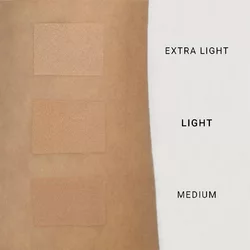
Choosing the right concealer shade is almost as important as choosing the product itself, because only the right tone produces a naturally fresh result. A concealer should hide irregularities, not emphasise them. For that, it must match both the skin tone and the undertone – and that’s the art.
Start by determining your overall complexion (light, medium or dark) and your undertone (cool, warm or neutral). A simple look at the veins on your wrist helps: if they appear rather bluish, you have a cool undertone. A greenish tinge suggests a warm undertone. If the colour is hard to classify, it’s usually a neutral undertone. Many concealers are now labelled with undertone guidance to make selection easier.
In addition to classic skin‑toned concealers, there are colour‑correcting options. Yellow concealer helps against bluish dark circles, green concealer balances redness and purple concealer makes sallow skin appear fresher.
Flawless complexion made easy: how to apply concealer correctly
- Pay attention to your undertone. Whether cool, warm or neutral – your undertone helps determine whether a concealer will harmonise. Check it against the veins on your wrist and choose the concealer shade accordingly – this ensures a natural finish.
- Use concealer palettes for more flexibility. Multiple shades in one palette allow you to address different skin needs – for example neutralise redness with green or cancel out purple dark circles with yellow. Also ideal for contouring.
- Apply concealer under the eyes in a triangular shape. Instead of a crescent, opt for a downward‑pointing triangle from the inner eye corner to the cheek. This visually lifts facial features and creates a fresher, more awake appearance.
- Use a skin‑matched concealer for pimples. Cover pimples and blemishes best with a concealer matching your skin tone – not lighter. Otherwise you may unintentionally highlight the spot.
- Blend gently – tap rather than rub. Use your fingertips, a brush or a damp sponge to gently press the concealer in. This avoids visible transitions and yields an even skin appearance.
- Apply concealer after foundation – with exceptions. Regular brightening concealers work best after foundation. Coloured corrector concealers, however, should always be used before, so they can neutralise beneath make‑up.
- Use concealer to set highlights. A slightly lighter concealer is perfect for adding points of light – e.g. in the inner eye corner, under the brow or along the nose bridge. This makes the face look more defined and fresher.
- Set concealer with powder or spray. To keep the look lasting all day, gently blot any excess product and set with a translucent powder or a setting spray.
- For dry skin, choose moisturising products. Look for ingredients like hyaluronic acid or vitamin C to prevent dehydration lines. Creamy, rich textures are preferable to matte finishes here.
- Avoid heavy, powdery products on mature skin. Compact or powdery concealers can settle into fine lines. Opt instead for liquid, light‑reflecting textures that smooth the skin and give a gentle glow.
- Use concealer also as an eyeshadow primer. Apply a thin layer to the mobile lid before eyeshadow – this intensifies colour pay‑off and prolongs eye make‑up wear.
- Apply a little concealer to the lip contours, especially in the centre above and below the lip. This lifts the contour visually – combined with lipstick the mouth appears fuller.
- Draw a fine line of concealer under and above the outer brow arch. This makes brows look cleaner and the eye area brighter – ideal for tired eyes.
- Choose care suited to your skin type. Oily skin benefits from a mattifying concealer, while combination skin needs balanced products. Use mattifying formulas in the T‑zone and hydrating ones under the eyes to prevent shine and drying out at the same time.
- Use as little product as possible – less is more. Prefer two thin layers to one thick one. This looks more natural, avoids the so‑called "mask effect" and gives a fresh complexion without visible product residue.
Concealer is a true everyday multi‑tasker – it not only covers small flaws but also brings freshness and radiance to the face. With the right shade and application you can visibly even out the complexion and conceal minor irregularities without looking mask‑like. Whether for dark circles, redness or as a highlight – the right concealer belongs in every make‑up bag.