

Constipation
When you need to get things moving
What is constipation?
Constipation (medically: obstipation) describes a delayed or difficult bowel evacuation, usually accompanied by infrequent stools or the feeling of incomplete emptying. It's not only the frequency of bowel movements that matters, but above all the individual's perception.
From a medical perspective, not every deviation from the usual rhythm represents a disease. Stool frequency can vary greatly depending on diet, lifestyle, physical condition and mental state. Three bowel movements per week are still considered acceptable as long as there are no complaints.
Digestion is a complex process in which food is transported from the mouth to excretion through different sections of the digestive tract. If this is disrupted – for example by slowed intestinal movement, reduced muscle activity or faulty nerve control – transit of intestinal contents can come to a halt. In the process, water is increasingly removed from the stool, making it hard and dry.
What symptoms occur with constipation?
Constipation often causes various symptoms affecting both the stool itself and general well‑being. A clearly less frequent bowel movement than usual is a typical main sign. The stool is often hard, dry or lumpy. Emptying the bowel usually requires strong straining and is associated with pain. Many affected people feel that the bowel has not been completely emptied, or even perceive a blockage in the rectum.
In addition to these leading symptoms, other problems may occur. An unpleasant feeling of fullness or the sensation of a “bloated belly” are not uncommon. Wind and pressure sensations in the abdominal area frequently occur. They arise because gases accumulate due to slowed digestion and cannot escape. This can lead to meteorism and occasionally to abdominal pain.
In some cases, constipation can lead to irritation in the rectal area. Intense straining can cause small tears in the anus, which manifest as pain during bowel movements or as visible traces of blood. Enlargement and prolapse of haemorrhoids are also possible due to the increased pressure.
Further accompanying symptoms include loss of appetite, general malaise and, in more pronounced cases, nausea or heartburn. With significant gas accumulation, breathing difficulties, chest pain or dizziness may even occur, especially when the trapped gas cannot be released and accumulates in the abdominal cavity.
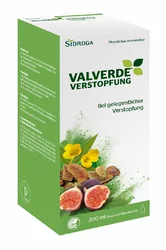
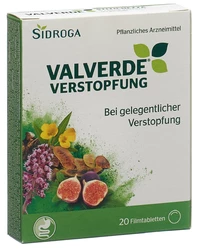
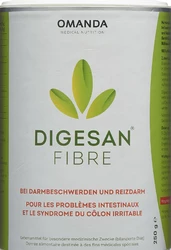
What causes constipation?
The causes of constipation are diverse and can be functional or organic in nature. A low‑fibre diet, insufficient fluid intake and lack of physical activity are common reasons for slowed intestinal activity. Nevertheless, constipation does not occur in all people with these habits, indicating individual differences in bowel function.
Physical changes can also impede stool transport. These include, for example, intestinal polyps, tumours, inflammatory processes or mechanical obstacles due to pelvic floor weakness. In some cases the cause is excessive tension of the pelvic floor or sphincter muscles.
Numerous medications can dampen bowel activity. People taking opioids, antidepressants, antiepileptics, diuretics or certain blood‑pressure drugs are particularly affected. Excessive or incorrect use of laxatives can also impair bowel function in the long term.
Neurological and hormonal influences also play a role. Conditions such as Parkinson's disease, multiple sclerosis or diabetes, but also thyroid disorders and hormonal changes – for example during pregnancy or the menstrual cycle – can disrupt normal bowel evacuation. Constipation also becomes more common with age, for instance due to reduced mobility or the intake of multiple medications.
Changes in daily routine, such as travel, hospital stays or an unfamiliar daily schedule, can further affect digestive rhythm. Repeatedly suppressing the urge to defecate can also trigger constipation. In some chronic cases structural changes in the bowel wall or nerve supply are observed, whose significance is not yet fully understood.
How do acute and chronic constipation differ?
Acute and chronic constipation differ both in their time course and in their causes. Acute constipation usually appears suddenly and lasts only briefly, while chronic constipation develops gradually and persists for a longer period.
Acute constipation often occurs in connection with short‑term changes in daily life, for example due to travel, stressful periods or an unfamiliar diet. As a rule, the complaints subside after a few days. However, severe symptoms or accompanying signs such as nausea or vomiting may indicate a more serious cause.
Chronic constipation is diagnosed when symptoms occur regularly for at least three months. It usually develops slowly and can become a persistent burden. Affected individuals often report a constant feeling of incomplete emptying or persistent straining with bowel movements.
Besides these two main forms there are transitional types in which the symptoms cannot be clearly assigned to one category. For example, situational constipation may occur when external circumstances such as shift work or short‑term medication disturb the digestive rhythm. These complaints can be temporary and subside on their own once the trigger is removed.
When should you see a doctor for constipation?
A medical consultation is advisable for persistent or recurrent constipation and for conspicuous accompanying symptoms. This is especially true if the frequency or nature of bowel movements suddenly changes, for example if bowel movements become markedly less frequent or the stool consistency changes significantly.
Medical help is urgently required if alarm symptoms such as blood in the stool, unexplained weight loss or severe abdominal pain occur. Likewise, symptoms such as nausea, vomiting, fever or a markedly distended abdomen should not be ignored, particularly if stool passage is completely absent. These signs may indicate an intestinal obstruction, which is considered an acute emergency and must be treated immediately.
Also, if for several weeks you have fewer than two bowel movements per week, this should not be taken lightly. Persistent constipation can lead in the long term to serious complications such as haemorrhoids, mucosal tears or even rectal prolapse. In such cases a medical examination is necessary to exclude underlying conditions such as metabolic disorders or bowel diseases.
What you can do yourself against constipation: practical tips
- Aim for a daily fluid intake of 1.5 to 2 litres, ideally as water or unsweetened tea. Fluids soften the stool and support bowel activity.
- Also keep physically active, as exercise stimulates intestinal movements. Even a walk after a meal can promote digestion.
- Eat a fibre‑rich diet and increase your fibre intake to about 30 grams per day. Include foods such as wholemeal bread, lentils, carrots or oats in your meals. Start slowly to avoid digestive discomfort and to optimise colonic transit time.
- Complement your diet with probiotics, for example with natural yoghurt or fermented foods like sauerkraut or kimchi. This strengthens the gut flora and helps regulate digestion in the long term.
- Consume one to two tablespoons daily of ground flaxseed or psyllium husk, stirred into water or yoghurt. Both products swell strongly in the bowel, bind water and thus promote stool evacuation. Be sure to drink sufficient fluids to avoid the opposite effect.
- Also add wheat bran to your breakfast, for example in muesli or yoghurt. Wheat bran loosens the stool, but is unsuitable for people with gluten intolerance.
- Drink a glass of lukewarm water in the morning on an empty stomach to use the gastrocolic reflex and stimulate bowel activity.
- Drink a glass of prune juice daily or eat dried prunes, as they contain sorbitol and fruit sugar that have a natural laxative effect.
- Enrich your meals with a tablespoon of olive or linseed oil. The lubricating qualities ease intestinal passage – this is especially helpful before breakfast.
- Warm your abdomen with a hot water bottle or a cherry‑pit pillow. This soothes cramps, promotes blood flow and relaxes the bowel.
- Perform a gentle abdominal massage clockwise on a regular basis. This promotes bowel movement and can also help with bloating.
- Drink fennel, chamomile or peppermint tea daily to relieve abdominal tension and support digestion through their plant‑derived active ingredients.
- Also consider fermented juices like sauerkraut juice or beetroot juice to stimulate the bowel with natural lactic acid bacteria and fibre.
- Chew your food thoroughly and eat slowly, because digestion already starts in the mouth. Recommendations suggest chewing each bite 30–50 times. This supports natural enzymatic breakdown and avoids unnecessary strain on the bowel.
- For acute constipation you can try a small amount of castor oil (e.g. ½ tbsp). Note that it should be used only short‑term and not regularly.
- In consultation with your doctor, consider osmotic laxatives such as lactulose or macrogol if home remedies are insufficient. Pay attention to correct dosing and drink enough fluids.
- For persistent constipation using a footstool in front of the toilet can help you adopt a natural squatting position. This straightens the rectum and facilitates complete evacuation.
- Suppositories can provide quick relief for constipation, particularly in cases of hypothyroidism or irritable bowel syndrome. Consult a physician to choose the right therapy and avoid side effects, since treatment depends on individual criteria.
Constipation is unpleasant but generally manageable. With the right measures and some patience, digestion can be brought back into lasting balance.


