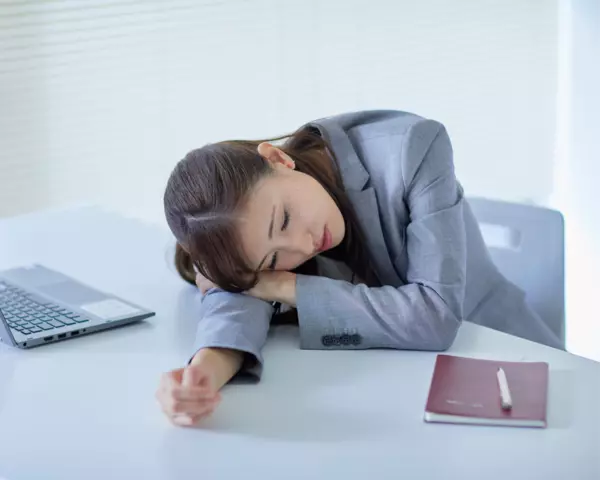
Daytime sleepiness
When you simply have no energy during the day
What is the difference between daytime tiredness and daytime sleepiness?
The difference between daytime tiredness and daytime sleepiness lies in the intensity of the exhaustion and in how the body reacts. Daytime tiredness is often the result of stress, poor sleep hygiene or psychological strain and leads to a general physical and mental exhaustion. It shows up as difficulty concentrating, fatigue and reduced performance, without directly causing falling asleep. People with daytime tiredness often struggle to stay alert but can still focus their attention, albeit with limitations.
Daytime sleepiness, by contrast, is a condition in which the need for sleep is so strong that it can lead to uncontrolled falling asleep even when one tries to stay awake. This is often the case when a sleep disorder such as sleep apnea or another organic cause is present. Sleepiness is characterised by extreme sleep pressure that makes it difficult for affected individuals to remain awake even during physically demanding activities. Often it takes only a few minutes for a sleepy person to fall asleep, and they can suddenly experience a microsleep, which is particularly dangerous in situations that require attention, such as driving or at work.
What causes persistent tiredness?
A persistent feeling of tiredness can have many causes related to both lifestyle and health conditions. Often, insufficient sleep is the main cause. Irregular bedtimes, waking during the night or external disturbances such as noise and light can significantly impair sleep quality. Shift work and a disturbed circadian rhythm also prevent the body from recovering sufficiently.
In addition, lack of physical activity can contribute to ongoing exhaustion because the body becomes less fit. Conversely, excessive physical exertion can also cause weariness, as the body needs more time to regenerate. A high-fat, high-calorie diet can lead to an energy slump after eating, while an unbalanced diet with nutrient deficiencies can also contribute to prolonged lack of energy.
Insufficient fluid intake also plays a role, since dehydration makes the blood more viscous and slows circulation, reducing oxygen supply to the brain. Rapid fatigue can also be triggered by environmental factors such as poor indoor air. For example, a high carbon dioxide concentration due to inadequate ventilation can enhance sleepiness. Weather changes, heat, high humidity or lack of light in winter can also promote fatigue.
From a medical perspective, there are numerous medical conditions that can cause exhaustion. Infections tax the immune system and require more energy to fight pathogens. Hormonal disorders such as hypothyroidism or diabetes affect metabolism and can lead to chronic tiredness. Anaemia, cardiovascular problems or low blood pressure can also be associated with reduced performance and lack of energy. Sleep apnea, which causes nocturnal breathing pauses, is also a common cause of daytime tiredness. Chronic conditions such as multiple sclerosis, rheumatoid arthritis, kidney disease or cancer are further factors associated with persistent fatigue. Mental strain such as stress, anxiety disorders or depression can also affect sleep quality and cause lasting lethargy.
Certain medications such as antidepressants, blood pressure drugs, antihistamines or sedatives can have drowsiness as a side effect. Alcohol and other drugs can also impair sleep quality and reduce daytime performance. Chronic fatigue syndrome (fatigue syndrome) can be another possible cause, especially when tiredness persists despite adequate rest. Anyone who is constantly tired should therefore have a medical check-up to rule out a serious illness.



Can too much sleep also cause tiredness?
Yes, too much sleep can indeed make you feel tired. While lack of sleep clearly has negative effects on the body, long sleeping periods or extended naps can also contribute to feeling sluggish and lethargic.
A possible cause lies in the sleep cycles: the body moves through several phases, and waking from a deep sleep phase is often accompanied by a lingering feeling of grogginess. Anyone who regularly sleeps longer than their individual needs risks waking from such a phase, and the feeling of tiredness can last all day.
Studies also show that too much sleep not only impairs mental alertness but increases the risk of various health problems such as cardiovascular disease, diabetes and depression. The combination of long nights with additional long naps is particularly problematic and can further raise the risk of strokes and cognitive impairment.
Why do you often feel tired after eating?
Post-meal tiredness is a common phenomenon with several possible causes. One important factor is the digestive process itself. After a meal, a larger amount of blood is redirected to the gastrointestinal tract to absorb and process nutrients. This means that less blood and oxygen are available to other parts of the body, such as the brain, which can lead to a feeling of tiredness.
Another reason for postprandial fatigue is an imbalance in blood sugar. After eating, blood sugar rises, prompting increased insulin release. In some people this can lead to a rapid drop in blood sugar known as “reactive hypoglycaemia”. As the brain depends on a stable glucose supply, this drop can impair mental performance and cause fatigue.
The neurotransmitter serotonin also contributes to post-meal tiredness. Certain foods containing tryptophan promote serotonin production. Because serotonin has a calming effect, it can make you feel sleepy, especially after carbohydrate-rich meals. Another factor is the body's circadian rhythm. Our organism has an internal clock that produces natural energy dips at certain times of day—often after lunch.
The choice of foods can also make you tired. High-carbohydrate and high-fat meals, commonly eaten at midday, require more intensive digestion and can amplify feelings of tiredness. Lighter, fibre-rich foods like vegetables, fruit and whole grains can help you feel more energetic after eating.
Which vitamins help against tiredness and lethargy?
Fatigue and lethargy are often due to a deficiency in important vitamins and nutrients. Vitamin B12 plays a central role in cell division, blood formation and nervous system function. A deficiency can cause fatigue, concentration problems and visual disturbances. Foods such as liver, herring, cheese and eggs are recommended for adequate intake.
Folate (folic acid) is essential for cell division and growth, especially during pregnancy. A deficiency often shows up as fatigue, paleness and shortness of breath. To meet requirements, leafy green vegetables, legumes and citrus fruits are good sources. Iron is needed to form red blood cells and transport oxygen. Iron deficiency can cause fatigue and paleness. Iron-rich foods such as leafy greens, legumes and red meat help ensure adequate supply.
Magnesium is needed for energy metabolism as well as muscle and nerve function. A deficiency can lead to fatigue, concentration problems and muscle cramps. Magnesium-rich foods like whole grains, legumes and nuts help meet requirements. Vitamin C supports the immune system and promotes collagen formation; vitamin D regulates the sleep–wake cycle and strengthens immunity. The main sources of vitamin D are sunlight, fatty fish and eggs.
What to do about tiredness: effective tips
- Go outside for 10 to 15 minutes or open a window. That gives new energy and clears the head.
- Allow yourself a short nap at midday of no more than 20 minutes. That recharges your batteries without entering deep sleep that would make you feel even more tired.
- Take a moment to gently massage your earlobes with thumb and forefinger. This improves circulation and helps you feel more awake and energised.
- Chew peppermint gum to stimulate circulation and increase alertness. The fresh taste gives an extra boost of energy.
- Wash your face with cold water or hold your wrists under ice-cold water. This stimulates circulation and makes you feel fresher and more awake.
- Play your favourite song and sing along. Music lifts the mood and provides a quick energy boost.
- Reduce intake of carbohydrate-rich foods when you feel tired. Instead, reach for healthy snacks like fruit, which provide more energy and are easier to digest.
- Actively reduce stress by practising relaxation exercises or doing regular physical activity (2–3 times a week). This increases vitality and prevents exhaustion. To quickly recharge, 5–10 minutes of stretching helps: it relieves tension and stimulates lymphatic and blood circulation.
- If coffee is not appealing, opt for black or green tea. The caffeine there lasts longer and helps you stay awake.
- Ensure your bedroom is well ventilated, at a comfortable temperature and with humidity between 40 and 60%. Avoid TV, laptops and phones in bed as well as heavy meals before bedtime to promote restorative sleep and reduce lethargy.
- Make sure you get enough sleep and improve your night sleep to avoid insomnia. Sleep research shows that a regular sleep routine helps reduce feelings of fatigue.
- Try contrast showers. Shower warm and finish with a short cold rinse. This contrast wakes you up and stimulates circulation.
- If you tend to fall asleep during the day, nodding off may indicate narcolepsy or hypersomnia. Consult a sleep medicine specialist to clarify symptoms and, if necessary, find an appropriate therapy.
- If persistent exhaustion is caused by the active ingredient of a medication, the treating physician may be able to prescribe an alternative.
Daytime sleepiness can often be reduced by healthy sleep habits and a balanced lifestyle. With persistent complaints, a medical examination should clarify possible causes.