Eczema
The best strategies against itching and irritated skin
What is eczema and how can you recognize it?
Eczema is an inflammatory reaction of the skin that can be triggered by irritants, hypersensitivity or external factors. The term dermatitis is often used in medical language as a synonym, although subtle differences can exist depending on the context. A central feature is itching, which is prominent for many affected people.
Eczema can present differently depending on its course, but often begins with reddened, irritated skin and intense itching. In the acute phase, small bumps or blisters may also form, sometimes weeping areas or crusts. The skin reacts noticeably more sensitively than usual. Common triggers are irritants or repeated stress to the skin, while the exact cause can vary individually.
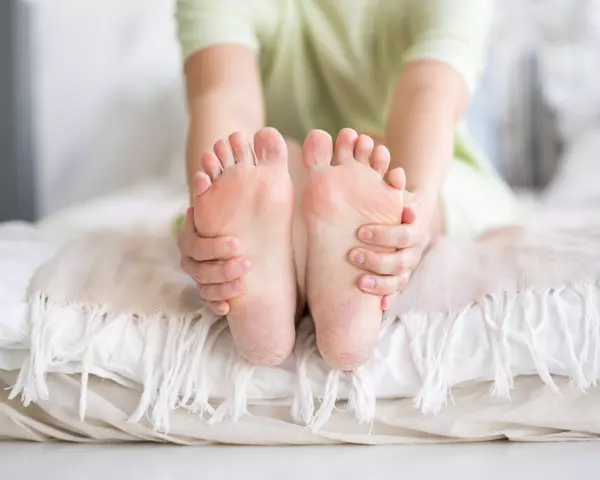
If eczema persists or recurs, the skin structure changes. Affected areas become drier, scaly and over time often thicker and coarser. This thickening of the skin is called lichenification and is typical for chronic courses.
Unlike dry skin, eczema shows clear signs of inflammation such as redness and intense itching. Dry skin usually feels merely rough or tight, without marked inflammation. Eczema also frequently occurs in flares, where symptom‑free periods alternate with acute skin changes.
What types of eczema are there?
A common form is atopic eczema (atopic dermatitis). It is more likely to occur in people with sensitive skin and a family history of allergies. Typical signs are dry skin, itching and irritated patches, often in the inner elbows, behind the knees, on the face and neck. The skin thus reacts faster and more strongly to external triggers such as dryness or certain materials.
A contact eczema arises from direct contact with irritating or allergenic substances. In allergic contact eczema the immune system reacts to a specific substance, while in irritant eczema the skin is directly damaged. Skin changes usually appear where the contact occurred, sometimes with a delay.
The seborrhoeic eczema mainly affects sebum‑rich areas such as the scalp and face and appears as redness and yellowish‑greasy flakes. A drying eczema occurs when the skin lacks fats and moisture for a prolonged period, for example from frequent washing or cold, dry air, becoming rough or cracked.
Other forms concern specific regions or triggers, such as eyelid eczema, the dyshidrotic eczema on hands and feet, stasis eczema with venous problems, and nappy dermatitis related to moisture and friction.

What causes and triggers can lie behind eczema?
Eczema results from a variety of triggers that affect skin types differently. Usually several factors act together.
Some eczema types have a family predisposition, particularly atopic eczema (atopic dermatitis). Affected skin reacts more quickly to stimuli such as dryness or certain materials and is therefore more easily irritated.
Common external triggers are irritating substances such as detergents, fragrances or certain textiles. Allergens like pollen, house dust mites or animal hair can also trigger reactions in sensitive skin. In addition, climatic influences such as cold, dry air or heavy sweating can burden the skin and worsen existing complaints.
Stress as well as hormonal fluctuations are also linked to eczema flares. Because skin reactions often occur with a delay, it is not always possible to determine the exact trigger in daily life.
On which body parts does eczema most often appear?
The areas affected depend mainly on the eczema type and the typical stresses to the skin.
In atopic eczema, the affected sites change with age. A family predisposition can increase the tendency to sensitive skin. Areas that are particularly sensitive to stimuli are often affected.
Typical sites are the skin folds and regions exposed to friction or moisture. These include mainly the inner elbows and the backs of the knees. Eczema also commonly appears on the face and scalp. In babies, the cheeks are often affected; in adults, eyelids, the neck or the area behind the ears are more common.
On the hands, eczema often shows on the back of the hand or between the fingers; on the feet rather on the soles or between the toes. Seborrhoeic eczema mainly affects sebum‑rich areas such as the scalp, eyebrows and nasal folds.
The distribution follows typical patterns because friction, moisture or sebum production make certain areas more vulnerable. Nevertheless, the presentation can vary individually.
Is eczema contagious?
Eczema is not contagious. It cannot be transmitted from person to person.
Many people think eczema is contagious because the skin can look severely altered. Redness, blisters, flakes or crusts visually resemble infections. In fact, however, these are skin reactions and not a transmissible disease.
Eczema can in some cases become secondarily infected. This happens especially when the skin is heavily irritated or scratched. Bacteria, viruses or fungi can then enter the skin. In that case it is called an inflamed or secondarily infected eczema.
It is important to distinguish: the visible skin changes are not contagious. A possible additional infection concerns only the damaged skin, not the eczema itself. Therefore there is no risk of contagion from eczema in everyday life.
When should you seek medical help for eczema?
Eczema should be medically evaluated if the skin change is new or unclear.
A timely assessment is advisable if symptoms do not improve over several days or worsen significantly. This includes a clear spread of the affected areas or markedly increasing itching.
Immediate evaluation is required when sensitive areas such as the eyes are affected or when additional symptoms such as fever, pain or purulent skin changes occur. These may indicate a possible additional skin infection.
If an eczema recurs or spreads widely, medical evaluation is recommended. The primary point of contact is usually the general practitioner, who can refer to a specialist if necessary.
What helps against eczema?
- Rely on ceramides for a stable skin barrier. Ceramides are among the most important components of the skin barrier and make up a large part of the skin’s natural lipids. They help reduce moisture loss. This is especially important for dry skin prone to eczema.
- Provide your skin with moisture using hyaluronic acid. Dry skin often feels tight and can increase itching. Hyaluronic acid binds water in the skin and can help the skin feel more comfortable. Well‑moisturised skin often reacts less sensitively to cold, dry air or frequent washing.
- Soothe irritated skin with niacinamide. Niacinamide is a vitamin B3 derivative commonly used in skincare for sensitive skin. It can help reduce redness and support the skin barrier.
- Support the skin with panthenol. Panthenol is often used for dry and irritated skin. It supports regeneration and can help reduce feelings of tightness and dryness.
- Avoid showers that are too hot or too long. Long, hot showers can strip moisture from the skin. Limit shower time to five to ten minutes if possible and use lukewarm water.
- Use re‑fatting bath additives. Re‑fatting oils or shower additives can help reduce water loss from the skin. This can be especially pleasant after showering for dry skin.
- Cleanse your skin as gently as possible. Many traditional soaps have an alkaline pH and can further dry out sensitive skin. Mild, pH‑neutral cleansing products are often better suited.
- Apply moisturiser immediately after washing. After showering or washing hands, the skin loses moisture particularly quickly. Apply moisturiser within a few minutes if possible. Ingredients such as dexpanthenol or urea help bind moisture.
- Choose skin‑friendly clothing. Rough fabrics like wool can further irritate sensitive skin. Many people find cotton or silk more comfortable.
- Wash new clothes before first wear. New textiles may contain residues of dyes or other substances. Washing can reduce potential irritants.
- Observe the influence of stress. Stress can exacerbate flares in some people. Breathing exercises, meditation or regular walks can help balance daily stresses.
- Keep a food diary. Especially with atopic eczema, certain foods may play a role. Note symptoms and meals over several weeks to identify possible links.
- Pay attention to dry indoor air. Especially in winter, heated air can further stress the skin. Adequate humidity can help prevent excessive drying.
- Document personal triggers. Note possible triggers such as detergents, stress, pollen seasons or skincare products. Days with stronger symptoms can also help identify patterns.
- Use home remedies selectively. For seborrhoeic eczema, olive oil can help soften flakes before washing. Leave it on overnight and then remove loosened flakes with a mild shampoo.
- Have new or severe symptoms evaluated. If eczema appears for the first time or worsens significantly, the cause should be medically investigated. Different triggers can underlie skin changes.
Eczema is more than just dry or irritated skin – it can significantly affect everyday life, wellbeing and quality of life. That makes it all the more important to recognise warning signs early and take potential triggers seriously. With the right care, some patience and a mindful approach to the skin, symptoms can often be noticeably relieved. Understanding what the skin needs helps to better prevent flares and contribute to lasting skin comfort and quality of life.