Electrolytes
How to always have enough energy
editorial.overview
What are electrolytes?
Electrolytes are essential chemical substances that occur as ions in our body and play a central role in many biological processes. They are primarily found as dissolved salts, acids and bases that carry electrical charges and thus support the body's electrical activity. This is crucial for functions such as muscle contraction and the transmission of nerve impulses.
In the human body, the main electrolytes appear as positively charged ions (cations) such as sodium, potassium, calcium and magnesium, and as negatively charged ions (anions) such as chloride and phosphate.
Sodium and chloride, the main components of table salt, are indispensable for maintaining fluid balance and regulating blood pressure. Potassium is essential for regulating acid-base balance and fluid balance.
Calcium is important for bones and teeth, but also supports signal transmission between nerve cells and blood clotting. Magnesium influences over 600 enzymatic reactions and is vital for energy metabolism as well as muscle and nerve function.
An imbalance of electrolytes can lead to various health problems, including cardiac arrhythmias, muscle cramps and neurological symptoms such as confusion and impaired consciousness.


What functions do electrolytes have in the body?
These substances circulate in ionic form in the blood, urine, tissues and other body fluids.
Electrolytes help regulate the balance of water inside and outside cells. They are essential for maintaining a stable blood pH, which in turn is necessary for many bodily functions. For example, sodium is indispensable for regulating blood volume and blood pressure.
They are indispensable for the transmission of nerve signals. They enable the generation of action potentials, the electrical impulses with which nerves send messages. Potassium in particular plays a key role as it regulates electrical charge across cell membranes.
Calcium, potassium and sodium are directly involved in the control of muscle contractions. This includes both voluntary movements (e.g. moving arms and legs) and involuntary movements (e.g. the beating of the heart). Calcium enables the interaction between proteins necessary for muscle contraction, while magnesium acts as an antagonist that relaxes muscles after contraction.
What is the difference between minerals and electrolytes?
Both minerals and electrolytes are important substances that support numerous vital functions in our body, but they differ in their specific roles and properties.
Minerals are inorganic nutrients that the body needs for many processes. They are essential, i.e. the body cannot produce them itself and must therefore obtain them from food. Minerals include both macrominerals, which the body needs in larger amounts (such as calcium, magnesium and sodium), and trace elements, which are required only in small amounts (such as iron, zinc and iodine).
Not all minerals are electrolytes, but all electrolytes are minerals. Electrolytes refers to a specific group of minerals that are electrically charged when in solution, e.g. in body fluids.
How many electrolytes does the body need?
Daily electrolyte requirements in the human body vary depending on the specific electrolyte, age, sex, health status and physical activity.
Sodium is essential for maintaining fluid balance and the normal function of nerves and muscles. The reference range for sodium in the blood is usually between 135 and 145 mmol/l. Adequate sodium intake is important because both deficiency and excess can lead to serious health problems such as hyponatraemia or hypernatraemia, which can affect the nervous system.
The normal potassium level in the blood is between 3.8 and 5.2 mmol/l. Too little or too much potassium can increase the risk of cardiac arrhythmias and muscle problems.
Calcium should be present in the blood between 2.02 and 2.60 mmol/l, magnesium normally between 0.77 and 1.03 mmol/l in women and slightly higher in men. An imbalance can lead to muscle cramps and heart problems.
Chloride contributes to maintaining acid-base balance and plays a role in the production of stomach acid. The normal chloride level in the blood should be between 96 and 110 mmol/l.
Why are electrolytes important during physical exertion?
Electrolytes are particularly important during physical exertion because they support fundamental bodily functions that can be affected by sweating. During sport or other physical activities, the body loses not only water through sweat, but also important electrolytes such as sodium, potassium, magnesium and calcium.
Sodium plays a key role in fluid balance and is important for nutrient absorption and the function of muscles and nerves. Potassium also supports fluid balance and is important for normal muscle and nerve function.
Magnesium is involved in energy production and is important for muscle contraction. Calcium is lost to a lesser extent in sweat but is indispensable for bone health and the function of muscles and nerves.
An electrolyte deficiency during exertion can lead to fatigue, muscle cramps, weakness and even cardiac arrhythmias. Therefore it is important to replace electrolyte losses through an appropriate diet or special electrolyte drinks, especially during intense training or competitions.
Which foods are rich in electrolytes?
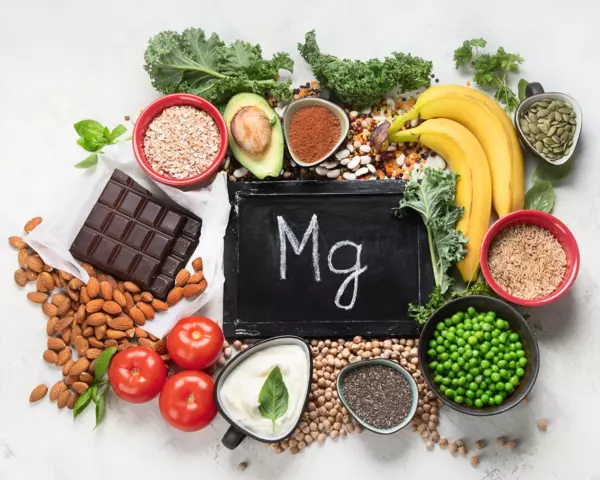
Coconut water is particularly rich in potassium and is often recommended as a natural electrolyte drink. It contains magnesium and calcium, making it a good post-exercise beverage. Bananas are known for their high potassium content. They also contain magnesium and are easy to digest, making them an ideal snack before or after training.
Avocados are another good source of potassium and also provide healthy fats that contribute to overall heart health. Leafy greens such as spinach are not only rich in potassium but also in magnesium and calcium, making them excellent for the daily diet.
Dairy products such as yoghurt and cheese provide plenty of calcium, which is important for strong bones and teeth as well as muscle function. Nuts and seeds, especially almonds and pumpkin seeds, are excellent sources of magnesium and additionally provide healthy fats and proteins.
These foods are not only rich in specific electrolytes but also support a variety of bodily functions, from muscle recovery to nerve function. By incorporating these foods into your daily diet, you can help support your electrolyte balance naturally and promote your health.
Optimising electrolyte balance: useful tips
- Have your electrolyte levels in the blood checked regularly to ensure you are well supplied, especially if you exercise or are under stress.
- Avoid excessive coffee and alcohol consumption as well as the use of certain medications that can accelerate electrolyte loss.
- Drink enough. It is recommended that healthy adults drink about 1.5 litres per day, preferably water. After exercise, with heavy sweating and on hot days, fluid requirements increase.
- Include electrolyte-rich foods such as bananas, oranges, avocado, tomatoes and dairy products in your daily diet.
- Combine calcium-rich foods with vitamin C to improve absorption.
- Watch for signs such as headaches, muscle cramps and fatigue that may indicate electrolyte disturbances.
- Opt for wholegrain versions. Whole grains contain more minerals than white flour.
- Combine spinach, a banana, a handful of frozen mango pieces and coconut water in a blender to create a refreshing smoothie rich in electrolytes.
- Ensure you get enough vitamin D to promote calcium absorption.
- Take 500 ml of water – mineral water is particularly suitable – and put it in a bottle or carafe. Add 1–2 tablespoons of fresh lemon juice to provide vitamin C and flavour. Sweeten the drink with a tablespoon of honey or maple syrup – these natural sweeteners are a good alternative to sugar and also provide energy. For the important electrolyte sodium, add a pinch of high-quality salt such as rock salt or Himalayan salt. Stir or shake the mixture well until everything is fully dissolved.
- Please note that in cases of severe electrolyte imbalances or health problems, professional medical advice should be sought.
Electrolytes such as sodium, potassium and chloride are essential for maintaining normal bodily functions. An imbalance of these electrolytes can contribute to various health problems such as muscle cramps, cardiac arrhythmias and neurological disorders. Therefore it is important to eat a balanced diet and drink enough to keep the body's electrolyte balance stable.