

Glucosamine
How to extend your life
What is glucosamine?
Glucosamine is an amino sugar compound that occurs naturally in the body. It arises from the combination of a sugar molecule (glucose) with a nitrogen-containing amino group. The human body can produce glucosamine itself and uses it particularly for building and stabilising structures such as connective tissue, cartilage and synovial fluid. Glucosamine plays an important role there, for example regarding the elasticity and load-bearing capacity of joints.
In the body, glucosamine occurs in different chemical forms. One of these is N-acetylglucosamine, which is best known as a component of hyaluronic acid. Hyaluronic acid is a natural lubricant in synovial fluid and supports smooth joint movement.
In dietary supplements, glucosamine is most commonly used in the form of glucosamine sulfate, glucosamine hydrochloride or N-acetylglucosamine. These compounds are biochemically related but differ in their chemical composition and possible applications.
In addition, glucosamine is also used in medicine, particularly for age- or load-related deterioration of cartilage tissue. It is known for its role in joint health and is the subject of numerous scientific studies. Besides the established use in degenerative joint conditions, research is also investigating other potential areas of effect, including impacts on ageing processes in model organisms.
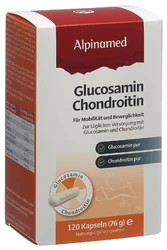

What are the health benefits of glucosamine?
Glucosamine is one of the central building blocks of cartilage tissue and plays a special role in maintaining healthy joint structures. It supports the natural function of the musculoskeletal system by promoting the production of proteoglycans and other cartilage components. These are essential for binding water in the tissue and thus ensuring the elasticity and shock absorption of the joints.
An important benefit of this endogenous amino sugar is that it can contribute to the relief of joint complaints. Especially in degenerative changes such as osteoarthritis, it has been shown to effectively reduce pain and stiffness and to stabilise joint function in the long term. Studies suggest that regular intake of glucosamine sulfate can slow the progressive breakdown of cartilage over an extended period. Some investigations even measured a positive effect on the need for joint replacement surgery years after intake.
Scientific data also show that glucosamine has anti-inflammatory properties. This effect can be particularly helpful in chronic inflammatory joint diseases, as glucosamine inhibits the release of certain inflammatory mediators and can thus reduce swelling and pain.
For people exposed to high physical stress, such as elite athletes, glucosamine also plays a supportive role. It can be taken preventively to counteract overload injuries or help faster recovery after minor injuries such as sprains or strains.
How does glucosamine work in skincare?
Glucosamine, especially in its form as N-acetylglucosamine (NAG), is a versatile active ingredient with remarkable properties in skincare. Its central advantage lies in its role as a precursor to endogenous hyaluronic acid, which substantially contributes to moisture retention in the skin. By stimulating hyaluronic acid production, the skin becomes better hydrated, which can reduce dryness, tightness and fine lines.
Furthermore, glucosamine supports the natural exfoliation of the skin. It promotes the shedding of dead cells, resulting in a smoother, finer skin texture. At the same time, the skin surface becomes clearer and pores appear refined. This effect is particularly useful for rough, callused skin or for reducing calluses on highly stressed areas such as feet or hands.
Another positive aspect concerns skin tone. Glucosamine can inhibit melanin formation. As a result, pigmentation disorders such as age spots or post-inflammatory hyperpigmentation – for example after acne – can be visibly reduced. In combination with ingredients like niacinamide, this brightening effect can be further enhanced.
N-acetylglucosamine also contributes to protection against harmful environmental influences. It acts as an antioxidant, protecting the skin from free radicals that could otherwise damage cells and accelerate skin ageing.
Why are glucosamine and chondroitin combined?
The combination of glucosamine and chondroitin is frequently used to support joint function and is described in studies as potentially beneficial. Both substances occur naturally in human cartilage and fulfil different, complementary roles. While glucosamine is involved, among other things, in forming the cartilage matrix, chondroitin contributes to the elasticity and shock absorption of the cartilage. When both substances are taken together, a synergistic effect may occur that enhances their action.
Long-term studies indicate that this combination can help relieve typical osteoarthritis symptoms by reducing pain and inflammation, improving joint function and possibly slowing cartilage degradation. Taking them over a longer period with certain dosages (e.g. 1'500 mg glucosamine and 800 mg chondroitin daily for at least six months) has proven useful.
Additionally, the combination is valued for its good tolerability, making it a sustained option for people with chronic joint complaints. Medical guidelines also mention this combination as a possible therapeutic measure, particularly for knee osteoarthritis.
What side effects does glucosamine have?
Glucosamine is generally considered well tolerated, yet its intake can cause unwanted side effects in some people. The most common are digestive disorders, such as nausea, a feeling of fullness, bloating, heartburn or loose stools. These complaints are usually harmless and subside quickly.
In rare cases, affected individuals report headaches, fatigue, sleep problems or skin reactions such as itching or rashes. Very rarely, glucosamine can lead to photosensitivity or changes to the fingernails. People with a known allergy to shellfish should also be cautious, as many glucosamine preparations are derived from crab or shrimp shells and may trigger allergic reactions.
Glucosamine is also not universally recommended for all pre-existing conditions. People with liver problems should consult a doctor before taking it. Even though side effects are generally minor, it is advisable to stop taking glucosamine and seek medical advice if symptoms persist.
How you can benefit from glucosamine: helpful tips
- Natural sources of glucosamine include crabs, shrimp, mussels, lobster and sharks, as well as animal cartilage and connective tissue parts. These foods are, however, seldom or rarely part of the regular diet, which reduces glucosamine intake.
- For the natural formation of glucosamine it is important to consume enough vitamin B6 – as a supplement or from fruit, vegetables and complex carbohydrates.
- So that glucosamine and other cartilage-building substances reach the cartilage via the synovial fluid, it is important to move regularly. This increases the efficiency of these building blocks: the movement of the joints helps to work them into the cartilage.
- A regular intake of glucosamine is particularly important for smokers. Glucosamine lowers the risk of heart disease by suppressing the production of C-reactive protein and thereby inflammatory processes.
- As a dietary supplement, three forms of glucosamine are available on the market: glucosamine sulfate, glucosamine hydrochloride and N-acetylglucosamine. They can support joints in case of a glucosamine deficiency when supplemented for at least 3 months.
- Be aware that tissues need time to regenerate and that regeneration is not guaranteed. It is best to take combined supplements with other cartilage-forming substances and avoid excessive stress on the joints.
- Supplements containing glucosamine are not suitable for people with shellfish allergies. They are also not recommended for children, pregnant or breastfeeding women. For people with diabetes, glucosamine supplementation is not advisable as it may affect blood sugar levels. Blood sugar monitoring is necessary during glucosamine use.
- Take capsules or medicines with glucosamine, chondroitin sulfate, MSM, magnesium salts and dietary fatty acids to specifically support cartilage formation and joint cartilage. Pay attention to tested quality.
- Use tablets as a complement in case of unbalanced nutrition and adhere to the recommended daily portion. If you take blood thinners, have possible interactions checked by a physician to protect your bones from risks due to increased bleeding.
Whether as a dietary supplement or as an ingredient in modern care products: glucosamine convinces with its versatile effects. It is worth taking a closer look at this natural substance.