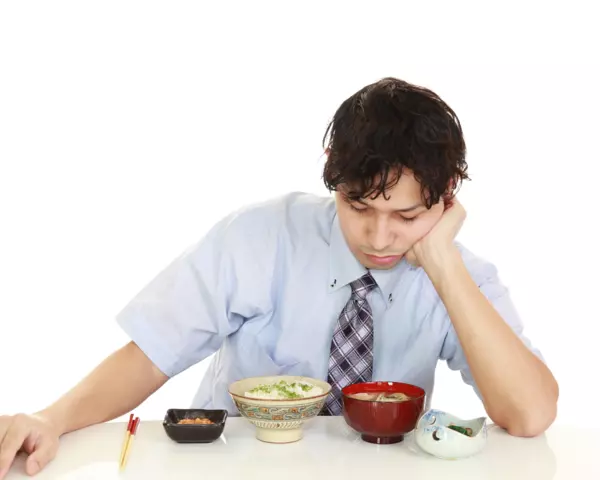
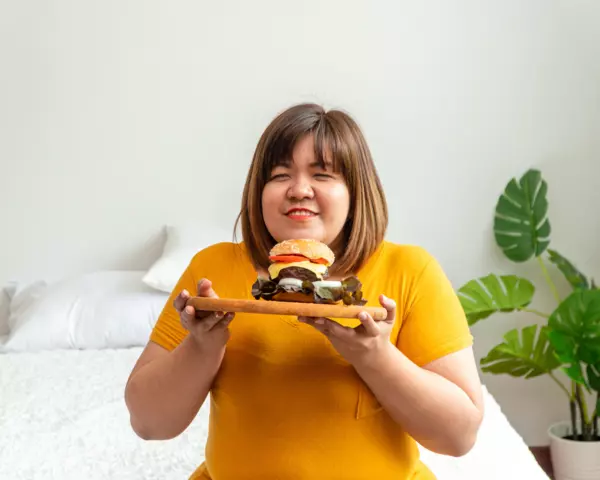
Intense cravings
When this urge gets out of control
How does the feeling of hunger arise?
Hunger is a vital survival signal: it alerts us that the body needs food to produce energy. The feeling of hunger is the result of a complex interaction of hormones, messengers and sensory perceptions and is triggered by the brain’s control centre, the satiation and hunger centre in the hypothalamus. The vagus nerve, the digestive tract and the liver are also involved.
The brain regulates the balance between energy use and food intake: when there is an energy deficit, hunger or even intense cravings can occur – an urge that is hard to resist and drives rapid eating. In some people these key regulatory mechanisms are disrupted, so they suffer from constant hunger. Foods are perceived as rewarding and stored in the brain. In stressful situations or when habits dictate, appetite for certain foods can suddenly increase and the brain seeks reward. If the desired stimulus is received, feel-good hormones are released.
Often the blood sugar level is responsible for sudden hunger: the faster it drops, the stronger the need for energy in the form of unhealthy snacks. Glucose is the body’s primary energy source — and so are carbohydrates, because during digestion they are broken down into glucose. Glucose reaches the body’s cells via the bloodstream, where it is used to produce energy. The rule here is: the lower the blood sugar level, the stronger the feeling of hunger.
The problem with intense cravings is that people tend to consume large amounts of food very quickly. The feeling of fullness sets in about 15 minutes after eating, when insulin and certain hormones from the stomach lining activate the satiation centre. During intense cravings far more is eaten than is actually needed to feel full.
Why do simple carbohydrates trigger intense cravings?
The speed at which carbohydrates are metabolised (broken down into glucose) depends on their chemical structure. Simple carbohydrates such as glucose (dextrose), sucrose (table sugar), honey, sweets and white flour products are rapidly usable and therefore cause a quick rise in blood sugar — but also a rapid fall, which repeatedly leads to intense cravings.
We also tend to overeat when it comes to the combination of carbohydrates and fats: breast milk contains exactly these components, and we have perceived them as particularly tasty since infancy. Physician Dr Johannes Wimmer explains: “If foods are composed of 50 percent carbohydrates and 35 percent fat — like, for example, chips — our sense of fullness switches off.”

Which foods prevent intense cravings and why?
Complex carbohydrates such as wholegrains, legumes and vegetables do not raise blood sugar as quickly and then fall more slowly, because they take considerably longer to be metabolised. Therefore you feel full for longer after consuming complex carbohydrates.
What are the most common triggers of intense cravings?
Intense cravings arise after long gaps between meals, from poor eating habits (e.g. snacks consisting of simple carbohydrates), physical exertion such as sport or manual labour, mental effort, stress, boredom, frustration and emotional strain, pregnancy and breastfeeding, and during growth phases.
Other possible triggers of intense cravings include migraine, dieting, premenstrual syndrome, intestinal parasite infections, alcohol dependence, the flavour enhancer glutamate and certain medications.
Goodbye intense cravings: smart tips to control sudden urges
- Three satisfying meals help curb and control hunger. Aim for a conscious, balanced diet rich in fibre and protein (wholegrain products, fruit, vegetables and legumes).
- Take your time when eating and avoid gulping down food. This gives your body time to develop a feeling of fullness.
- Eat sweets only immediately after the main meal and only if you are no longer hungry. You will snack less and the meal fibres help prevent a rapid rise in blood sugar.
- Avoid foods that contain glutamate. This flavour enhancer is known for its appetite-stimulating effect. It is often found in convenience foods, chips or in Asian cuisine.
- If you experience intense cravings, drink a large glass of water first: the stomach fills and the appetite disappears. Intense cravings are often mistaken for thirst. Drink at least 2 litres of water per day.
- Studies suggest that foods with bitter compounds can curb appetite and help against intense cravings: bitter compounds stimulate the release of hormones responsible for satiety. Bitters are found in chicory, rocket, Brussels sprouts, broccoli, kale, chard, spinach, grapefruit, olives, herbs and spices.
- Teas with bitter compounds include green tea, angelica, wormwood, gentian root and dandelion. Brew the tea with hot water, but do not boil too long, otherwise the bitter compounds are lost. Steeping time should not exceed ten minutes.
- If you crave chocolate, your body likely needs magnesium and glucose. A banana and a handful of unsalted nuts, such as almonds, often satisfy the craving.
- If you crave fried food, your body needs energy and fatty acids. In that case avocado on bread or fish, e.g. salmon, are better choices.
- Craving fast food like pizza and burgers is a sign the body needs salt and energy. A healthy alternative is vegetable sticks, for example with hummus, walnuts or a boiled egg.
- Prepare a few healthy snacks of fruit and nuts in the morning for small hunger between meals.
- Regular physical activity and sport also help normalise the feeling of hunger. Instead of eating out of boredom, learn relaxation techniques such as yoga or progressive muscle relaxation, or go for a walk.
- Get enough sleep. The link between lack of sleep and weight gain or obesity has been demonstrated in several scientific studies.
- Persistent overeating can also have physical or psychological causes, such as hyperthyroidism, type 2 diabetes or depression. In that case, consult your GP. Unusually frequent intense cravings can be a sign of a deficiency in certain nutrients.
With these tips, unconscious snacking and intense cravings will become a thing of the past!