

Iron
More blood oxygen through the right diet
What is iron?
Iron is a trace element present in small amounts in the human body, but distributed in defined compartments. In total there are about two to four grams in the organism. The largest share is found in the blood, while roughly one third is stored in organs such as the liver, spleen, bone marrow and intestinal mucosa.
It is obtained from food. After passing through the intestine, iron enters the bloodstream, where it does not circulate freely but is bound to specific proteins. For transport in the blood it is bound to transferrin and for storage in organs to ferritin. In this way the trace element is either on the move or available as a reserve.
To determine how iron is distributed in the body, various blood values are used. Because the plain iron level fluctuates considerably over the course of a day, doctors also consider parameters such as ferritin, transferrin and transferrin saturation. Together these values provide information about the amounts present in the body and how well they are distributed.


What does the body use iron for?
Iron fulfils a range of central functions in the human body that go far beyond the formation of red blood cells. As a component of the red blood pigment haemoglobin, it allows oxygen to bind and be transported, thus ensuring supply to all cells. Iron is also indispensable in muscle tissue, where myoglobin carries oxygen to mitochondria, which use it to produce energy.
Moreover, iron is a crucial element in numerous metabolic pathways. For example, it is part of iron‑sulphur complexes required for the function of the respiratory chain in mitochondria. Iron also has a protective role by intercepting excessive free radicals. DNA synthesis and the citric acid cycle depend on iron as well. In the fatty acid metabolism this trace element influences the formation of certain fatty acids and inflammatory processes.
Iron also plays an important role in the immune system. It is needed for immune cells to mature and function effectively. If iron is lacking, structural changes in immune organs may occur, impairing the body's responsiveness. Adequate iron supply is also crucial for antibody production and thus supports vaccine protection.
Iron is indispensable for the nervous system as well. It contributes to the synthesis of neurotransmitters such as dopamine, which are important for signal transmission in the brain. Thus iron affects both cognitive performance and motor control.
How does iron deficiency become noticeable?
Iron deficiency typically develops gradually and often goes unnoticed at first. Early signs are often non‑specific, such as persistent tiredness or a feeling of exhaustion that does not improve with adequate sleep. A noticeable paleness of the skin or reduced physical capacity can also be early warning signs.
The longer the under‑supply continues, the more pronounced the complaints become. Affected people often report dizziness, headaches or reduced concentration, which noticeably impair everyday life.
In addition to these general symptoms, changes in the skin, hair and nails may occur. Typical accompanying signs are cracked corners of the mouth, brittle or spoon‑shaped nails and increased hair loss. A dry or rough‑looking skin and a burning sensation on the tongue can also indicate iron deficiency. Some people even develop unusual cravings, for example a desire to eat substances such as earth or chalk.
In later stages, blood formation can be disturbed, leading to iron deficiency anaemia. This results in more pronounced limitations such as palpitations, breathlessness with minimal exertion, tinnitus or a racing heart. Irritability, low mood and disturbed temperature regulation can also follow.
Children are particularly sensitive: in them iron deficiency often shows as low energy, concentration problems and increased irritability. Since the symptoms are not specific and can have other causes, medical evaluation provides certainty.
How can iron deficiency arise?
Iron deficiency occurs when the balance between iron intake and loss is disturbed. This happens particularly often through blood loss, because with every drop of blood iron is also lost. In everyday life, women of childbearing age often experience this through heavy or prolonged menstrual bleeding, which can significantly deplete iron stores. Benign uterine changes such as fibroids, or malignant diseases, can also increase such bleeding.
In men and in women after the menopause, a slow blood loss from the gastrointestinal tract is usually responsible, for example due to ulcers, inflammations or tumours. Less commonly, iron deficiency arises from blood loss via the urinary tract, respiratory tract or gums. Repeated surgeries or frequent blood donations can also favour it. Even dialysis patients experience a continuous, non‑negligible blood loss due to treatment.
Another cause is insufficient intake through the diet. People who eat very monotonously, consume few iron‑rich foods or restrict intake through diets may not be able to refill their stores. Particularly at risk are infants and young children, adolescents, vegetarians, people with eating disorders or alcohol dependence, since their requirements are not always met by diet alone.
Sometimes there is enough iron, but the body cannot use it properly. Chronic inflammations in the digestive tract such as Crohn's disease or ulcerative colitis impair absorption. Chronic gastritis can also prevent dietary iron from entering the bloodstream. After surgical procedures that remove parts of the stomach, absorption is further reduced.
The same effect can be caused by medications that reduce stomach acid production. In some cases there is a so‑called functional iron deficiency: iron is present in the body but not in a usable form, as can occur with chronic inflammation or heart disease.
There are also phases when the body requires particularly much iron, for example during pregnancy, breastfeeding or periods of rapid growth. Intense training can also increase requirements. If this increased need is not met, deficiency will also develop.
What are the consequences of iron deficiency?
Untreated iron deficiency can have serious health consequences. If it progresses, an iron deficiency anaemia develops. The heart then has to work significantly harder to compensate for the lack of oxygen in the blood. If this state persists over time, the heart can enlarge and in the worst case even lead to heart failure.
The consequences during pregnancy are particularly serious: iron deficiency can increase the risk of premature birth and cause babies to be born with low birth weight. Adequate supply remains important after birth. Infants who do not receive enough iron from breast milk or food are at risk of developing a deficiency themselves. This can have lasting negative effects on their growth and cognitive and physical development and often makes later treatment more difficult.
How much iron does the body need?
The recommended daily iron intake depends on age, sex and life situation. Men need on average about 10–11 milligrams per day, women of childbearing age around 15–16 milligrams. After menopause their requirement falls back to approximately 10–14 milligrams.
During pregnancy the need rises markedly to 27–30 milligrams and for breastfeeding mothers it ranges between 16 and 20 milligrams. Children and adolescents require 8–15 milligrams depending on age, as growth and development demand a stable supply.
How to boost your iron levels: helpful tips
- Eat blood‑forming foods. Animal sources of iron include pork liver (19.5 mg per 100 g), veal liver (9 mg), beef liver (7.8 mg), liver sausage/pâté (7.3 mg), venison (3.2 mg), venison leg (3 mg), lamb leg (2.5 mg), duck breast (2.4 mg) and beef fillet (2.3 mg). Iron from animal products is particularly well absorbed.
- Plant‑based iron sources include pumpkin seeds (12.5 g), sesame (10 mg), soybeans (9 mg), lentils (8 mg), pistachios (7.3 mg), cashew nuts (6.3 mg), chanterelles (5.8 mg) and spinach (3 mg).
- Cereals with particularly high iron content include wheat bran, amaranth, quinoa, millet flakes, millet (grain), oats, spelt and buckwheat. Sourdough bread is a good plant‑based source of iron.
- Dried fruit, especially dried apricots, also provides iron. Good sources include dates, figs, dried apple rings, as well as currants, elderberries, blackberries and blueberries.
- Freshly prepared fruit and vegetable juices deliver a lot of iron. You can mix blackcurrants, redcurrants, mango, blackberries and raspberries in any combination. With a mild iron deficiency you can also use so‑called plant blood (vegetarian juice mixes) available from pharmacies or health stores.
- Nettle, dandelion, centaury, couch grass, blackberry leaves, tormentil and horsetail are medicinal plants that may help with iron deficiency.
- Take vitamin C together with blood‑forming foods, as it promotes iron absorption in our body. Vitamins B6, B9 and B12 are also important for iron utilisation. In addition, adequate copper intake is important for iron transport.
- There are products that inhibit iron absorption. These should not be combined with iron‑rich foods: dairy products, legumes, wholegrain products, black tea, coffee, chard, rhubarb and red wine.
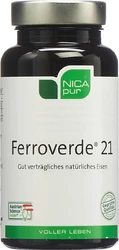
- If you opt for supplements, prefer chelated forms of iron where amino acids are bound to the trace element. Such forms (for example iron bisglycinate) are better tolerated and suffer fewer losses in the stomach and small intestine. Iron is best taken 15 minutes before breakfast. Consult your doctor before taking supplements.
Iron plays a key role for health and vitality because it is involved in many vital functions. A balanced iron status is the foundation for optimal physical and mental performance – a good reason to keep an eye on your own needs.


