Leaky Gut Syndrome
A mysterious diagnosis behind acne, bloating and fatigue
What is Leaky Gut Syndrome?
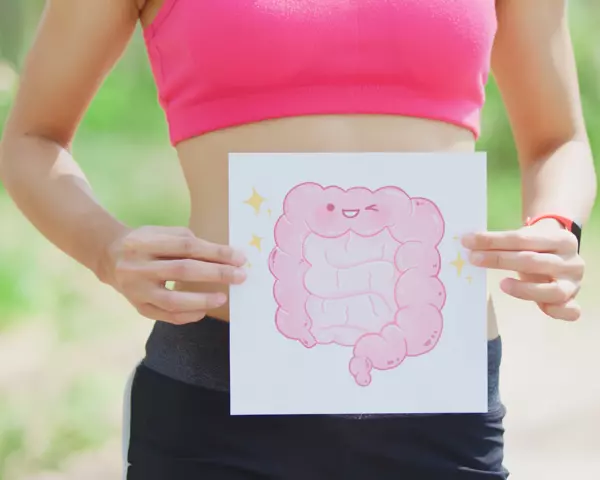
In leaky gut syndrome the barrier function of the gut is impaired: in the gastrointestinal tract the so‑called „tight junctions" open up. These narrow points ideally hold the epithelial cells of the intestinal mucosa together and prevent allergens, bacteria and other harmful substances from entering the body.
In leaky gut the intestinal lining suddenly develops gaps, so that not only water and healthy nutrients but also toxins, fungi, mycotoxins and partially digested particles can pass through the intestinal mucosa unhindered. As soon as these harmful substances enter the bloodstream, immune reactions occur: inflammatory mediators are released and the body simultaneously produces antibodies directed against the foreign substances. The problem is that these foreign substances sometimes resemble the body's own tissues in their structure, and the immune system attacks the body's own cells as if they were invaders. This is how autoimmune diseases can develop.
What symptoms can occur with leaky gut syndrome?
The complaints are diverse and are not necessarily associated with a diseased gut. Therefore patients are often unaware that they need to do something for their digestive tract to achieve improvement.
Symptoms range from food intolerances, irritable bowel symptoms, bloating, chronic joint and muscle pain, migraine, acne and eczema to a weakened immune system, recurrent bladder and vaginal infections, and problems with concentration, mood swings, chronic fatigue, depression, nervousness, anxiety and phobias. Over the years chronic conditions that are considered incurable may develop.

Which diseases are associated with leaky gut syndrome?
Numerous scientific studies show that heart problems (atherosclerosis and chronic heart failure) and autistic disorders as well as rheumatoid arthritis, psoriasis, atopic dermatitis, irritable bowel, chronic fatigue syndrome, type 1 diabetes, multiple sclerosis and Parkinson's disease can be linked to leaky gut syndrome.
Leaky gut syndrome itself is, however, reversible, since the gut can regenerate.
What are the most common causes of leaky gut syndrome?
Leaky gut syndrome, in which the intestinal barrier is demonstrably damaged, is in most cases a consequence of the usual modern lifestyle. One of the main causes of this syndrome is an unhealthy diet with lots of sugar and isolated carbohydrates (rice, bread, pasta and white flour products), harmful fats (refined vegetable oils, processed meats) and alcohol. Alcohol can damage the intestinal barrier and at least two alcohol‑free weeks are required to regenerate alcohol‑related damage to the intestinal mucosa.
Many medications such as antibiotics, non‑steroidal anti‑inflammatory drugs (painkillers), cortisone as well as treatments like radiation and chemotherapy attack the intestinal mucosa and disturb the gut flora. The yeast fungus Candida, which can overgrow after antibiotic therapy or due to excessive intake of isolated carbohydrates, displaces the healthy gut flora and releases fungal toxins that damage the intestinal mucosa and can lead to systemic fungal infection.
Persistent stress is also a risk factor for leaky gut. The most common causes of stress‑related disruption of the intestinal barrier are bereavement, separation from a partner, workplace bullying, panic attacks and anxiety states.
A deficiency in essential nutrients also impairs the function of the intestinal mucosa, as it depends on nutrients and vital factors. This applies in particular to vitamin A deficiency, which is essential for the health of mucous membranes throughout the body, and to zinc, which is necessary for regeneration and healing of the intestinal mucosa.
Furthermore, gastrointestinal infections (viruses, bacteria, fungi, parasites) affect the intestinal mucosa. Food allergies or intolerances such as gluten intolerance can additionally burden the gut and favour development of leaky gut in the long term.
Stop leaky gut: best tips for a strong, tight gut barrier
- Protect the mucous layer of the gastrointestinal system: avoid damaging foods and drinks and promote a healthy gut flora.
- It takes some time for a healthy mucous layer to form in the gut. As a temporary natural substitute you can consume mucilaginous foods: flaxseed, psyllium husks, chia seeds, marshmallow root tea, liquorice root tea and bone broth.
- The day before, put 2–3 tablespoons of flaxseed in 250–500 ml of water in a bowl. In the morning briefly boil the flax mucilage and strain it through a fine sieve. Put the mucilage into a thermos and drink it lukewarm during the day.
- Boil 1 teaspoon of liquorice root in 150 ml of cold water, let it simmer briefly and then pour off the tea. Drink 3 to 5 cups daily. After 4 to 6 weeks, however, you should take a break of several weeks.
- Pour 1 teaspoon of crushed marshmallow root into a cup of cold water. Let the tea stand for 1 to 2 hours, stirring occasionally. Then strain and sip. Marshmallow cold tea should not be stored.
- Probiotics containing beneficial bacterial strains, taken 1 to 2 times daily with meals, are recommended to rebuild the gut flora. Probiotic foods such as raw sauerkraut and other fermented products can also be used.
- Prebiotics such as inulin or FOS (fructooligosaccharides) serve as food for probiotic bacteria. This helps the gut flora recover much faster. To test personal tolerance and avoid bloating, start with small doses of prebiotics.
- L‑glutamine supports regeneration of the intestinal mucosa and reduces intestinal permeability. The cells of the intestinal mucosa consume 70% of the total dietary L‑glutamine. Start with small amounts to adapt slowly and rule out intolerances (1–2 times daily 3 g on an empty stomach, then slowly increase to 2 times daily 5 g). L‑glutamine supplementation should not be continued for more than 8 weeks.
- Shakes with barley grass and barley grass juice powder are particularly favourable for regeneration of the intestinal mucosa.
- Bitter compounds such as bitter base powder, herbal elixirs, herbs and spices (dandelion, yarrow, chicory, sage, ginger, galangal and turmeric) optimise digestion, which is especially important in leaky gut syndrome.
- Ensure adequate intake of essential nutrients such as zinc, vitamin A, magnesium, iron, selenium, vitamin D, B‑complex vitamins, vitamin C and vitamin E. Many of these nutrients have strong antioxidant and anti‑inflammatory effects and thus protect the cells of the intestinal mucosa.
- Omega‑3 fatty acids have anti‑inflammatory effects and, according to studies, increase the level of intestinal alkaline phosphatase (IAP) together with curcumin. IAP is an enzyme that is extremely important for the health of the gut barrier.
- Antioxidants such as OPC, astaxanthin, curcumin, pine bark extract, quercetin, rutin, hesperidin and anthocyanins help inhibit inflammatory processes in the gut.
- Increase your glutathione levels with sulforaphane, curcumin and green tea extract. Glutathione is an endogenous antioxidant with strong anti‑inflammatory effects.
- Avoid indulgences such as sugar, caffeine, nicotine, sweeteners, alcohol etc. Opt for a nutrient‑rich, alkaline diet to strengthen the body and support regeneration of the intestinal mucosa.
- Chew thoroughly: careful chewing relieves the digestive burden, allows better digestion, reduces the formation of putrefactive and fermentative substances and improves nutrient uptake.
- Drink about 30 ml of pure water per kilogram of body weight daily to excrete toxins more quickly and relieve the gut. Digestive herbal teas such as peppermint and ginger are also beneficial.
- Regular exercise stimulates the gut, supports metabolism and promotes regeneration of the intestinal mucosa. Try what you personally enjoy most: long walks, Nordic walking, yoga or strength training.
- Avoid stress and reduce it through relaxation techniques. This helps your body learn not to internalise stress as much.
You can influence the course of the condition and support your body in regeneration through a healthy lifestyle!p