Lingonberry (Preiselbeere)
The wonder berry for bladder complaints
editorial.overview
Which nutrients and vitamins are found in lingonberries (Preiselbeeren)?
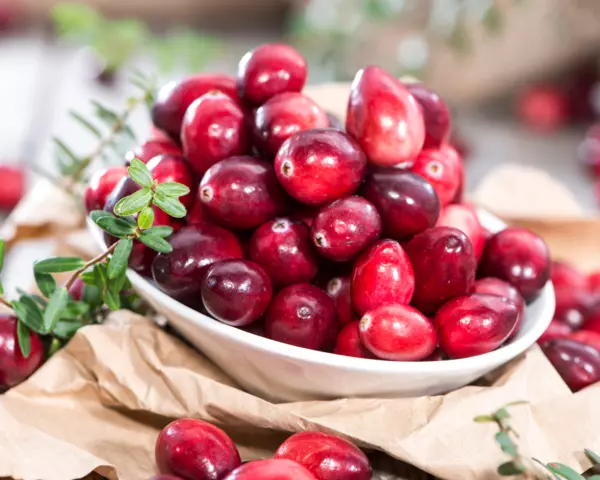
Lingonberries grow in bogs, alpine heaths and in spruce and pine forests. They can also be found in the Alps up to an altitude of 3000 metres above sea level. The berry is bright red and has a white flesh with numerous small seeds. The flesh tastes strongly sour, astringent and bitter.
Lingonberries are a true nutrient source—both healthy and tasty. They contain a range of important vitamins and minerals that support overall wellbeing.
Lingonberries are particularly rich in vitamin C, a powerful antioxidant that strengthens the immune system, supports skin health and protects cells from harmful free radicals. Vitamin C also plays a key role in collagen production, important for skin elasticity and wound healing.
These small berries are an excellent source of soluble and insoluble fibre. Fibre promotes digestion, helps regulate blood sugar levels and supports heart health by lowering cholesterol.
Lingonberries are high in secondary plant compounds such as flavonoids and anthocyanins. These antioxidants help reduce inflammation in the body and lower the risk of chronic diseases such as cardiovascular disease and cancer.
Lingonberries contain minerals like iron, potassium and manganese. Iron is essential for the formation of red blood cells and the transport of oxygen in the body. Potassium supports fluid balance and cardiovascular function, while manganese plays an important role in metabolism and bone health.
In addition to vitamin C, lingonberries also contain B vitamins such as B1 (thiamine), B2 (riboflavin) and B3 (niacin), which are important for energy metabolism and nervous system health.
The organic acids present, such as citric acid and malic acid, have a positive effect on digestion and support the body's detoxification processes.
How do lingonberries work for urinary tract infections and bladder complaints?
Urinary tract infections are the main area of use for lingonberry leaves and juice. For chronic infections, lingonberries offer a significant advantage over antibiotics, as they do not damage the delicate gut flora and have few side effects.
The plant compounds anthocyanins prevent bacteria from adhering to the inner wall of the bladder. This can improve symptoms such as an overactive bladder, urge incontinence, mucosal damage and chronic infections.
Lingonberry juice is well tolerated and is ideal for long-term prevention if you suffer from regular, recurrent urinary tract infections. The healing effect of these wonder berries is also observed on other mucous membranes of the body: they can relieve inflammation of the gut, the oral mucosa and the gums.
What role do anthocyanins play in lingonberries?
Anthocyanins are plant pigments that give lingonberries their deep red colour and offer a range of health benefits. They act as strong antioxidants that protect the body from free radicals and thereby help preserve cells from damage. Through their anti-inflammatory properties, anthocyanins can help lower the risk of chronic diseases, support the cardiovascular system and improve blood circulation.
In lingonberries, anthocyanins are particularly valuable because they can also positively affect the bladder and urinary tract. They help promote urinary tract health and reduce the risk of urinary tract infections by inhibiting the growth of harmful bacteria.
Additionally, studies show that anthocyanins can support cognitive function and memory, making them an excellent component of a health-promoting diet.
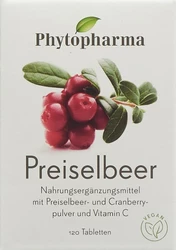
How does lingonberry juice support health in recurrent infections?
Lingonberry juice can play a supportive role in recurrent infections, especially in the urinary tract. The proanthocyanidins (a type of anthocyanin) found in lingonberries have antibacterial properties that can prevent bacteria from attaching to the walls of the urinary tract. This effect is particularly useful in preventing urinary tract infections (UTIs), which are often caused by bacteria such as Escherichia coli.
Moreover, the juice contains vitamin C, which strengthens the immune system and helps reduce the risk of colds and other infections. Lingonberry juice also has anti-inflammatory effects, which can help relieve symptoms when infections are already present.
Thanks to the antioxidant properties of the juice, the body as a whole is supported by neutralising free radicals and promoting cellular health. Regular consumption of lingonberry juice can thus contribute to the prevention of infections while supporting bladder and urinary tract health.
Practical tips for using lingonberries for health and enjoyment
- Fresh lingonberries are very delicate and can only be stored in the refrigerator for a short time. Note that damaged berries can quickly become mouldy and should be sorted out before storage.
- You can process lingonberries into jam, jelly or compote. Boil the berries with sugar for a few minutes until they soften and burst.
- The red fruits are perfect as a side dish for game and can also be combined with goulash, baked Camembert or pears.
- Lingonberries make a great base for ice cream, desserts and cakes or as a chutney.
- For urinary tract infections, lingonberry juice and lingonberry leaf tea are mainly used. Typically one glass of juice is drunk in the morning and one in the evening. Since the effect can last up to eight hours, taking smaller portions in the morning and evening is more effective than a larger amount at once. Make sure to drink enough fluid so that bacteria are flushed from the urinary tract.
- For bladder cramps, chronic cystitis, painful urination, ureteral pain, bedwetting and inflammation of the renal pelvis, lingonberry tea can help. Pour one teaspoon of the dried herb with 1/4 litre of boiling water and let it steep covered for ten minutes. You can drink up to 10 cups per day.
- You can also buy a highly concentrated lingonberry drink granulate in practical sachets. The granulate is easy to use and pleasant in taste.
- Lingonberries can have a slight bloating or laxative effect and you may experience some stomach rumbling after a larger portion. The benzoic acid they contain in quantity can cause skin irritation with hives and itching in sensitive individuals, so test a small amount first.
These small red berries are real all-rounders. Try their great health benefits for yourself!