

Multivitamin
When vegetables alone are not enough
What are multivitamins?
Multivitamins are dietary supplements that combine several vitamins and minerals in a single formulation. Because these products are not standardized, the type and amount of micronutrients they contain can vary significantly from product to product. Typically they include a mix of essential vitamins and minerals, sometimes complemented by secondary plant compounds or other bioactive substances.
They are mainly used when the need for certain micronutrients cannot be met through a regular diet. This can occur with increased nutrient requirements, inadequate food intake or certain health conditions. In such situations a targeted supplementation can help prevent deficiencies or correct existing shortfalls.
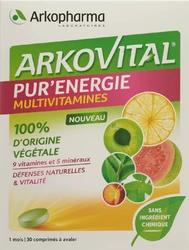
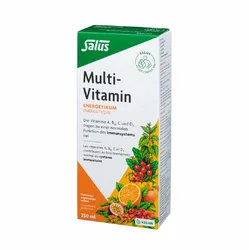
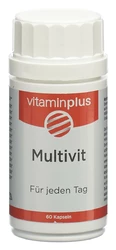
Multivitamin products are available in forms such as tablets, capsules, powders or drops . The dosage depends on the formulation and is usually designed for one or more daily intakes. As concentrations vary between products, selection should be tailored to individual needs.
What is in a multivitamin?
A multivitamin supplement is generally a broad combination of essential micronutrients assembled to complement daily nutrient intake. A high-quality product ideally covers the full range of the 13 known vitamins. These include the fat-soluble vitamins A, D, E and K as well as water-soluble vitamin C and the complete group of B vitamins (e.g. B1, B2, B6, B12, vitamin B9, biotin).
In addition, essential macrominerals and trace elements are included to support numerous bodily functions. Common examples are calcium and magnesium for bone and muscle function, zinc and selenium for immune support and cellular protection, as well as iron, copper, iodine, chromium, manganese and molybdenum for other important metabolic processes.
Some substances should not be included in multivitamin products because they are generally obtained in sufficient amounts from the daily diet. Examples include sodium, chloride, phosphorus and fluoride. These are not considered necessary components of such supplements.
What are the benefits of multivitamins?
Multivitamin supplements can support health in certain areas, especially when nutrient intake from food is inadequate. Studies show that targeted supplementation can have positive effects on the immune system as well as on cognitive and psychological functions.
For example, in older adults the use of multivitamins has been associated with a reduction in the frequency and duration of acute respiratory infections. Complaints such as headaches or functional limitations in daily life occurred less often, suggesting a stabilising effect on immune defence. Clinical data also indicate that certain nutrients can enhance mental performance. Regular use has been linked to improvements in short-term memory – particularly in people with increased needs or inadequate supply.
Emotional well-being may also benefit. In selected studies participants reported reductions in perceived stress and fatigue. These effects are attributed to an improved supply of essential micronutrients to the brain. Additionally, taking multivitamin and mineral supplements may be associated with a small but statistically significant reduction in systolic and diastolic blood pressure.
Some research suggests they might counteract age-related processes, for example by supporting cognitive function in older age. There is also evidence of potential benefits for skin, eyes and physical recovery, although these effects strongly depend on individual needs.
Are multivitamins healthy?
Multivitamins can make a valuable contribution to health, especially when it is difficult to obtain all essential micronutrients in sufficient amounts from food. However, even people who eat a balanced diet can have micronutrient gaps. Causes can include depleted soils, changes in food composition, or genetic differences in nutrient metabolism. In such cases multivitamin supplements offer a practical way to cover daily requirements.
Product quality is crucial. Preparations of natural origin, for example from plant sources, are often considered more bioavailable because they are more readily absorbed and utilised by the body. Compared with many synthetic products, they favour appropriate dosages to avoid overload of individual nutrients while still providing effective support for well-being.
When are multivitamin tablets important?
Multivitamin tablets can be useful when the body is not sufficiently supplied with essential nutrients. People who must avoid certain food groups – for example because of allergies, intolerances or special diets – are particularly affected. Those following vegetarian or vegan diets may be at risk of low intake of vitamin B12, iron or calcium and often benefit from targeted supplementation.
During life stages with higher needs, such as pregnancy, breastfeeding or older age, supplementation can help close critical nutrient gaps. Older adults often absorb vitamins and minerals less efficiently, while their needs for certain substances like vitamin D or calcium increase. Certain chronic diseases or medications can also impair nutrient absorption. In such cases, medically supervised supplementation may be advisable.
Finally, children, athletes or people after bariatric surgery often require additional vitamin support to ensure adequate intake. The decision to take supplements should always be individual and ideally made in consultation with healthcare professionals.
Can multivitamins cause side effects?
Multivitamin supplements are generally well tolerated when taken at the recommended dose. The vitamins and minerals they contain also occur in natural foods and are not inherently harmful to the body. Nevertheless, overdose – especially with highly dosed products or simultaneous intake of multiple supplements – can cause unwanted effects.
Fat-soluble vitamins such as A, D and E carry a risk of overdose when taken in excess because they are stored in the body. Excessive vitamin A intake can be toxic, increase the risk of birth defects or, in smokers, raise the risk of lung cancer. High amounts of vitamin D can also be problematic because they may raise blood calcium to dangerous levels. Similarly, large intakes of calcium and certain micronutrients like zinc, copper or selenium can be potentially harmful, particularly with long-term use.
Interactions with medications can also occur. Vitamin K can affect the effectiveness of blood thinners, iron can reduce the absorption of certain antibiotics, and taking omega-3 fatty acids together with anticoagulants can increase bleeding risk. Calcium may also interfere with the action of some medications.
How to get the best from multivitamins: helpful tips
- The best way to meet your daily vitamin needs is a healthy diet: eat about 400 g of vegetables, about 250 g of fruit, and whole grains and dairy products daily. Most vitamins are retained if you consume foods fresh, raw or steamed. It is also sensible to use cooking water during preparation, as some constituents pass into it.
- If you resort to dietary supplements, please note that they are not intended to replace a balanced diet. They contain vitamin concentrations typically corresponding to 0.5 to 2 times the daily nutrient requirement and can correct potential deficiencies, but they do not replace natural vitamin intake.
- Note that it is generally not advisable to cover 100 percent of nutrient needs exclusively with a multivitamin supplement, because foods also contribute vitamins.
- It is best to take multivitamins with a main meal. Avoid drinking coffee, tea or milk at the same time, as these beverages can hinder the absorption of vitamins by the body.
- It is important to take fat-soluble vitamins (whether from a supplement or from food) with sufficient fat. Otherwise the body cannot metabolise them properly. Water-soluble vitamins require a glass of water for good absorption.
- Multivitamins in tablet form are inexpensive, usually suitable for vegans and easy to dose, but they are often produced with unwanted additives.
- In capsule form, multivitamins are better protected, more stable and easier to swallow. They generally contain fewer additives, but capsule shells are often made of gelatin.
- Effervescent tablets are a good choice for people who have difficulty swallowing tablets or capsules. Their drawbacks can include added flavourings and aromas unless these are natural. The same applies to chewable or sucking tablets, which children often prefer because of the pleasant taste.
- Always follow the recommended intake and daily dose for multivitamins – especially for additives such as bioflavonoids, green-lipped mussel, emulsifiers or coating agents. If in doubt, consult a doctor to support your vitality in a targeted way.
- Choose products without unnecessary fillers and excipients, such as preservatives or anti-caking agents. If you have intolerances, choose gluten- and lactose-free supplements.
Multivitamin supplements can be a useful addition when dietary intake does not fully meet nutrient needs. However, it is important to use them purposefully and not as a substitute for a balanced lifestyle.


