Protein bars
The snack of Superman
editorial.overview
What are the benefits of protein bars?
Protein bars are snacks or dietary supplements with a high protein content. Proteins, also known as proteins, are essential macronutrients made up of amino acids and play a key role in building and repairing tissues, including muscles. Protein bars are a convenient way to increase protein intake, especially for people with an active lifestyle or those who cannot meet their protein needs through standard foods alone.
Protein bars offer a range of benefits that make them a popular choice. Their high protein content is important not only for professional athletes but also for recreational exercisers, as it provides energy and supports muscle maintenance and growth. Thanks to their long shelf life, they can be easily bought in bulk.
They are a quick and filling way to curb sudden cravings. In addition, they are portable snacks that fit easily into backpacks or jacket pockets and serve as a “healthier sweet treat". Protein bars are therefore versatile and can be eaten before or after training, at lunchtime, or simply between meals.
How much protein do protein bars contain?
Protein bars typically contain 10 to 20 grams of protein per serving, with some delivering an impressive 30 grams per bar. But it’s not only the protein content that stands out – many protein bars also boast micronutrients such as calcium, various B vitamins, potassium and iron.
The protein sources used can also vary: some rely on animal products like yogurt powder, milk or various milk proteins such as casein or whey, while others prefer plant-based alternatives like soy, pea or brown rice.
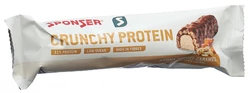

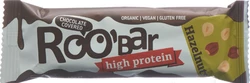
What types of protein bars are available for different dietary needs?
There is a wide variety of specialised protein bars, including sugar-free bars for those who want to reduce or avoid sugar intake, and low-carb bars suitable for a low-carbohydrate diet.
Vegan protein bars are made from plant-based protein sources such as pea, soy or hemp protein and may include ingredients like goji or acai berries. Some bars are even made from meat, for example beef, and are characterised by a particularly high protein content.
For people with gluten intolerance there are special gluten-free protein bars, and for lactose intolerance there are protein bars without lactose.
What should you watch for when choosing protein bars?
It is important to know, however, that not all protein bars can be considered healthy. Many conventional protein bars contain almost no natural ingredients anymore. Instead, they consist mainly of industrially processed soy or milk proteins, refined sugar, sweeteners, hardened fats (trans fats), artificial flavours and other harmful additives that, in the worst case, can even contribute to chronic diseases.
The nutritional values and ingredients of protein bars vary widely depending on the ingredients used and the brand. As a rule: the shorter the ingredient list, the better. Products with hard-to-pronounce ingredients should be avoided. Even if the packaging says “sugar-free", alternative sweeteners such as aspartame, saccharin and sucralose are often used – incidentally, terms like glucose, fructose, maltose, raffinose, dextrose and sucrose are different forms of sugar.
How and when should protein bars best be consumed?
Using protein bars makes sense under certain conditions, provided the ingredient list is checked carefully and the best option is selected. A thorough selection is necessary to ensure that the ingredients match one's nutritional goals. It is important to emphasise that protein bars are not an all-encompassing solution but should be regarded as an occasional supplement to a balanced diet.
Protein bars offer the flexibility to be eaten at any time of day. For athletic activity, consuming a protein bar immediately after exercise is optimal. At this stage muscles repair and grow, which can be supported by protein intake. This time window is often called the “anabolic window" and lasts about an hour after training. Alternatively, you can eat a bar before training if there are one to two hours until the start of the session. This supplies the body with the nutrients needed for exercise without starting with a full stomach.
Whether a protein bar is sufficient as a meal depends on personal preference, sex and individual satiety. Women can often stay full for several hours with a protein-rich bar, while men may eat several bars in succession. As a guideline, consuming 1 to 2 bars per day is acceptable. It is, however, important to stress that protein bars cannot replace a healthy and balanced meal, as they are primarily dietary supplements.
Selection and consumption of protein bars: useful tips
- Pay attention to the types of protein and prefer bars with high-quality protein sources such as whey protein or casein.
- Avoid bars with synthetic additives such as preservatives, artificial flavours and colourings.
- Remember that protein bars are useful but should not replace a meal.
- Check the protein content and choose bars with a higher protein content.
- Consider the difference between chocolate bars and protein bars: protein bars contain less fat and sugar but more protein and fibre.
- Check whether the protein source is animal or plant-based and whether it matches your dietary preferences.
- Make sure you drink enough fluids to support kidney function and to avoid dehydration when increasing protein intake.
- Avoid high temperatures, as these can melt the bars or alter their texture.
- Store your protein bars in a cool place to ensure their shelf life.
- Pay attention to how many calories the bar contains overall and how it fits into your daily calorie balance.
- Choose reliable brands and read customer reviews to ensure quality.
- Monitor your individual reaction to protein bars and how they affect your health and fitness goals.
- Use crushed protein bars as a topping for yoghurt, ice cream or muesli to add crunch and flavour.
- Make homemade protein bars. Combine healthy ingredients such as dates, dried fruit, nuts and seeds. You can also add protein powder.
Protein bars are a convenient way to increase dietary protein intake, especially for people with an active lifestyle. Protein bars can usefully complement your diet but should not replace a balanced meal. Check the ingredients and enjoy this nutritious alternative in moderation.