Rhodiola
This wonder root will lift your spirits
editorial.overview
What is Rhodiola (Rhodiola rosea)?
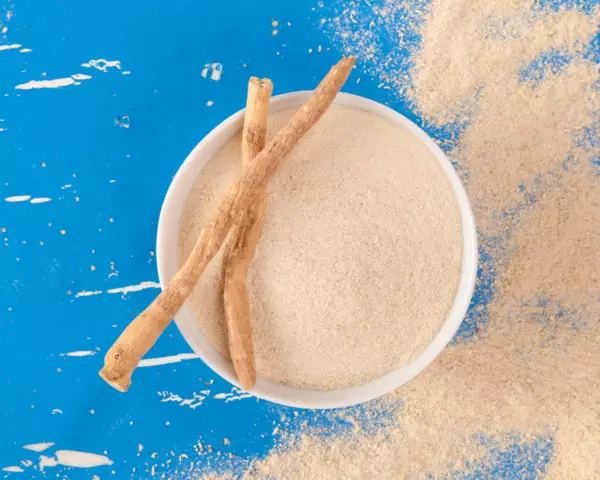
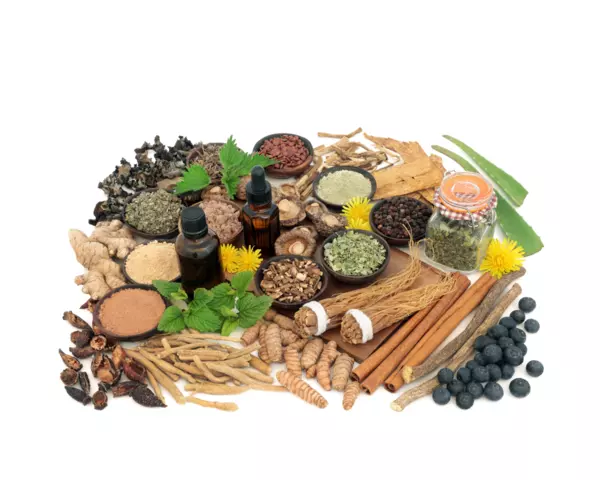
Rhodiola (Rhodiola rosea) is a remarkable medicinal plant that thrives in the harsh, sparse highlands of Europe and Asia. It belongs to the adaptogens – plants that help the body adapt better to stress and strengthen its resilience. Its invigorating effect on mind and body has been studied, particularly its ability to relieve mental fatigue and boost energy.
After the end of the Cold War its potential was recognised worldwide and scientific studies confirmed its various positive effects. Today Rhodiola rosea is mainly valued for its stress-reducing and performance-enhancing properties.
What are the benefits of Rhodiola?
Rhodiola is appreciated for a range of positive properties, especially its adaptive quality that helps the body cope better with stress and strain. It is said to not only increase overall well‑being but also to raise serotonin levels – a hormone often referred to as the “feel‑good hormone” that supports a balanced mood.
It is also credited with a supportive effect for fatigue, exhaustion and stress-related symptoms, which is why it is frequently used to enhance mental and physical performance. Early studies indicate that Rhodiola rosea may also have a positive role in psychological strains such as burnout or depression.
However, comprehensive scientific investigations are still lacking to conclusively confirm these effects. Possible positive effects on weight regulation, blood pressure or hormonal disorders are also discussed but require further research.
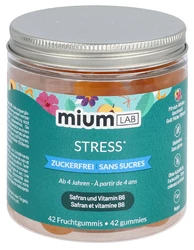
How does Rhodiola work with stress and overload?
It is regarded as a natural aid for the body to better handle stress and overload. As an adaptogen it helps to maintain the balance between tension and relaxation by regulating the body's stress response. Our nervous system consists of two counterparts: the sympathetic nervous system, which activates the body and prepares it for challenges, and the parasympathetic nervous system, which supports recovery and regeneration. Chronic stress throws this balance off – Rhodiola rosea acts here by harmonising both systems.
Furthermore, the medicinal plant is thought to influence the release of neurotransmitters such as serotonin and norepinephrine, which are crucial for mood, motivation and stress coping. Through this mechanism, Rhodiola may not only reduce stress symptoms but also improve overall well‑being and psychological resilience.
What active ingredients does Rhodiola rosea contain?
The root of Rhodiola rosea contains a variety of valuable constituents responsible for its health-promoting properties. Particularly important are the flavonoids, which as powerful antioxidants can protect cells from harmful free radicals. Organic acids are also present, supporting metabolism and contributing to general vitality.
A special role is played by the phenolic glycosides, including rosavins, salidroside and tyrosol. These secondary plant compounds have antioxidant, immunomodulating and antimicrobial properties that can strengthen the immune system and counteract inflammation. The rosavins, which include rosarin, rosavin and rosin, are unique to Rhodiola rosea and are often used to standardise extracts.
In addition, Rhodiola contains tannins, known for their astringent and tissue-protective effects. This combination of bioactive constituents makes Rhodiola rosea a distinctive medicinal plant that can support the organism naturally.
What side effects can Rhodiola extracts cause?
Rhodiola extracts are generally well tolerated and side effects are rare. Nonetheless, in isolated cases dizziness, headache, insomnia or dry mouth may occur. Some people also report increased salivation or slight irritability, particularly at higher dosages of 1.5 to 2 g per day. Because of its mildly stimulating effect, it is recommended to take Rhodiola rosea in the morning or before midday to avoid sleep disturbances.
An important aspect is the possible influence on the immune system. Since Rhodiola can stimulate the body's defenses, people with autoimmune diseases such as multiple sclerosis or rheumatoid arthritis should be cautious, as symptoms may worsen. Potential interactions with medications, especially antidepressants, cannot be ruled out – prior consultation with a physician or healthcare practitioner is therefore advisable.
For pregnant or breastfeeding women and children there are not yet sufficient studies on safety, so these groups should avoid Rhodiola rosea. Sugar and caffeine should also be avoided during intake as they can affect efficacy. Overall Rhodiola appears to be a well‑tolerated natural remedy, but as with all herbal preparations the correct dosage and individual tolerance are decisive.
How is Rhodiola best taken?
The optimal use of Rhodiola rosea depends on personal goals and individual tolerance. Generally the recommended daily dose is between 200 and 600 mg of standardized Rhodiola extract, split into two portions. It is often taken in capsule form, allowing precise dosing and protecting the active constituents until they reach the body. Intake is ideally in the morning before breakfast and before lunch, approximately 20 to 30 minutes before meals. This enables the body to absorb the active constituents particularly well.
Since Rhodiola rosea can be stimulating, it should not be taken in the evening to avoid sleep disorders. First‑time users should start with a low initial dose of 100 mg to test personal tolerance. Most people benefit from 300 to 400 mg daily, while higher doses up to 600 mg are more commonly used for exhaustion or pronounced fatigue. The daily dose of 680 mg should not be exceeded.
For athletes a dosage of 100 to 200 mg twice daily is recommended to support performance. Those who want to use Rhodiola merely to prevent tiredness can already notice positive effects with 50 mg per day. It is important to tailor intake to individual needs.
How long does it take for Rhodiola extract to take effect?
Rhodiola extract can act surprisingly quickly – often already 30 minutes after ingestion. Many people report feeling more awake, focused and energised. This invigorating effect generally lasts 4 to 6 hours, which is why Rhodiola is especially popular for short‑term enhancement of mental and physical performance.
The exact onset of action depends on individual factors such as metabolism, dosage and personal sensitivity. While some feel the effect immediately, for others it may take several days or weeks of regular use before a noticeable improvement in well‑being occurs. In particular for prolonged stress or exhaustion, Rhodiola often provides effective support only after several weeks.
Rhodiola extract: how to use it correctly
- Rhodiola has a stimulating effect and can positively influence energy balance. To avoid sleep disturbances, take it in the morning and at midday on an empty stomach, but not in the evening.
- Take Rhodiola rosea ideally 30 minutes before breakfast or lunch. This improves absorption of the valuable constituents and allows the full effect to unfold.
- The recommended daily dose ranges from 200 to 600 mg depending on needs. Start with a low dose (eg. 100 mg) and increase slowly to find the optimal amount for you.
- Rhodiola is typically taken in courses of up to four months. Afterwards you should take at least one month off to avoid diminishing effects or possible side effects.
- Rhodiola rosea can interact with medications, especially antidepressants or other psychoactive substances. Consult your doctor or pharmacist before starting.
- Pregnant or breastfeeding women, children and adolescents under 18 should not take Rhodiola rosea due to lack of long‑term studies. Caution is also advised in cases of impaired liver or kidney function.
- Look for high‑quality, standardized products with 3% rosavin and 0.8–1% salidroside. This composition has been studied and shows the best efficacy.
- Rhodiola rosea is generally well tolerated but can in rare cases cause dizziness, dry mouth or gastrointestinal complaints. If these symptoms occur, reduce the dose or discontinue use. As a dietary supplement, use should be targeted and discussed with a healthcare professional, especially with pre‑existing conditions or concurrent medication.
- To ensure optimal effect, do not take Rhodiola rosea together with caffeine or sugary foods, as this may weaken the effects.
- Everyone reacts differently to herbal preparations. If you feel unwell or do not experience a positive effect, reconsider use and discuss with a specialist if necessary.
Rhodiola is a versatile medicinal plant valued for its stress‑reducing and performance‑enhancing properties. It not only strengthens mental resilience but also supports the immune system and physical energy. Thanks to its adaptive action, it can be a natural aid in daily life to better cope with demands.