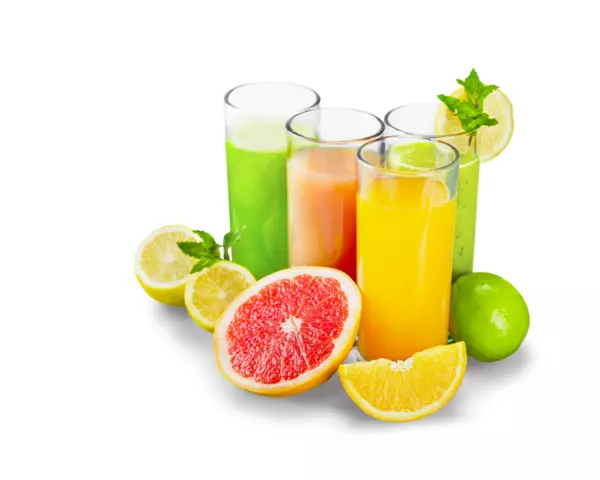

Soft drinks
This will refresh you — and in a healthy way
What are soft drinks?
Soft drinks are non‑alcoholic, water‑based beverages that are often enriched with sugar, flavourings and other taste‑giving ingredients.
Lemonades are probably the best‑known soft drinks. They traditionally consist of water, sugar and citric acid, complemented by natural or artificial flavours. Sugar content varies widely. Sodas, by contrast, are known for their high carbonation and are often coloured and flavoured with substances that are not always of natural origin.
Spritzers, a mix of juice and water, often sparkling, are particularly popular. They are considered a healthier alternative among soft drinks because they contain natural fruit juices and can have less sugar than lemonades. There are no strict rules on fruit content, which increases diversity in this segment.
Energy drinks are characterised by a high caffeine content and often include additional ingredients such as taurine that promise a quick boost of energy and alertness. They are especially popular with younger consumers seeking a fast energy lift.

Why are soft drinks so popular?
One main reason for the popularity of soft drinks is their refreshing character, created by the combination of sweetness—often from added sugar or sweeteners—and carbonation, which provides the fizz. These elements appeal to many people’s taste and make these beverages particularly attractive in hot weather or after physical exertion.
The wide range of flavours and variants, from classic lemonades and cola to fruit‑juice drinks and energy drinks, offers something for every palate and contributes to their lasting popularity. Marketing strategies aimed at younger and trend‑conscious audiences also convey an attractive image that further fuels consumption.
Another important aspect is convenience. Soft drinks are widely available and easy to access, from supermarkets and restaurants to vending machines in public places. Their ready‑to‑drink packaging makes them a quick and simple solution for thirst on the go.
What is an isotonic drink?
Isotonic drinks are fluids specifically formulated to quickly replace fluids and electrolytes lost from the body after physical activity. They are characterised by an osmotic pressure similar to that of human blood, which favours rapid absorption into the body.
Typically, isotonic drinks contain water, electrolytes such as sodium and potassium, and carbohydrates in the form of sugars that provide quick energy. This combination helps to restore fluid and electrolyte balance rapidly, supports muscle recovery and reduces post‑exercise fatigue symptoms.
Isotonic drinks are particularly valued by endurance athletes because they help maintain performance and hydration over a longer period. They are ideal for training sessions or competitions lasting more than an hour, when large amounts of fluids and electrolytes are lost through sweat.
Despite their benefits, isotonic drinks also have drawbacks. Commercial versions often contain high amounts of sugar and artificial additives, which, if consumed excessively, can lead to health issues such as weight gain and blood sugar fluctuations. They are also frequently more expensive than plain water or natural alternatives and may trigger intolerance reactions in sensitive individuals.
What does mineral water contain?
Mineral water contains a range of minerals and other components that it picks up on its way through various rock layers. The exact composition of mineral water varies depending on its source and the strata it passes through, leading to differences in mineral content and taste.
Common components of mineral water include calcium and magnesium, which are important for bone and muscle function, and sodium and potassium, which are necessary for regulating fluid balance and nerve function.
Chloride, sulfate and bicarbonate contribute to the electrolyte balance and influence the water’s pH.Trace elements such as silica and fluoride provide additional health benefits for digestion, liver function and dental health.
These constituents are present in varying concentrations depending on the origin of the mineral water. The minerals not only give mineral water its distinctive taste but also offer health benefits and support hydration.
Which additives are most common in soft drinks?
Typical additions in soft drinks include water, usually in the form of drinking, mineral, spring or table water. For flavour, fruit juices, herbal extracts or sugar‑based concentrates and fruit extracts are often used.
Sweetness in these drinks often comes from different types of sugars such as table sugar, agave syrup or fruit sugar (fructose). These ingredients represent a combination of natural and added components that determine the flavour and sweetness of the beverages.
How much sugar is in soft drinks?
Soft drinks often contain far more sugar than people realise. Sugar content varies greatly by product and brand. Studies by the Food and Veterinary Institute Hanover/Braunschweig found that fruit‑juice drinks can contain up to 81.5 grams of sugar per litre, while sugared cola drinks have tended to show slightly lower sugar levels in recent years.
For example, a 200‑millilitre bottle of a common cola‑mix drink contains around 17 grams of sugar, which corresponds to about 5.7 sugar cubes. Similar values are found in drinks such as Capri‑Sun or Lipton Ice Tea.
What is in energy drinks?
Energy drinks are known for their stimulating effects and contain a variety of ingredients that support these properties. Caffeine is the main active ingredient in energy drinks and is responsible for the energising effect. A typical can contains about 80 mg of caffeine, roughly the amount in a cup of coffee. Caffeine increases alertness and reduces tiredness but can, in excessive amounts, cause nervousness, headaches or insomnia.
Another common ingredient in many energy drinks is taurine. It is an amino acid naturally present in the human body and found in foods such as fish and poultry. Taurine is often added artificially to energy drinks and is known for its antioxidant properties, although the exact benefits of taurine in the context of energy drinks are still debated.
Many energy drinks contain high amounts of sugar to provide energy and improve taste. For example, Red Bull contains 11 g of sugar per 100 ml, which is comparable to the sugar content of many fruit juices.
B vitamins are important for energy production in the body and are frequently included in energy drinks. These include vitamins such as niacin (B3), pantothenic acid (B5), pyridoxine (B6) and cobalamin (B12), which help reduce fatigue and support mental performance.
Additionally, substances such as glucuronolactone, found in connective tissue, inositol, often referred to as “muscle sugar”, as well as various flavourings and colourings may be present. Glucuronolactone is often added for its alleged detoxifying effect, while inositol may have the potential to improve cellular signalling.
Refreshing through the summer: practical tips
- Avoid drinks high in sugar such as lemonades or sweet cocktails, as they can contribute to weight gain. Water, unsweetened tea or coffee are healthier alternatives.
- Watch portion sizes for fruit juices. Even 100‑percent fruit juices are high in sugar. The recommendation is to limit intake to no more than one portion (120 ml) per day to control sugar consumption.
- Eat less salt. A high salt intake can increase thirst and make it harder to control fluid intake.
- Make homemade lemonades. They are refreshing and offer a healthy alternative to purchased lemonades with high sugar content
- Experiment with infused waters. Instead of buying flavoured waters that often contain additives, add fresh fruit, cucumber or herbs like mint or basil to your water for a refreshing taste without artificial additives.
- Use spices and herbs. Spices like ginger and turmeric or herbs such as lavender and rosemary can not only provide a unique flavour but also health benefits like anti‑inflammatory properties.
- Keep drinks cool. Icy beverages are especially refreshing on warm days and help regulate body temperature.
- Reduce consumption of carbonated drinks. Regular consumption can lead to dental erosion and other health issues. Try sparkling mineral water with a squeeze of lemon or lime instead.
- Maintain hydration with water‑rich beverages. Drinks like cucumber water or watermelon smoothies are not only refreshing but also naturally support hydration.
- Make your own iced tea. Instead of buying sweet, ready‑made iced teas, brew black or green tea and chill it with fresh mint and lemon. It’s a refreshing and healthy alternative.
Soft drinks offer a variety of flavours for different tastes but are often high in sugar and other additives. Moderate consumption of soft drinks can be part of a balanced diet; however, it is recommended to opt for healthier alternatives such as water or unsweetened teas.