
Stomach complaints
It stings, it presses and it burns
What are stomach pains and how do they present?
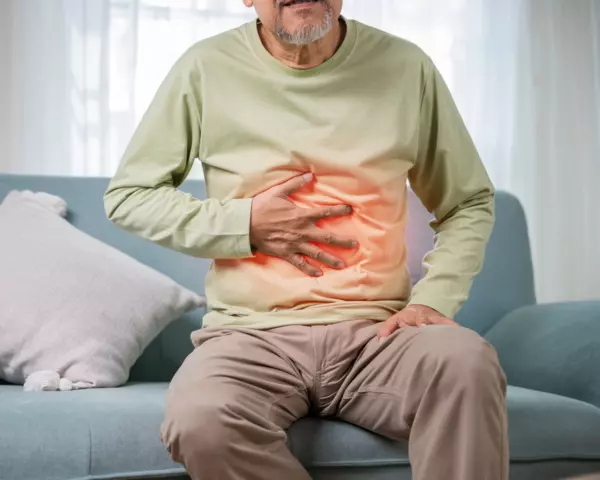
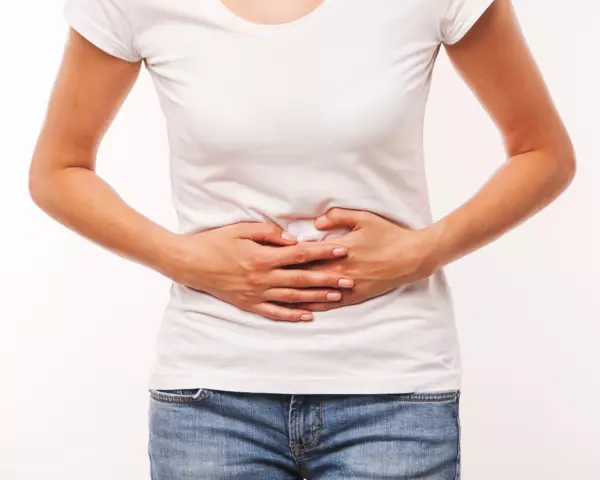
Many people experience stomach pain from time to time. Sometimes it is unclear what exactly is causing the pain, and it is not always obvious whether the pain originates in the stomach itself or in another area of the abdominal cavity. Stomach pain is a varied symptom with different sensations such as stabbing, sharp, burning, pressing or cramp‑like pain.
The term “stomach pain” or “gastralgia” covers a broad range of pain that can manifest in the stomach area (often in the upper abdomen). It can be long‑lasting or short‑lived. When it occurs acutely and in waves, it is also referred to as abdominal cramps.
To find the cause, it is important to determine whether the pain is stabbing, dull, pulling or cramp‑like and exactly where it is located. Many vital organs are housed in the abdominal cavity. If these organs are inflamed or obstructed, pain can result. Therefore it is important to know precisely where the pain is. Stomach pain differs from general abdominal pain in that it is often located in the middle or upper left area of the abdomen.
Pain in the upper abdomen suggests that the source may be organs such as the stomach, duodenum, pancreas, gallbladder or liver. Even heart problems can sometimes present as abdominal pain.
Pain in the lower abdomen is usually a sign of problems with the intestines and the digestive tract. In some cases, urinary tract infections or (in women) problems with the ovaries and uterus may cause lower abdominal pain. Depending on the suspected cause, your doctor can then use appropriate diagnostic procedures to find out where your abdominal pain comes from.
Depending on the cause, stomach pain often does not occur in isolation but is accompanied by other symptoms. It is important to pay close attention to how you feel during an episode of stomach pain, as additional complaints can help identify the cause. Common accompanying symptoms include nausea, a feeling of fullness, heartburn, diarrhoea or constipation, bloody diarrhoea, fatigue and fever. In general, our digestive system reacts sensitively to various factors such as diet, stress, biorhythm, hormonal fluctuations, etc. That is why even small routine changes can trigger abdominal pain.
Often stomach pain is relatively harmless and triggered by stress or poor diet, but serious conditions can also be behind it.



Which factors and foods can trigger or worsen stomach pain?
The stomach lining is particularly irritated by certain foods and indulgences. These include fatty or highly spiced foods, alcohol consumption, smoking and excessive intake of carbonated drinks. These factors can lead to increased gastric acid production and cause pain, bloating, heartburn or increased belching.
Food intolerances such as lactose intolerance, fructose intolerance or gluten sensitivity can also trigger stomach cramps and diarrhoea. In addition, eating too quickly or hurriedly, for example eating on the go, is known to cause stomach problems.
How do infections, medications and stress affect stomach pain?
Many pathogens (for example rotavirus or norovirus, salmonella, campylobacter) can enter our digestive tract through food and cause cramp‑like abdominal pain. In infections, these pains are often accompanied by symptoms such as diarrhoea, nausea, vomiting and sometimes fever. In many cases, medications can also cause stomach discomfort: stomach pain is among the most frequently reported side effects of drugs.
Chronic stress from psychological strain in everyday life can also affect the stomach and lead to acute stomach pain. The digestive tract, including the stomach, is closely connected to the brain and the body's hormonal system. For this reason any form of stress can lead to stomach reactions, such as impaired muscular activity of the stomach, reduced secretion of digestive juices or increased sensitivity. Stress can inhibit stomach activity, which sufferers often describe as a “stone in the stomach”.
When should you see a doctor?
If symptoms in the gastrointestinal tract recur and persist for several weeks, it may be a case of functional dyspepsia or irritable bowel syndrome. In such cases it is advisable to consult a doctor and discuss appropriate treatment.
Measures you can take yourself for abdominal pain: best tips and tricks
- Treatment options for stomach pain depend on the underlying cause. Any existing preconditions will also be taken into account when examining and assessing the stomach pain.
- If you experience mild cramp‑like abdominal pain or the typical stomach rumbling after a heavy meal or during stressful periods, there is usually no need to worry. This kind of stomach pain can often be relieved effectively with home remedies.
- Many people find warm tea particularly soothing for an irritated stomach lining. Herbs with antispasmodic and anti‑inflammatory properties include sage, chamomile, fennel, anise, caraway and lemon balm. A herbal blend specifically aimed at calming the stomach can also be helpful.
- Oat porridge coats the digestive tract and is particularly suitable for inflammation of the stomach lining or as a first meal after a gastrointestinal infection. In this case it is important to cook the oats as long as possible with plenty of water. If you still have difficulty tolerating solid food, an oat‑based soup is a good alternative to classic porridge. Rice or potato soups cooked for a long time can also work wonders for the stomach.
- If the abdomen hurts after a heavy meal, bitter substances can help stimulate digestion. They increase production of gastric juice, bile and pancreatic secretions. Bitters are found in chard and spinach, grasses, dandelion, nettle and ground‑ivy, turmeric, mustard seed, thyme, tarragon, artichoke and ginger. Bitter drops are also available in pharmacies and can be taken daily before or after meals to support digestion.
- A hot water bottle on the abdomen is not only pleasant but also healing. Heat relaxes the muscles and can help with abdominal cramps. A warm full bath can also provide additional relaxation.
- A warm, moist abdominal compress with chamomile has pain‑relieving, antispasmodic and relaxing effects. For the compress, pour one to two tablespoons of chamomile flowers over half a litre of boiling water. Let the tea steep for up to five minutes and then strain off the plant material through a sieve. Take a tea towel and roll it with a second cloth to form a compress. Dip this compress into the hot chamomile tea and wring it out. Then place the inner cloth flat on the abdomen and wrap with a dry towel. The application time for the chamomile compress on the abdomen should be 20 to 30 minutes.
- A gentle abdominal massage with essential oils can also have a positive effect on digestion and soothe an irritated digestive tract. The following oils are used: thyme, eucalyptus, cardamom, geranium, ginger, peppermint, coriander seed. All variants have a pleasant scent and help the stomach better cope with the current burden. In particular, caraway oil is well suited to treating stomach problems because its active ingredients are absorbed through the skin.
- Medicinal clay is a remedy for binding excess stomach acid and calming the stomach lining. About a teaspoon of medicinal clay is stirred into half a glass of water and swallowed.
- For heartburn and acid reflux, a tablespoon of apple cider vinegar in a glass of water can relieve the symptoms. Despite its acidic taste, apple cider vinegar is alkaline. Bananas also contain natural antacids that help neutralise excess stomach acid and relieve heartburn.
- Honey helps with stomach pain because it can have a supportive effect on the stomach lining. A tablespoon of cold‑extracted, natural honey can therefore be taken on an empty stomach before bedtime.
- Fresh potato juice soothes the stomach lining and relieves irritation in the stomach area. It is beneficial for the digestive tract that resistant starch forms as the potatoes cool. Vinegar‑and‑oil dressings are also easy to digest.
- Eating slowly and mindfully, chewing properly and ensuring that digestion begins optimally in the mouth helps you feel full earlier and avoid taking in portions that are too large. To avoid overloading the digestive tract with too much food at once, it may also be helpful to eat several small portions spread throughout the day.
- Coffee, cigarettes, alcohol: all these indulgences are not particularly helpful for our digestive tract and can lead to irritation and overload. If you regularly suffer from stomach complaints, you should reduce consumption of such products where possible. As for coffee, you could try to find a variety that suits you better.
- Drinking enough fluids is also essential for good digestion and nutrient absorption. Without sufficient fluid intake digestion stalls. The consequences range from uncomfortable pressure sensations in the abdomen to constipation.
- It may seem odd at first, but wearing tight clothing can be detrimental to digestion. Organ function can be impaired by a tight waistband or, more generally, by clothing that constricts the abdominal area. When you have abdominal pain it is far better to wear loose, comfortable clothing.
- Your digestion stays active if you move regularly and do moderate exercise. Physical activity also helps reduce stress. Especially for stomach problems related to psychological stress, integrating movement and relaxation exercises into daily life is therefore advisable.
- However, if the pain persists for days, is accompanied by high fever, a hard, painful abdominal wall, or blood in the stool or vomit, you should seek urgent medical examination.
To prevent stomach pain from occurring in the first place, you can introduce small habits into your daily routine that are good for the digestive tract. So listen to your body and take it seriously if it signals with abdominal pain that something is wrong!