

Vitamin E
This antioxidant will protect you
editorial.overview
What is vitamin E (alpha‑tocopherol)?
Vitamin E is not a single substance but an umbrella term for a group of fat‑soluble compounds known as tocopherols. Alpha‑tocopherol is the most active and best‑researched form of vitamin E. It occurs naturally in foods such as vegetable oils, nuts and green leafy vegetables, and is also found in synthetic dietary supplements and skincare products.
In cosmetics, alpha‑tocopherol is a real multitasker. It protects the skin from harmful free radicals, helps retain moisture and can reduce visible signs of skin aging. That is why it is a popular ingredient in anti‑age products and moisturisers.
What function does vitamin E have in the body?
Vitamin E performs several important roles in the body – the best known being the protection of cells from so‑called free radicals. These aggressive molecules are generated by external factors such as UV radiation, environmental toxins or stress and can attack cellular structures. Vitamin E counters this by neutralising harmful agents and thus protecting cell membranes from damage – especially in sensitive organs such as the brain, eyes and muscles.
In addition to its antioxidant role, vitamin E is also credited with anti‑inflammatory, immune‑supporting and blood‑thinning functions. Recent research is also investigating whether certain forms of vitamin E – for example tocotrienols – might be even more effective in chronic inflammation or cardiovascular disease. What is clear is that vitamin E is a central part of the body's defence system and supports health in many ways.
What effect does vitamin E have on the skin?
Topical vitamin E offers a range of beneficial effects on the epidermis. It is one of the most effective antioxidants used in skincare and protects cells from harmful free radicals produced by UV exposure or environmental stressors. As a result, it can counteract premature skin ageing and visibly reduce wrinkles.
Moreover, vitamin E strengthens the skin's natural barrier and improves moisture levels – both in the outer and deeper skin layers. This makes the skin smoother, plumper and more elastic. At the same time it can soothe inflammation, reduce itching and support wound healing, which can also have a positive effect on scar formation.
It also helps with blemished skin and acne. It regulates sebum production, has anti‑inflammatory properties and can refine the skin's appearance. Even for pigmentation spots it has proven useful, as it stimulates microcirculation and promotes cell renewal. Stretch marks – for example during pregnancy – can also be improved by regular application of a vitamin E oil.
Vitamin E is particularly effective in combination with moisturising ingredients such as shea butter or hyaluronic acid – for example in specialised serums, creams or lip balms. It is suitable for all skin types, including sensitive or dry skin, and contributes to a healthy, even and protected complexion.
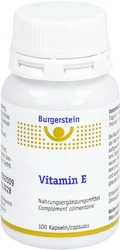
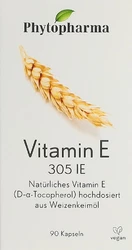
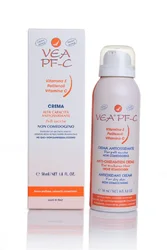
Does vitamin E protect against cancer and heart attacks?
Vitamin E is often presented as a versatile protective vitamin – for a long time it was seen as a hopeful candidate for preventing cancer and heart attacks. However, according to the latest scientific evidence, this is not the case.
In fact, only one health claim for vitamin E is officially authorised: “Vitamin E contributes to the protection of cells from oxidative stress.” This cellular protection could theoretically play a role in the prevention of chronic diseases, but direct links to preventing cancer or heart attacks have not been clearly established.
In the 1990s, numerous studies were conducted to investigate this. The outcome was disappointing. It could not be conclusively shown that vitamin E – especially in the form of supplements – significantly reduces the risk of cardiovascular disease, type 2 diabetes or cancer. It is likely that vitamin E works better as part of the natural mix of nutrients in food than in isolated form.
More promising are recent studies on certain applications, such as inflammatory fatty liver or possibly in Alzheimer's patients. Nevertheless, taking high‑dose vitamin E supplements should always be discussed with a physician – a healthy, balanced diet remains the best source of natural cellular protection.
Daily requirement: how much vitamin E does the body need?
The daily requirement for vitamin E is small but essential for health. Reference intakes vary by age, sex and life stage. Adult women require on average about 12 milligrams of vitamin E per day, men about 14 milligrams. During pregnancy the requirement increases slightly to 13 milligrams, while breastfeeding women have the highest requirement at around 17 milligrams per day.
Children and adolescents also require amounts adapted to their developmental stage – starting at about 5 milligrams in early childhood up to 15 milligrams in older adolescents.
How does a vitamin E deficiency present?
A true vitamin E deficiency is rare in healthy people – mainly because this fat‑soluble vitamin is present in many foods and the body needs only small amounts. It becomes critical when fat absorption in the intestine is impaired – for example in chronic conditions such as Crohn's disease, coeliac disease, cystic fibrosis or pancreatitis. Without sufficient fat, vitamin E cannot be absorbed properly.
An early deficiency often manifests in a non‑specific way. Affected individuals complain of irritability, nervousness or general fatigue. If the deficiency goes undetected and persists over a long period, it can have serious consequences for the nervous system and muscles. Typical symptoms then include sensory disturbances in the arms and legs, coordination problems, muscle weakness and even visual disturbances. A weakened immune system may also indicate a long‑term vitamin E deficiency.
Which foods contain vitamin E?
Vitamin E is not a single substance but a group of fat‑soluble compounds, of which alpha‑tocopherol is the most important for humans. Since it is produced exclusively by plants, the best natural sources come mainly from the plant kingdom.
Vegetable oils are particularly rich in vitamin E – foremost wheat germ oil, which at around 174 mg per 100 g is a true leader. Sunflower oil, safflower oil, rapeseed oil and olive oil also provide considerable amounts. These oils are not only excellent sources of vitamin E but also contain valuable unsaturated fatty acids that benefit heart and circulation. In addition, almonds, hazelnuts, pine nuts and sunflower seeds have high concentrations of this valuable antioxidant.
Certain vegetables such as spinach, asparagus and sweet potatoes also contain vitamin E. Via the food chain, vitamin E is present in small amounts in some animal products such as eggs, butter or liver.
Vitamin E is also used as an additive (E 306–309) in many processed foods like margarine or ready desserts, where it serves both as a nutritional supplement and as a natural preservative against fat rancidity.
Vitamin E: how to use the cell‑protecting vitamin correctly
- Pay attention to vegetable oils. Wheat germ oil, sunflower oil and rapeseed oil are among the best natural sources of vitamin E. Just one tablespoon of a quality oil per day can contribute significantly to meeting your needs – without supplements.
- Prefer natural sources. The body utilises natural alpha‑tocopherol better than the synthetic form often found in supplements. Therefore choose real foods rather than isolated preparations.
- Store oils correctly. Vitamin E is sensitive to light and oxygen. Keep vegetable oils in a cool, dark place and well sealed. A rancid smell indicates the vitamin has already been destroyed.
- Choose the right preparation. Heat vitamin‑E‑rich foods gently. Steaming or poaching is better than high‑temperature frying to preserve valuable constituents.
- Don't rely on pills. Studies show that high‑dose vitamin E supplements often provide no additional benefit – except where medically indicated. A balanced diet is usually the best solution.
- Combine antioxidants. Vitamin E works particularly well in combination with vitamin C, beta‑carotene or selenium. This combination strengthens cellular defence and helps the body cope with oxidative stress.
- Check for drug interactions. If you take anticoagulants, vitamin E can affect their action. Always consult your doctor before using supplements.
- Test new skincare products cautiously. Although vitamin E is generally well tolerated in cosmetics, impurities or additives can trigger allergic reactions. Test new products on a small skin area first.
- Allow a time gap with iron supplements. If you also take iron, wait at least two hours before taking vitamin E. The two can interfere with each other's absorption.
- During special life stages such as pregnancy and breastfeeding, vitamin E requirements increase. Pay particular attention to vitamin‑rich foods like nuts, oils and green vegetables.
- Vitamin E combined with hyaluronic acid or vitamin C improves skin hydration, smooths fine lines and protects against photo‑induced skin ageing. Moisturise regularly – especially if you have dry or sensitive skin. For targeted care, vitamin E drops can be used. Some pharmacy products offer pure alpha‑tocopherol in drop form, which can be applied directly to the skin or mixed with your usual day cream.
Vitamin E is a versatile antioxidant that protects the body from cellular damage and plays an important role for skin, the immune system and nerves. A balanced diet with oils, nuts and green vegetables is usually sufficient to meet daily needs. Supplements are generally only useful in special cases – quality and correct dosage are decisive.


