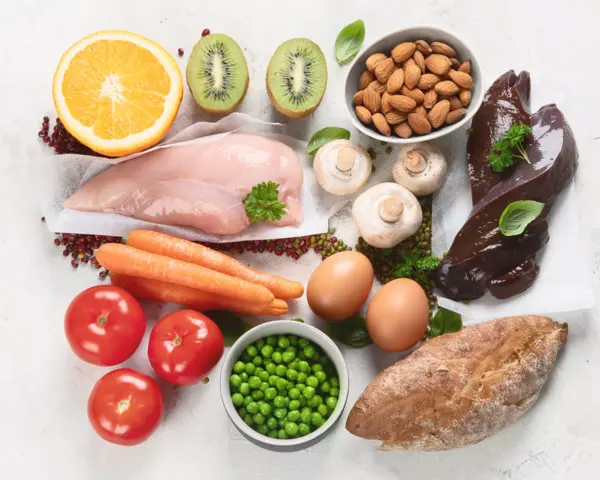
Vitamin K
This vitamin is really good for your heart
What does the body need vitamin K for?
Vitamin K is essential to the body because it is involved in many vital processes. Its most important role is blood coagulation. Without this vitamin, the body cannot produce clotting factors, so even minor injuries can lead to uncontrolled bleeding.
But vitamin K does much more. It protects blood vessels and cartilage from calcification and plays a crucial role in cell division and in repair processes in various organs such as the eyes, kidneys, liver and nerve cells.
The vitamin is particularly important for women after menopause, as it inhibits bone loss and can therefore reduce the risk of osteoporosis.
Research has also made an intriguing discovery: vitamin K can protect cells from programmed cell death (ferroptosis) – a mechanism involved, among other things, in degenerative diseases such as Alzheimer’s or osteoarthritis. This means the vitamin could potentially offer therapeutic approaches for such conditions in the future.
What effect does vitamin K have on the bones?
It is required for the formation of osteocalcin, a protein that serves as a scaffold for bone mineralisation. This protein enables the body to deposit calcium into the bones in a targeted way, thereby promoting their stability. If vitamin K is lacking, this process can be impaired, which over time can lead to lower bone density and an increased risk of fractures.
Especially in osteoporosis or after bone fractures, increased vitamin K intake can help to speed up bone rebuilding and reduce calcium loss. Studies indicate that adequate supply of this vitamin can reduce the risk of bone fractures. Vitamin K thus complements the action of calcium and vitamin D and makes an important contribution to bone health.
How can a vitamin K deficiency be recognised?
A deficiency in vitamin K primarily shows up as impaired blood coagulation. Typical signs include increased bruising, frequent nosebleeds or prolonged bleeding even from small injuries. In severe cases, internal bleeding can occur, indicated by bloody vomiting, blood in the urine or unusually dark stools. A deficiency is especially dangerous in newborns, as it increases the risk of life‑threatening brain haemorrhages.
Long‑term under‑supply also harms bone health. Vitamin K is important for bone metabolism; a deficiency can affect the stability of the bones and increase the risk of osteoporosis and bone fractures .
What causes vitamin K deficiency?
A vitamin K deficit can have several causes and is often related to diet or the body’s ability to absorb nutrients. A monotonous, vitamin K‑poor diet, especially a very low‑fat diet, can lead to deficiency because the fat‑soluble vitamin K is best absorbed together with fat. Certain conditions that impair fat digestion, such as bile duct obstruction or cystic fibrosis, can also hamper vitamin K absorption.
In addition, certain medications can disturb vitamin K balance. Some antibiotics affect the gut flora, which normally produces vitamin K, and antiepileptic drugs can interfere with vitamin K metabolism. Excessive consumption of mineral oils can also be problematic as it inhibits absorption of this essential nutrient.
Newborns are at particular risk of vitamin K deficiency because they receive only small amounts from the mother during pregnancy. They also lack a developed gut flora in the first days of life that could contribute to endogenous vitamin K production. For this reason, newborns are often given a prophylactic dose of vitamin K to prevent dangerous bleeding.
Which foods contain vitamin K?
Vitamin K is present in many plant foods, especially green vegetables and certain oils. Foods particularly rich in this essential nutrient include green vegetables such as kale (817 µg/100 g), spinach (305 µg/100 g) and lettuce (109 µg/100 g). Brassicas like broccoli (raw: 155 µg/100 g, cooked: 270 µg/100 g) and Brussels sprouts (236 µg/100 g) also provide large amounts. Fresh herbs such as chives (380 µg/100 g) and watercress (250 µg/100 g) are good vitamin K sources as well.
In addition to vegetables, legumes play an important role. Chickpeas (264 µg/100 g), mung beans (170 µg/100 g) and lentils (123 µg/100 g) contain notable amounts. If you prefer to cover your needs via fats, high‑quality vegetable oils also contain substantial vitamin K – for example grapeseed oil (280 µg/100 g), rapeseed oil (150 µg/100 g) or soybean oil (138 µg/100 g).
Vitamin K: how to use it optimally for your health
- Because vitamin K is fat‑soluble, the body can only use it optimally when it is consumed with fatty foods. Combine vitamin K‑rich foods like spinach or broccoli with a drizzle of high‑quality oil or an avocado.
- Although vitamin K is important, excessive dosing can be problematic. Overdosing may cause unwanted clotting disorders, so you should stick to recommended amounts. Taking vitamin K supplements should always be discussed with a doctor.
- If you are taking blood‑thinning medications, monitor your vitamin K intake carefully. Sudden changes in vitamin K consumption can affect the action of these drugs. Medical advice is essential to avoid unexpected health risks.
- Be aware of the difference between vitamin K1 and K2. Vitamin K1 is found mainly in green vegetables, while vitamin K2 occurs in fermented foods and certain cheeses. K2 stays in the body longer and can be particularly beneficial for bone health.
- Think about your heart health. Vitamin K helps regulate calcium metabolism and may help reduce calcification in the arteries. Adequate intake can lower the occurrence of atherosclerosis and cardiovascular disease.
- Early studies show that vitamin K can improve insulin sensitivity and therefore may have a protective effect against type‑2 diabetes. Make sure you have adequate intake.
- During pregnancy and breastfeeding, sufficient vitamin K intake is essential. While requirements are not necessarily higher, a steady supply from natural sources can help reduce coagulation problems in the newborn.
- Daily vitamin K requirements vary by age and sex. Adults typically need about 70–120 µg per day, while requirements for pregnant or lactating women may be slightly higher. A balanced diet rich in green vegetables and high‑quality oils can help meet these needs.
- Part of the vitamin K requirement is covered by bacteria in the gut. A fibre‑rich diet including fermented foods such as yoghurt, sauerkraut or kimchi can strengthen the gut flora and thus indirectly improve vitamin K supply.
- Vitamin K is sensitive to light and heat. Store green produce and oils in a dark, cool place to minimise vitamin loss.
- Have your vitamin K level checked regularly!
- People with chronic intestinal diseases or liver problems are at increased risk of vitamin K deficiency. If you frequently experience nosebleeds, bruising or slow wound healing, consult your doctor.
Vitamin K is an essential vitamin that not only supports blood coagulation but also contributes to bone health and heart function. Because the body can store only limited amounts, regular dietary intake is particularly important. In particular, green vegetables, plant oils and fermented foods are valuable sources to meet daily needs.