Whey protein
The fuel for strong muscles
What is whey protein?
Whey protein, also called whey, is an important component obtained during cheese production from milk. After fat and casein are removed from milk, whey remains — a liquid that mainly contains lactose. It also contains minerals, free amino acids and residual proteins referred to as whey proteins.
To reduce its high water content, whey is concentrated. The resulting concentrate serves as a raw material for various further processes, including whey protein isolate and whey protein hydrolysate. The latter has the highest protein content and is already broken down into very small components, enabling rapid absorption in the intestine – almost a kind of „pre-digestion".
Which forms of whey protein exist?
Whey protein comes in different forms that vary in purity, manufacturing method and use. The simplest form is the concentrate. With a protein content of about 70 to 80% it is below the higher-grade variants, but due to its cost-effective production in dairies it is the first choice for many supplement manufacturers. The nutrient profile is moderately balanced compared with other forms, with roughly 6 to 8% carbohydrates and 4 to 7% fat.
Whey protein isolate, obtained by ion exchange or microfiltration, boasts an impressive protein content of about 90 to 96%. This purity makes it the highest-quality form of whey protein. It also has minimal fat and lactose levels of under one percent, making it especially suitable for people with lactose intolerance.
Whey protein hydrolysate is produced by hydrolysis, in which protein chains are split into very small peptides. This breakdown allows the body to absorb it more quickly, but its extremely bitter taste makes it less attractive. Therefore, whey protein hydrolysate is mainly used in amino acid tablets and capsules where taste is less important. In small amounts it can also be included in blends of high-quality proteins (multi-component proteins).
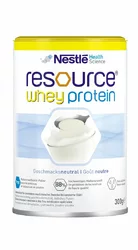
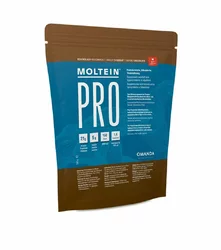
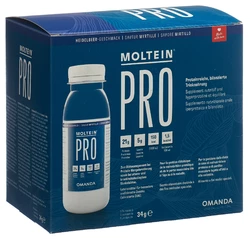
What health benefits does whey protein offer?
Although whey is made up of 94 percent water, it contains about 0.6 percent of the sought-after whey protein. This seemingly small amount is nevertheless crucial, because whey protein contains a variety of amino acids, including the nine essential ones: isoleucine, valine, threonine, tryptophan, lysine, leucine, methionine and phenylalanine. Whey also contains the semi-essential amino acid histidine.
Whey protein provides multiple health benefits. As people age, muscle mass declines, a process that can be slowed or reversed with targeted strength training and a protein-rich diet. Whey protein, which is rich in the branched-chain amino acid leucine, has an anabolic effect that promotes muscle growth. Numerous studies show that supplementing with whey protein in combination with strength training increases muscle strength and mass, particularly compared with other protein sources.
The positive effects of whey protein are not limited to muscle building. Studies indicate that regular consumption of whey protein can lower blood pressure, especially in individuals with excess body weight. It also has a beneficial impact on blood lipids by reducing total cholesterol and LDL cholesterol. These properties make whey protein a comprehensive support for cardiovascular health.
Whey protein in powder form or as protein shakes provides a longer feeling of fullness. Whey-based protein shakes are popular with athletes and people trying to lose weight. Whey protein is more satiating than other types of protein and is therefore a useful aid when dieting.
Are there potential side effects from consuming whey protein?
It is claimed that consuming whey protein shakes can lead to stomach and digestive issues as well as acne. Professional bodybuilders also warn that whey proteins may cause water retention under the skin, which can affect muscle definition during competition phases.
Studies on these claims are contradictory and none are definitive, since factors like stress and sleep quality are hard to control. The effect of milk proteins varies by individual. It is therefore recommended to monitor your own wellbeing, skin and gastrointestinal responses.
How is whey protein used?
Originally considered a by-product of cheese production, whey has become a valuable raw material in food processing. It is used in numerous food products such as processed cheese, baked goods, confectionery and meat products. In particular, whey protein is also used to enrich the protein content of infant formulas.
In addition to the food industry, whey protein has gained importance in sports nutrition. As whey protein it is especially popular among athletes.
How to support your fitness goals: tips for optimal use of whey protein
- Determine your individual protein requirement, which depends on factors such as age, weight, activity level and health status.
- Follow general guidelines. The Journal of the International Society of Sports Nutrition recommends 1.4 to 2.0 grams of protein per kilogram of body weight for physically active individuals.
- Stay active. Regular exercise combined with whey protein can promote muscle recovery and support muscle growth.
- Vary the forms of whey protein such as concentrate, isolate and hydrolysate to find which works best for you.
- Pay attention to quality. Invest in high-quality whey protein to ensure you get pure and easily digestible proteins.
- Try different brands. There are many whey protein brands on the market. Experiment to find the taste and texture you prefer.
- Consider tolerance. If you are lactose intolerant, choose whey protein isolate, which contains less lactose and is better tolerated.
- Mix with water. For faster absorption and utilisation by the body, mix your whey protein with water instead of milk.
- Add whey protein to meals such as smoothies, yoghurt or oats to naturally increase your protein intake.
- Use whey protein as a post-workout snack to supply your muscles with essential nutrients and support recovery.
- Drink enough water to ensure optimal digestion.
- If in doubt or if you have specific health concerns, consult a nutrition expert or a physician for personalised advice.
In summary, whey protein is a valuable dietary supplement. It is not only a tool for gaining mass but also a versatile supplement with many health benefits. It aids weight management, supports the immune system and promotes muscle recovery and growth.