Algae oil
This natural source protects you from many diseases
editorial.overview
What is algae oil and what nutrients does it contain?
Algae oil is extracted directly from cultivated microalgae such as Schizochytrium or Ulkenia. This oil is rich in long-chain omega-3 fatty acids — eicosapentaenoic acid (EPA) and docosahexaenoic acid (DHA) — which the body can only produce in limited amounts.
These fatty acids are essential for the body's functions and therefore need to be supplied regularly through the diet. Long-chain omega-3s, considered more valuable and important than short-chain forms from seeds and nuts, are found primarily in animal products like fish and fish oil — and in high concentrations in algae oil as well.
Because the algae used to produce omega-3-rich algae oils are grown in closed systems, they are protected from environmental toxins, microplastics and other marine pollution.
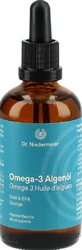
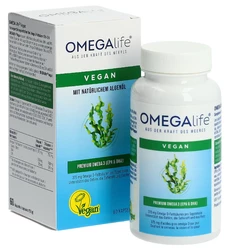

What advantages does algae oil offer over fish oil?
Compared with fish oil, algae oil offers several advantages. It is vegan, produced in an environmentally friendly way, free from mercury contamination and safe for pregnant women and young children.
Algae oil is generally better tolerated, has higher bioavailability than fish oil and a more pleasant taste. Due to its high concentration, only a small amount of algae oil is required to meet omega-3 needs.
Algae oil has a positive effect on the gastrointestinal tract, is used as an additive in infant formulas, supports a healthy pregnancy, promotes memory in children and older adults, improves blood markers and can help improve vision in certain eye diseases.
How does algae oil affect cardiovascular health and blood lipid levels?
Algae oil helps regulate blood lipid levels, improves blood quality, lowers blood pressure, reduces the formation of blood clots and lowers the risk of arrhythmias, heart attack, hypertension and stroke.
Can algae oil support brain function and eye health?
Because the retina contains very high amounts of DHA, taking omega-3s is a natural approach to treating macular degeneration — age-related vision loss.
Furthermore, omega-3 foods like algae oil are important for cognitive development and for the maintenance of normal brain function, as the brain performs better when it has a high content of EPA and DHA. Studies have shown that taking omega-3s can improve learning and memory and reduce symptoms of anxiety and depression.
Research suggests that increased intake of omega-3 fatty acids may even reduce the incidence of Alzheimer's disease and vascular dementia.
For which inflammatory conditions is algae oil helpful?
Algae oil has a positive effect on inflammatory conditions such as joint pain, osteoarthritis and certain bowel diseases, by lowering levels of pro-inflammatory cytokines, promoting mucosal healing and reducing swelling.
Tips for using algae oil: smart ways to use the plant-based omega-3 source
- Algae oil is available as a bottled oil and in capsules. Depending on the product and formulation, you take a tablespoon, a teaspoon or 50 drops. It can be consumed on its own or mixed into salads, mueslis, smoothies, spreads, dips, soups and dressings. Please note the oil is suitable only for chilled preparations.
- Make sure you consume the full dose of algae oil. Especially with dressings, some often remains in the bowl and may be discarded.
- Take algae oil with a main meal, immediately before or immediately after. This improves digestion and absorption.
- Check the ingredient list of algae oil. It is often blended with other plant oils. This can lead to large variations in DHA and EPA content. It's important to state not only the oil quantity but also the DHA and EPA contents of the product.
- To prevent quick rancidity, formulations may include tocopherols, vitamin C, antioxidants, polyphenol-rich olive oils and rosemary extract.
- For complaints such as concentration problems, inner restlessness, deterioration of vision, skin problems, autoimmune diseases, rheumatism or depression, higher dosages may be required to achieve the desired effect. Discuss dosing with your doctor.
- Algae oil should be stored in the refrigerator or at least kept cool and in the dark. Otherwise the oil can oxidise quickly.
- With an overdose of more than 5000 mg EPA and DHA per day, side effects may occur. Blood flow properties can change, blood clotting may be inhibited and bleeding risk may increase.
- Before taking algae oil, always talk to your doctor if you are on medication. Omega-3 fatty acids are often seen as enhancing the anticoagulant effects of blood thinners such as Marcumar or warfarin.
Algae oil is much more than a trend product — it is a powerful resource from the sea that can take our diet and wellbeing to a new level. As the world seeks sustainable, healthy alternatives, algae oil offers an answer that is convincing both ecologically and for health. Its versatile applications, from supplementation to skin care, make algae oil a true all-rounder for a conscious lifestyle. Algae oil has many health benefits — try it for yourself!