
DHA
The remarkable key to high mental performance
What is DHA?
Docosahexaenoic acid (DHA) is a long-chain, polyunsaturated fatty acid belonging to the omega-3 family. DHA is obtained from the diet, primarily from the oils of fatty marine fish. It can also be synthesised in the human body from the essential omega-3 fatty acid alpha-linolenic acid.
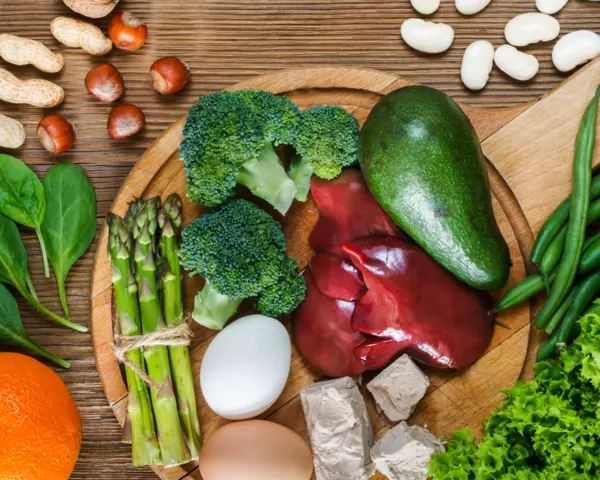
The body's ability to synthesise DHA depends on micronutrients such as magnesium, biotin, zinc, calcium and vitamin B6, which should be supplied in adequate amounts. A deficiency in these nutrients will limit DHA production.
Since conversion of alpha-linolenic acid to DHA is limited, it is advisable to obtain DHA through diet or dietary supplements.
The female mammary glands can also produce DHA, so breast milk contains DHA. This is particularly important because infants have higher DHA needs during pregnancy and breastfeeding.
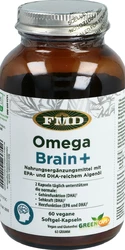

Why is DHA important for mental performance?
Our brain contains over 90% DHA. Without this fatty acid cognitive functions would not be possible; it is involved in learning ability, reaction time and other neurological processes.
Studies have shown that daily DHA intake can contribute to normal cognitive performance and to faster recall times. Animal studies have demonstrated that memory cells in the hippocampus communicate better and pass messages more quickly when DHA levels in this brain region are higher. Neurons in the hippocampus, where memory is mainly located, continue to regenerate throughout life and also require DHA. Therefore, adequate DHA supply is important well into old age.
A link between depression and low intake of essential omega-3 fatty acids has been observed in some studies. Depression is generally less common in societies where more fish is consumed.
How does DHA strengthen the immune system and prevent inflammation?
Omega-3 fatty acids can reduce inflammation in the body and therefore play an important role in preventing many chronic diseases, including autoimmune diseases. DHA and other omega-3s stimulate macrophages to produce specific endogenous proteins. These proteins regulate the expression of antioxidant proteins to protect against oxidative damage and stimulate autophagy. Autophagy plays an important role in maintaining cellular homeostasis and in the elimination of pathogens. Macrophages and autophagy coordinate the balance between pro- and anti-inflammatory processes.
DHA strengthens the immune system: it supports antibody production and cellular activation. It may also lower blood triglyceride levels, clotting risk, blood pressure and cholesterol, and help prevent cardiac arrhythmias.
Can DHA improve vision?
The retina contains a high concentration of DHA, which helps improve the fluidity of photoreceptor membranes, protects the retina and thus contributes to better vision.
How does DHA affect athletic performance and muscle function?
DHA reduces inflammation in the body and thus helps alleviate damage, swelling and joint pain seen in rheumatoid arthritis.
Athletes also benefit from adequate DHA intake. High-intensity training produces radical compounds that, in excess, lead to inflammatory conditions. Optimal DHA levels help reduce inflammation, improve endurance and prevent muscle soreness.
How to integrate this valuable omega-3 into your daily routine
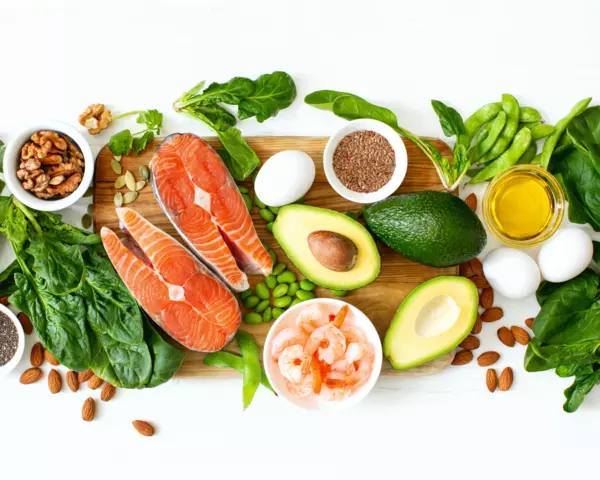
- The best dietary sources of DHA are cold-water fish such as salmon, sardines, mackerel, herring, tuna, as well as oysters, shrimp, scallops and cod. DHA is also present in breast milk and in small amounts in meat and egg yolk.
- Due to high mercury contamination, pregnant women should not eat more than 170 g of tuna, shark or mackerel. Instead, salmon and sardines are recommended.
- Shellfish are rich in DHA but should be eaten only occasionally. They are often contaminated and can frequently cause allergic reactions.
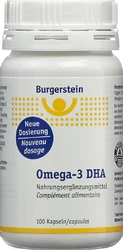
- Standardised supplements are free from contaminants and suitable for pregnant women, children, adults and older people. They are available as fish oil, krill oil, cod liver oil or as vegetarian products containing algal oil in various forms.
- Most supplements contain both docosahexaenoic acid (DHA) and eicosapentaenoic acid (EPA). When choosing a product, check the amount of each fatty acid. The higher the proportion, the more effective the product may be.
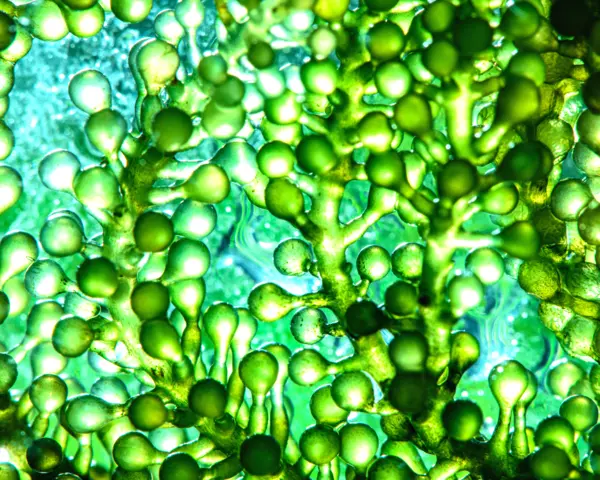
- For vegans and vegetarians, algae-based products are a good alternative. They contain DHA and can raise DHA levels in plasma. Seeds and nuts contain alpha-linolenic acid, which is converted to DHA only to a very limited extent.
- Pregnant and breastfeeding women should consume at least 240 to 340 g of a variety of seafood and fish per week, especially salmon and sardines.
- For healthy adults, a combined DHA and EPA supplement is recommended, without exceeding the daily dose. The dose ranges between 250 and 500 mg. DHA supplements should not exceed 2000 mg per day.
- To help prevent cardiovascular disease, it is recommended to take 300 to 600 mg of DHA and EPA per day.
- For healthy fetal development, pregnant women need about 200 mg of DHA per day. If DHA is not obtained from the diet, a daily intake of 300 to 900 mg of a combined DHA/EPA supplement is recommended.
- The daily requirement for children up to 24 months is 10 to 12 mg of DHA per kg of body weight. This should be noted particularly if the infant is not breastfed. Older children may need up to 250 mg of DHA per day.
- To support cognitive functions in case of memory loss or other cognitive impairments, 900 to 1700 mg of DHA per day are recommended.
- Ensure high quality of fish oil products, as they can become rancid and oxidise quickly.
- Excessive DHA intake can cause bad breath, weaken immune function, and lead to heartburn, diarrhoea, headaches and nausea.
- Supplements containing fish oil may also increase the risk of excessive bleeding and lower blood pressure. Interactions with other medications cannot be ruled out.
Adequate DHA intake positively affects many aspects of mental and physical health and helps bring the body back into balance!