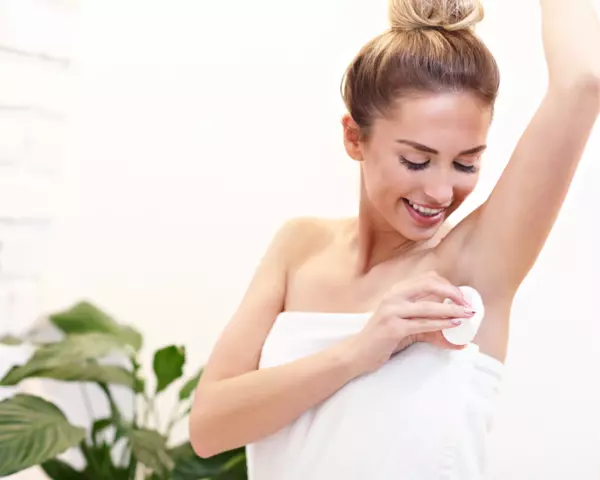
Antiperspirant
How to keep sweating under control
editorial.overview
What is the difference between antiperspirants and deodorants?
When choosing products intended to protect against excessive sweating, it is important to understand the difference between antiperspirants and deodorants. Although both are used to combat body odour, they work in different ways and have different effects.
Deodorants are especially effective at masking unwanted odours and providing a feeling of freshness. However, they do not affect sweat production itself.
By contrast, antiperspirants have the specific function of reducing sweat formation. They generally contain aluminium salts or compounds that act on the sweat glands. Due to their chemical structure they interact with the sweat glands and form a temporary blockage. As a result, less sweat is produced. Antiperspirants therefore inhibit sweating and can effectively reduce excessive perspiration.
What types of antiperspirants are there and how do they work?
There are several types of antiperspirants to choose from, each with its own advantages. Here are some of the most common types and their characteristics.
Antiperspirant sprays are popular because they are easy to apply. They allow an even distribution of the product on the skin and dry quickly. Sprays are suitable for larger areas of the body such as the back or legs. They are convenient and can be sprayed on quickly.
Antiperspirant roll‑ons contain a liquid formulation that is applied to the skin with a gentle rolling motion. They offer precise application and are ideal for sensitive areas such as the underarms.
Antiperspirant creams have a thicker consistency and are applied to the skin. They provide long‑lasting effect and are particularly suitable for people with sensitive skin. The creamy texture allows good spreadability and forms a protective film on the skin.
Antiperspirant sticks have a solid formulation, similar to deodorant sticks. They are applied directly to the skin and offer a simple, convenient application. Sticks are handy and easy to carry in a handbag or sports bag.
Antiperspirant pads are wipes or pads impregnated with a special formulation that are placed on the skin. They provide a simple and discreet solution for on‑the‑go use. The pads are conveniently packaged and can be kept in a bag or backpack for a quick refresh when needed.
How to choose the right antiperspirant for sensitive skin or allergies?
For sensitive skin or a tendency to allergies, choosing the right antiperspirant is particularly important. Make sure to choose a product without alcohol, fragrance, parabens or dyes – these ingredients can irritate the skin or trigger allergic reactions. Hypoallergenic antiperspirants specifically developed for sensitive skin are ideal.
Checking the ingredient list helps: products with soothing additives such as Aloe Vera, Panthenol or chamomile extract are often better tolerated. Avoid antiperspirants with a high aluminium content if you are sensitive to it, and test new products on a small patch of skin first.
If you have a known contact allergy or very reactive skin, a visit to a dermatologist or allergist is recommended to find products that suit you individually.
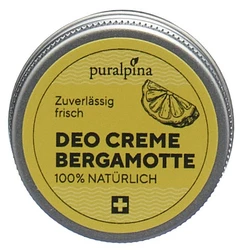
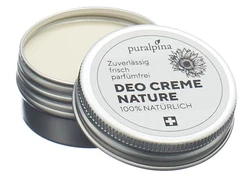
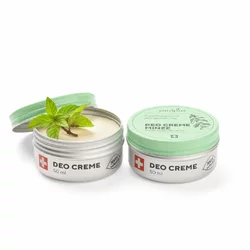
What alternative ingredients exist for aluminium‑free antiperspirants?
There are now many alternatives to aluminium in antiperspirants that work naturally against sweat and odour. Popular ingredients include zinc oxide, which is antibacterial and neutralises odours, and sodium bicarbonate (baking soda), which makes the skin slightly alkaline and thereby inhibits bacterial growth.
Plant extracts such as sage, witch hazel or tea tree oil are also known for their sweat‑reducing and deodorising properties.
Alum (potassium aluminium sulfate), a naturally occurring mineral, is also used, although it belongs to the group of aluminium salts — in a form considered to be less concerning.
Corn starch or kaolin (white clay) additionally help to absorb moisture and leave a dry skin feeling.
Fresh and dry: the best tips for proper antiperspirant use
- Choose an antiperspirant with a higher aluminium chloride content to effectively control heavy sweating.
- Look for antiperspirants that promise long‑lasting effects to maintain protection against excessive sweating throughout the day.
- Prefer fast‑drying formulations to avoid a sticky feeling on the skin.
- Test the antiperspirant on a small area of skin to ensure no allergic reactions occur.
- Use an antiperspirant that protects against both sweat and unpleasant odours so you feel fresh all day.
- Buy an antiperspirant that does not leave stains on clothing to avoid unwanted marks. Specifically look for products labelled "stain‑free" or "no visible traces". Prefer roll‑on formulations, as their thicker consistency adheres better to the skin and reduces the risk of stains on clothing.
- Choose a water‑resistant antiperspirant if you are active in sports or sweat on warm days.
- Apply the antiperspirant before going to bed so the active ingredients can work optimally overnight.
- Clean the skin thoroughly before applying the antiperspirant to achieve the best results.
- Do not apply the antiperspirant immediately after shaving to avoid skin irritation.
- Use an antiperspirant with caring ingredients such as Aloe Vera or vitamin E to further protect and nourish the skin.
Try different antiperspirants to find the one that suits you. However, avoid excessive use, as antiperspirants containing aluminium may carry health risks. Also experiment with different deodorants to find the optimal protection and fragrance that match your needs and preferences.