Aluminium-free deodorant
Stay smelling fresh at all times
What types of deodorants are there and how do they work?
There are different types of deodorants that are used in various ways and have diverse effects.
Spray deodorants are the most common type and are simply sprayed onto the skin. They are quick and easy to use and typically provide good protection against sweat and odour.
Roll-on deodorants are applied by rolling the ball applicator over the affected area. They offer a similar effect to sprays, but are often gentler on the skin and usually last longer.
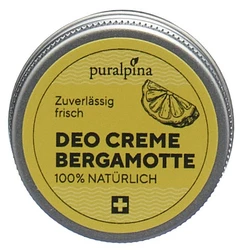
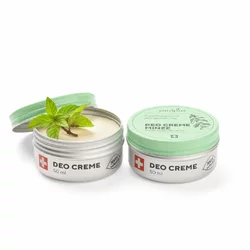
Cream deodorants are applied to the skin and must be fully absorbed before putting on clothing. They are gentler on the skin than sprays and roll-ons and often provide long-lasting protection.
Deodorant sticks are like roll-ons but in a firmer form. They are applied by rubbing the stick over the skin. Sticks are particularly convenient for travel and generally offer good protection against sweat and odours.
Crystal deodorants are often made from potassium alum and provide a natural alternative to conventional deodorants. They are applied to damp skin and form an invisible layer that inhibits the growth of odour-causing bacteria.
Natural deodorants are made from natural ingredients such as tea tree oil, sage or lavender and offer an alternative to conventional deodorants with synthetic ingredients. They may be available as sprays, roll-ons or creams and often provide a gentle but effective solution against sweat and odour.
Why is aluminium in deodorants criticised?
Some of the most common ingredients in deodorants are aluminium compounds such as aluminium chloride and aluminium zirconium. They reduce sweat production and thereby decrease body odour.
An important aspect of using aluminium in deodorants is the type of aluminium salts used. If the aluminium salts are synthetic, such as aluminium chloride or aluminium hydrates, they can dissolve easily into aluminium ions and thus enter the body. It is important to choose deodorants that contain aluminium salts which are less likely to break down into aluminium ions (for example aluminium-zirconium-tetrachlorohydrex glycine).
There are standards for the safe use of aluminium. The European Food Safety Authority already set a value for safe aluminium intake in 2008. Nevertheless, the use of aluminium-containing cosmetics is controversial because it can increase the total aluminium exposure of the body. The Federal Institute for Risk Assessment warns against exceeding the tolerable weekly intake of 1 mg of aluminium per kg of body weight.
Even though studies and data on this topic are limited, the cumulative effect of aluminium entering the body by other routes should be considered. The Federal Institute for Risk Assessment assumes that many consumers already ingest high amounts of aluminium through food and thus may already be close to their tolerable weekly intake. If aluminium-containing cosmetics such as deodorants are used in addition, the tolerable weekly aluminium intake may be exceeded. There are concerns about possible health effects of aluminium, particularly regarding the risk of breast cancer and Alzheimer’s disease.
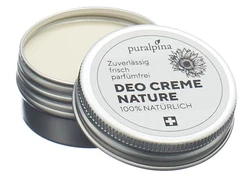
How do aluminium-free deodorants work?
More and more people are therefore opting for aluminium-free deodorants. They contain a variety of ingredients that help reduce or eliminate body odour.
One of the differences between deodorants with and without aluminium is their mode of action. Aluminium-free deodorants prevent odour formation by inhibiting the growth of odour-causing bacteria and by containing fragrances that mask sweat odour. Deodorants with aluminium salts additionally reduce sweating by constricting part of the sweat ducts.
Aluminium-free deodorants are initially not as efficient, because the body needs to get used to sweating without aluminium salts. When switching to aluminium-free deodorants, it takes some time for all residues of aluminium salts to disappear and for the body to relearn how to regulate sweat production. The detoxification process is individual and can take up to 14 days.
Which natural ingredients replace aluminium in deodorants?
A frequently used ingredient in aluminium-free deodorants is bicarbonate or baking soda. This substance has a natural ability to absorb odours. Baking soda is often used in combination with other ingredients such as coconut oil or shea butter to achieve a creamy consistency.
Essential oils are another popular ingredient in aluminium-free deodorants. Tea tree oil is commonly used because of its antimicrobial and antibacterial properties.
Zinc ricinoleate is a natural ingredient used in aluminium-free deodorants. It is a zinc salt of ricinoleic acid, which is derived from castor oil. Zinc ricinoleate has the ability to neutralise unpleasant odours by absorbing them. Aluminium-free deodorants are particularly suitable for people with sensitive skin or allergic reactions to aluminium as an alternative to conventional deodorants.
Natural protection: best tips for using aluminium-free deodorant
- Try different types of deodorants to find the one that suits you best. Use a deodorant tailored to your individual needs, e.g. for sensitive skin, for intense physical activity or with specific ingredients to combat odour.
- Wait a few hours after shaving before applying deodorant. Do not use deodorants on open wounds or irritated skin.
- Avoid excessive application of deodorant, as this can cause skin irritation.
- Do not apply deodorant immediately after showering, as this can impair its effectiveness.
- If you use a spray, hold the nozzle at least 15 cm from your body. Avoid spraying deodorant on clothing, as it may cause stains.
- Apply deodorant to clean, dry skin for optimal effect.
- If you suffer from kidney disease, you should use aluminium-free deodorants, as aluminium salts can be difficult to eliminate from the body.
- Use deodorants in well ventilated areas to avoid inhaling aerosols.
- If you use deodorants that contain essential oils or fragrances, make sure they do not clash with your perfume.
- If you have sensitive skin, look for deodorants that do not contain irritating ingredients such as alcohol or parabens.
- Be aware that an aluminium-free deodorant may need to be applied more frequently than conventional deodorants.
- During the transition to aluminium-free deodorants it is helpful to carry the deodorant with you, to quickly freshen the underarms and reapply the product as needed. It is recommended to make the switch in winter.
- When choosing a natural deodorant it can take some time before the effect is noticeable, since natural deodorants generally act more slowly than synthetic ones.
- To make your own deodorant you need a spray bottle, 50 ml alcohol (at least 40%), 50 ml water, 15 drops of essential oil (e.g. lavender) and optionally three drops of tea tree oil for stronger antibacterial effect. Simply mix all the ingredients, pour them into the spray bottle and your aluminium-free deodorant is ready.
It is worth paying attention to deodorant ingredients and switching to aluminium-free products where appropriate!