
BB-Cream
The good combination of protection and beauty
editorial.overview
What is a BB-Cream?
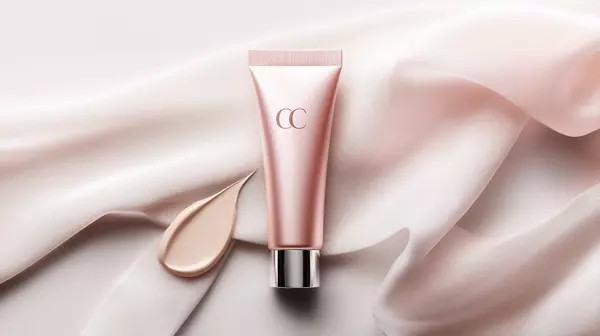
BB-Cream, short for “Beauty Balm” or “Blemish Balm”, is a versatile product that combines skincare and make-up. Originally developed by dermatologists to soothe and conceal skin irregularities such as scars after laser treatments, the BB-Cream was refined in Asia and is now a must-have for a natural, radiant complexion.
Unlike a heavy foundation, a beauty balm cream is lighter but offers better coverage than a tinted day cream. It contains specific pigments that brighten the complexion, even out imperfections and leave the skin looking smooth and fresh. It also provides moisture, protects with ultraviolet filters and strengthens the epidermis with vitamins and antioxidants.
The multifunctional formula makes the beauty balm a multi‑talented product. It conceals redness, pigmentation spots or early fine lines, while revitalising and protecting the skin at the same time. Whether as a daily companion or a simple base for light make-up, the BB-Cream delivers a well‑groomed, natural look with minimal effort.
What are the pros and cons of BB-Cream?
BB-Creams offer an ideal combination of skincare and make-up, but like any product there are advantages and disadvantages.
A major advantage of the BB-Cream is its natural look, achieved by the light texture that gives a fresh, non‑made‑up appearance. At the same time, it supplies the skin with valuable active ingredients such as vitamins and antioxidants, provides moisture and ensures a comfortable wear.
Compared with a foundation, a BB-Cream feels lighter, making it particularly suitable for everyday use. Added to that is the practical sun protection factor, which shields the skin from harmful ultraviolet radiation. The easy application and suitability for dry skin also make it a popular everyday companion.
There are, however, some drawbacks. The coverage is lower than that of a foundation, so larger irregularities or blemishes may not be fully concealed. Furthermore, the light formula is mainly designed for daytime use and can be far too subtle for evening make-up. Another downside is the limited suitability for oily skin, as it can leave a slightly oily sheen.
Despite these limitations, the BB-Cream remains a versatile and straightforward option for a neat and natural everyday look.
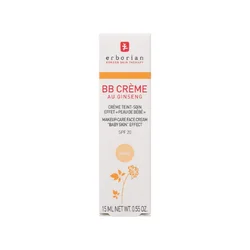
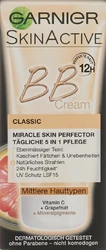
Which skin types is a BB-Cream suitable for?
BB-Creams are versatile and suitable for almost everyone, as they are offered in different formulations and coverage levels. Their composition adapts to the skin’s needs, offering tailored solutions.
For dry skin, BB-Creams are particularly suitable because they provide moisture and a radiant, natural result. These variants often have lighter coverage, prioritising care and glow.
For blemish-prone skin, BB-Creams with antibacterial ingredients can help prevent blemishes and conceal spots and redness with somewhat stronger coverage. Since blemish-prone skin often tends to shine, specific BB-Creams for oily skin offer mattifying effects and create a more even finish.
There are also options for combination skin. In this case, beauty balms that support both oily and drier facial areas are recommended. A clever approach is to treat the drier areas – for example the cheeks – first with a moisturiser and then apply a BB-Cream formulated for oily or blemish-prone skin to the T‑zone.
For mature skin, a CC‑Cream is often the better choice. It offers additional benefits such as concealing pigmentation spots, evening out a dull complexion and providing anti‑ageing actives that counteract skin ageing. This way everyone can find the right care for a well‑groomed, natural appearance.
Which is better: BB-Cream or foundation?
The choice between BB‑Cream and foundation largely depends on personal needs, skin condition and the desired result. Both products have strengths that make them ideal for different occasions or requirements.
BB‑Creams are ideal when a natural look is wanted. They provide light to medium coverage that conceals small imperfections and gives the skin a fresh, radiant finish. Foundations, on the other hand, excel through their versatility in coverage – from medium to full – and finishes that can range from matte to dewy. For a flawless complexion or glamorous evening make‑up, foundation is often the first choice.
Beauty balms not only provide coverage but also deliver skincare benefits thanks to nurturing ingredients like antioxidants, humectants and UV protection. Some formulations even include anti‑ageing actives to further pamper the skin. Foundations primarily focus on visually perfecting the complexion, although many modern formulas also integrate skincare aspects such as moisturisation or sun protection.
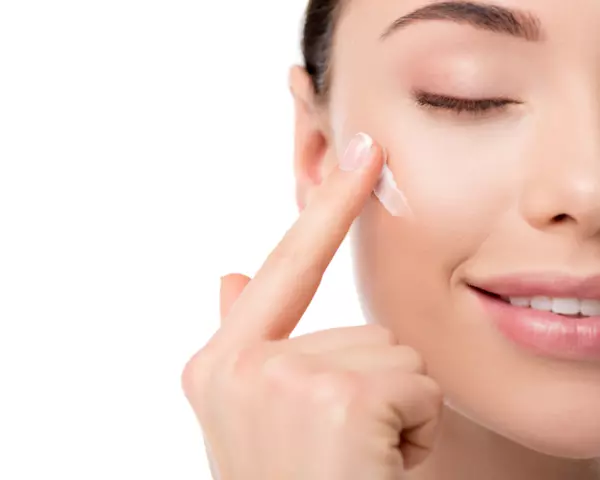
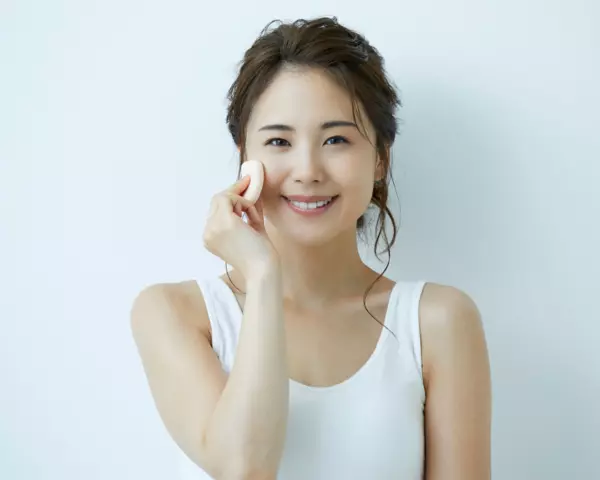
If you want a quick and fuss‑free solution, you will love the BB‑Cream. It is often applied like a day cream with your hands and is ideal for a natural everyday look. Foundations usually require more precise application with a sponge or brush, but they offer longer wear and a more intense finish. For long days or special occasions, foundation is therefore better suited.
The choice between BB‑Cream and foundation depends on the desired result and the occasion. For a fresh, groomed look in everyday life the BB‑Cream is an excellent choice. If you need to cover more pronounced irregularities or achieve a flawless finish for a special event, foundation is preferable. Both have their place and can be combined according to the situation.
Does every BB‑Cream contain sun protection?
Not all BB‑Creams contain sun protection, as formulations vary from brand to brand. While some products include a sun protection factor (SPF/LSF) to guard against ultraviolet rays, others focus on moisturising and light tinting without added UV protection. This is often because certain target groups, e.g. people with sensitive skin, may not tolerate some chemical or physical sunscreen filters.
To find out whether a BB‑Cream offers sun protection, look for indications like “SPF” or “LSF” on the packaging or check the ingredient list – common UV filters include titanium dioxide or zinc oxide.
If it does not contain sun protection, it is advisable to use a separate sunscreen to protect the skin from harmful ultraviolet radiation.
Which ingredients should a BB‑Cream avoid?
BB‑Creams are intended to care for and protect the skin, but some ingredients can be harmful to both skin and the environment. It is worth checking the ingredient list and avoiding problematic substances to minimise skin issues and health risks.
Silicones, often identifiable by the suffix “‑methicone”, provide a smooth skin feel but can clog pores and lead to blemishes. They can also reduce skin breathability and hinder the absorption of beneficial actives.
Paraffins and mineral oils, listed under names like “Paraffinum Liquidum” or “Petrolatum”, act similarly to silicones by creating an occlusive layer. While they give a smooth sensation short‑term, they impair the skin’s natural functions and burden the environment as they are not biodegradable.
Parabens, used as preservatives, can be harmful at high concentrations because they may affect the hormonal system. Entries such as “Sodium Paraben” on the ingredient list should therefore be viewed with caution.
PEG derivatives, often indicated by “PEG” followed by a number, are synthetic substances derived from petroleum. They improve the texture of cosmetics but can make the skin more permeable to unwanted substances.
Certain chemical UV filters such as ethylhexylmethoxycinnamate and octocrylene are also suspected of causing hormonal changes. Another concerning substance is BHT (butylhydroxytoluene), which protects the product from oxidation but may also have hormonal effects.
Does a BB‑Cream need to be removed at night?
Yes, it should be removed carefully in the evening. Although it often contains nourishing actives and an SPF and therefore seems ideal for daily use, it remains a cosmetic that can stress the skin if left on too long.
Like foundation, a BB‑Cream can clog pores, especially if worn for extended periods. This can lead to blemishes, irritation or a dull complexion. A thorough evening cleansing routine is therefore essential to relieve the skin, support its natural regeneration processes and prepare it for care.
A mild cleanser or cleansing oil works well to remove BB‑Cream gently and thoroughly without drying out the skin. After cleansing the skin will feel fresh, healthy and ready to receive further care.
BB‑Cream: how to achieve the best result
- Make sure the BB‑Cream is specifically developed for your skin type. Mattifying formulations suit oily skin, while dry skin benefits from products with hydrating ingredients.
- Choose a beauty balm with a sun protection factor (SPF/LSF) to shield your skin from harmful ultraviolet rays. Built‑in UV protection helps prevent premature skin ageing.
- Always test BB‑Creams on the inside of your wrist to ensure the shade matches your complexion. Some products adapt to skin tone, but be cautious: on very fair skin they can sometimes appear too dark.
- Before applying the BB‑Cream, cleanse and thoroughly dry your face. This allows the cream to spread more evenly and adhere better.
- Start by applying small amounts of BB‑Cream to the forehead, nose, chin and cheeks. Blend gently from the centre of the face outwards for an even result.
- If you want more coverage, apply a second layer of BB‑Cream. Set the result with a translucent powder if you prefer a matte finish.
- For oily skin, look for cosmetics containing ingredients such as zinc or perlite. These absorb excess oil and reduce shine.
- For dry skin, apply a serum or moisturiser before the BB‑Cream. Allow it to fully absorb before applying the BB‑Cream.
- Remove BB‑Cream thoroughly in the evening with a make‑up remover or cleansing gel. This prevents clogged pores and supports skin regeneration.
- Most BB‑Creams blend best when worked in with the fingers. The warmth of your hands often activates microbeads in the formula so that the colour adapts optimally.
- For mature skin, BB‑Creams with hyaluronic acid are ideal because they provide moisture and visually plump fine lines. UVA protection is also important to help prevent skin damage.
- Set the BB‑Cream if needed with a light setting spray or powder. This ensures a long‑lasting, fresh appearance throughout the day.
- When applying, blend the beauty balm well down to the neck and around the ears to avoid visible lines and achieve a natural result.
BB‑Creams are versatile all‑rounders that combine skin care and make‑up in a single product, making them ideal for everyday use. They hydrate, conceal imperfections and protect the skin from environmental stressors. Thanks to their light texture and the wide range of shades and formulations, they are a straightforward solution for every skin type and tone.