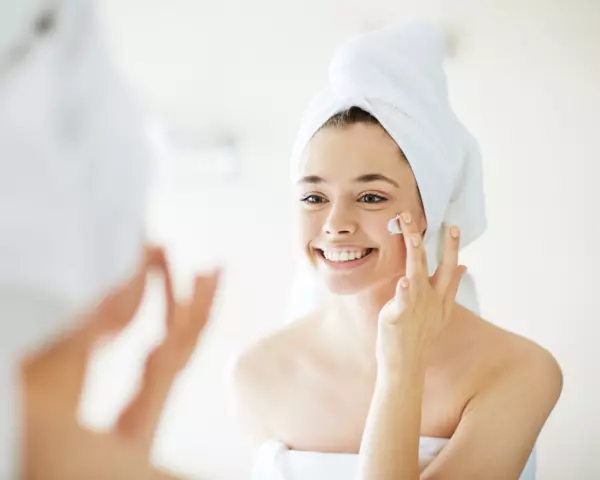
Face cream
How to care for your first good impression
editorial.overview
Why is choosing the right face cream important for skin health?
Our skin is exposed to daily stress: unfavourable weather conditions, dirt and dust in the air, remnants of cosmetics – all of this leads to premature skin ageing, the formation of wrinkles and a loss of radiance.
A cream is the final step in the daily skincare routine; it evens out the complexion, smooths the skin's microrelief and can restore firmness – provided you choose the exact right type of cream.
Finding the perfect cream is not an easy task. Partly this is because our skin condition, the seasons and the time of day are constantly changing. The role of a basic face cream is to create a protective film on the skin. This film prevents moisture evaporation, helps avoid drying and shields against aggressive environmental factors such as wind, frost and sun.
What types of face creams are there and what are they used for?
There is a cream for almost every concern: brightening, active acne treatment, controlling daytime oily shine, delivering moisture, or sun protection.
A moisturiser is necessary when the skin is flaky, rough or cracked. The purpose of a nourishing cream is, as the name suggests, to nourish the skin. Rejuvenating creams help to prevent the appearance of wrinkles. But regardless of manufacturers' promises, no cream can completely eliminate the imperfections of mature skin; at best it can make them less visible.


Which ingredients in creams are particularly effective against skin ageing?
It is very important to pay attention to a cream's composition. Beneficial ingredients include vitamin A, vitamin E, vitamin D, omega fatty acids, peptides, hyaluronic acid, collagen and elastin.
Vitamin D slows down cellular ageing and increases cells' resistance to negative factors.
Vitamin A works in the upper layers of the skin and makes it smoother. It eliminates free radicals that cause premature ageing and helps prevent age-related changes. A sufficient amount of vitamin A keeps collagen and elastin production stable.
Vitamin E stimulates natural cell renewal.
Omega-3-6-9 fatty acids promote regeneration and metabolism and are particularly good for flaky, dry skin with impurities and pimples.
Peptides or amino acids affect skin elasticity and suit all skin types, even very sensitive skin. They trigger skin cell regeneration processes, smooth skin texture, soften wrinkles, accelerate tissue healing, calm the skin, improve complexion and give a fresh, rested appearance.
Hyaluronic acid, collagen and elastin have a positive effect on connective tissue and make the skin firm and elastic.
Which harmful ingredients should be avoided in creams?
Propylene glycol and formaldehyde should be avoided in a good cream. Propylene glycol is derived from petroleum products and can cause eye and skin irritation.
Formaldehyde is often used as a preservative, but in fact it is an embalming fluid. Once absorbed through the skin, it can trigger many dangerous processes in the body.
How to apply face cream correctly: get the most out of your care
- You should start using creams as early as possible, without waiting for the first pimples, wrinkles or other skin changes. Every skin needs moisture and protection, regardless of type or age.
- Pay attention to your skin type. For oily and problematic skin, lightweight (oil-free) textures based on silicones, glycerin and hyaluronic acid with sebum-regulating, disinfecting and mattifying ingredients are recommended. For dry skin, rich textures based on oils and waxes are suitable. For sensitive skin, soft, creamy textures with soothing ingredients are ideal.
- Consider the season. In winter, rich, dense textures with silicones, oils and waxes are recommended for optimal protection and nourishment. In summer, opt for light, airy fluids and emulsions with the right complex of humectants and antioxidants.
- Note that a day cream should contain an SPF of at least 30. If you are prone to pigmentation or experiencing hormonal changes, choose a day cream with SPF 50. Night creams should contain nourishing, regenerating and restorative ingredients.
- If you have a specific issue, choose creams from a highly specialised line, e.g. brightening, lifting, mattifying or anti-acne.
- Adjust skincare to your age. If you have young, healthy skin, a good moisturiser with vitamins is often sufficient. From around 25 years old, antioxidants and acids can help prevent premature ageing. For more mature skin, look for peptides and retinol.
- Avoid creams with strong fragrance or unusual vivid colour. These contain perfumes and dyes that can harm your skin. Prefer transparent or white creams with a mild scent.
Read the packaging of your skincare product carefully and choose only what suits you!