Beautiful hair
How to care for your breathtaking natural gift
Why is it important to know your hair type?
An important aspect of caring for beautiful hair is taking into account your individual hair type. Hair comes in different textures and structures, from straight to wavy to curly and coily. Each hair type has specific care requirements that should be observed. Straight hair tends to become oily more easily, while curly hair is often dry and coily hair can be prone to breakage. By knowing your hair type, you can choose the right products and methods of care.
Another factor that affects hair health is genetic factors. Hair structure and thickness are grösstenteils determined by genetic predisposition. It is important to accept that every hair type has its own advantages and challenges. Instead of comparing yourself to others, appreciate the natural characteristics of your own hair and tailor your care accordingly.
How do environmental factors affect hair health?
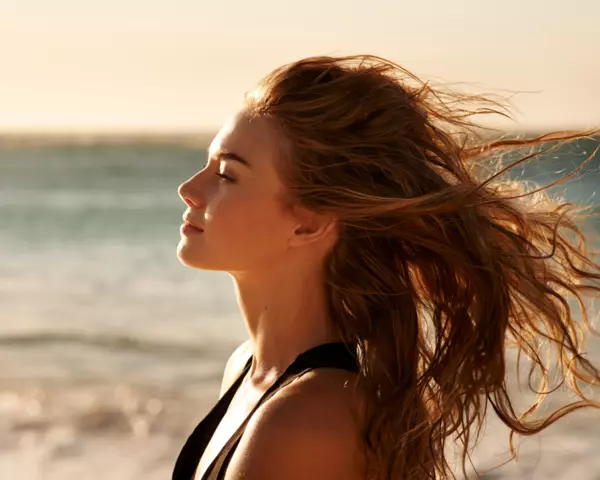
The environment can affect hair health in various ways. Prolonged intense Sonneneinstrahlung sun exposure dries hair out and weakens it. The sun's UV rays damage the outer layer of the hair, the cuticle, leading to dryness, brittleness and colour changes.
Air pollution, especially in heavily industrialised areas, causes damage to hair and scalp. Pollutants and particles in the air settle on the hair and make it look dull and lifeless. In addition, these pollutants irritate the scalp, which can lead to dandruff and other scalp problems.
Climatic conditions such as extreme heat, cold or humidity affect hair health. For example, in high humidity curly hair can become frizzy and difficult to manage. Dry air in winter can dry out hair and cause static electricity.
What role does nutrition play in hair health?
A balanced diet contributes decisively to beautiful hair because it supports the health of hair follicles and the production of keratin, the main component of hair. Hair is mainly made up of the protein keratin. A sufficient supply of protein in the diet is therefore important to support hair growth and structure.
Foods such as lean meat, fish, eggs, dairy products, legumes and nuts are rich in protein and promote healthy, strong hair.
Which vitamins and nutrients are particularly important for healthy hair?
Various vitamins and minerals play an important role in hair health. Vitamin A promotes the production of sebum, which moisturises the scalp. Foods such as carrots, sweet potatoes, spinach and cod liver oil are rich in vitamin A.
Vitamin C supports collagen production, which is important for hair structure. Citrus fruits such as oranges, lemons and grapefruits, as well as strawberries, peppers and kiwi, are excellent sources of vitamin C.
Vitamin E protects cells from oxidative stress and can support hair growth. Almonds, sunflower seeds, avocado and spinach contain high amounts of vitamin E.
Biotin and other B vitamins are also important for hair structure and growth. Eggs, legumes, nuts, seeds, salmon and Vollkornprodukte are good sources of these nutrients.
Minerals such as zinc, iron and selenium also contribute to hair health. Oysters, beef, poultry, beans, Brazil nuts and seafood are rich in these minerals.
A sufficient fluid intake is also important for hair health. Dehydrated hair can be dry, brittle and prone to breakage.
How to keep your hair beautiful and healthy: the most effective tips
- Wear a hat or scarf to protect your hair from direct sun exposure.
- Use a shampoo and conditioner with UV protection to protect hair from the harmful effects of the sun.
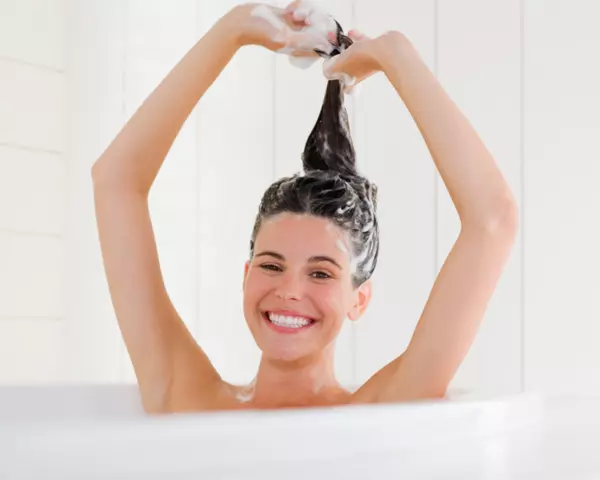
- Rinse your hair thoroughly after swimming in the sea or pool to remove salt and chlorine residues.
- Use hair masks regularly to provide moisture and revitalise the hair.
- Avoid tight hairstyles such as braids or ponytails that can put a lot of strain on the hair.
- Dry your hair gently with a towel instead of rubbing it roughly.
- Have your ends trimmed regularly to keep your hair looking good. A visit to the hairdresser is recommended at least every 3 to 4 months. Regular trims not only prevent split ends from setting in, but also make hair look fuller and healthier.
- Use natural oils such as argan or coconut oil to moisturise and care for your hair.
- Reduce excessive use of hair gel or hairspray to avoid weighing hair down or causing it to stick together.
- Before swimming in the sea or pool, apply a hair treatment or a nourishing hair mask to protect your hair from drying out due to salt or chlorinated water.
- An acidic rinse (1 tablespoon of apple cider vinegar to 1 litre of water) gives a nice shine after washing. Do not rinse out!
- If you let your hair air-dry, avoid wrapping it in a tight knot or towel, as this can lead to breakage and split ends. Instead, let it fall loosely or use a microfibre towel to dry it.
- Avoid excessive use of styling products such as gels, waxes or hairsprays, as these can weigh hair down and make it look greasy more quickly. Instead, choose lighter alternatives such as styling mousses or texturising sprays.
There are many ways to achieve and maintain beautiful, healthy hair. Invest time and care in your hair routine and follow the tips to get the best out of your hair, because beautiful hair is not only an aesthetic feature but also an expression of your health and self-care.