
Beta-carotene
The orange health power of nature
editorial.overview
What is beta-carotene?
Beta-carotene is a secondary plant compound from the carotenoid family, which occur as natural pigments in fruits and vegetables. The bright yellow, orange and red shades of these foods are due to carotenoids.
There are about 700 different carotenes, of which the body can convert roughly 50 into vitamin A. The best-known and most important of these is beta-carotene, which has the highest vitamin A activity. Because beta-carotene is an important precursor of vitamin A, it is also called provitamin A.
How does beta-carotene work in the body?
As beta-carotene is converted into vitamin A in the body, it indirectly affects a wide range of bodily functions. Vitamin A has a cell-protective effect and is important for cell growth. It particularly supports the regeneration of the skin and mucous membranes, making it more difficult for pathogens to penetrate the skin barrier. Strengthening the body’s natural defences with beta-carotene may also help prevent degenerative diseases such as Alzheimer’s. A vitamin A deficiency can show up as irritated, sensitive or very dry skin, since this vitamin plays a key role in skin formation.
Vitamin A also plays an important role in bone stability and mucous membrane function. For example, vitamin A is important for the gastric mucosa, stomach walls and gastric juices. A healthy mucous membrane helps protect the stomach walls from acidic gastric juice. It is therefore no coincidence that regular consumption of foods rich in vitamin A, alpha- and beta-carotene can halve the risk of stomach cancer.
Due to its antioxidant action, beta-carotene is also thought to have a protective effect against other cancers, including cancers of the oesophagus, liver, pancreas, rectum, prostate, ovaries and cervix.
How does beta-carotene protect the heart and the brain?
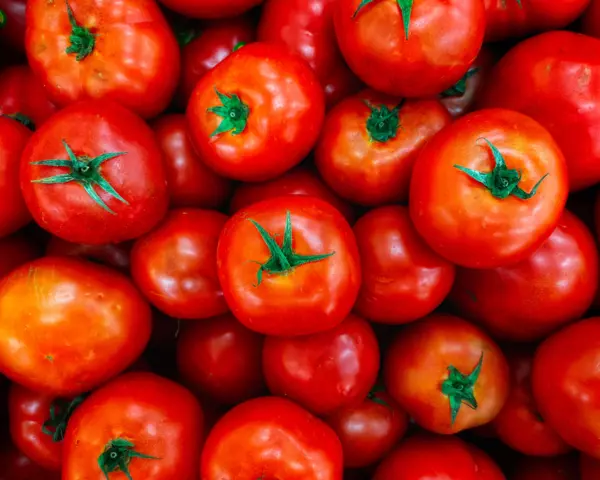
Numerous studies have confirmed that foods high in carotenoids can significantly reduce the risk of heart attack. Other studies indicate that two carotenoids in particular, beta-carotene and lycopene (found in tomatoes), can effectively reduce the risk of stroke. By lowering the risk of cardiovascular disease, they also help reduce peripheral arterial disease (PAD). Beta-carotene reduces the oxidation of LDL cholesterol in the body and thus protects against elevated cholesterol levels. This inhibits the formation of arterial calcification and narrowing.
As an antioxidant, beta-carotene positively affects brain function by improving communication between brain cells. It can also prolong the life of brain cells through its antioxidant action. In the form of vitamin A, beta-carotene also influences the processing of the protein beta-amyloid. This is particularly significant because faulty processing of this protein is associated with increased susceptibility to Alzheimer’s disease.
How does beta-carotene act on inflammation and the eyes?
Oxidative damage from excessive free radicals in the body often leads to inflammatory processes. During inflammation, interleukin-6, an inflammatory marker, is released by white blood cells. The more interleukin-6 measured in the blood, the stronger the inflammation in the body. Scientific studies have shown that a high level of interleukin-6 is often associated with a low level of carotenoids. An increase in carotenoid levels can lead to a decrease in interleukin-6 levels.
Beta-carotene thus acts as an anti-inflammatory antioxidant and helps reduce cellular damage caused by so-called free radicals. When free radicals are neutralised by antioxidants such as beta-carotene, they are no longer able to alter or destroy genetic material. They can no longer negatively affect the body’s structures.
Vitamin A is also known as the eye vitamin — and for good reason. The retina is home to millions of cells responsible for perceiving light, colours and other visual stimuli. In a highly complex chain reaction triggered by specialised molecules, these stimuli are transmitted to the brain as visual images for processing. Vitamin A plays a major role in this process: without it, vision would not be possible. Vitamin A deficiency can lead to visual disturbances, including drying of corneal cells, burning eyes and conjunctival inflammation. In severe cases, macular degeneration can even develop.
What causes and consequences does a beta-carotene deficiency have?
Certain diseases, particularly of the liver, gallbladder or pancreas, impair the absorption of fat-soluble vitamins such as vitamin A. How much beta-carotene is absorbed also depends on the fat content of the diet. Poor diet or malnutrition can lead to an insufficient intake of carotenoids.
The need for vitamin A is further increased by cigarette smoking or inhaling polluted air. Environmental toxins such as cadmium accelerate the breakdown of vitamin A. In addition, there is a risk of vitamin A deficiency with high stress, inflammation or after surgery. Regular, moderate or excessive alcohol consumption also interferes with the absorption, storage and mobilisation of vitamin A.
A beta-carotene deficiency occurs when the body is unable, for health reasons, to absorb or properly utilise beta-carotene. This can lead to a vitamin A deficiency with adverse health consequences. Deficiency symptoms may include night blindness, fatigue, skin problems and a weakened immune system. A carotenoid deficiency can thus increase susceptibility to infections and the risk of atherosclerotic heart disease.
The risk of various cancers, such as laryngeal, lung or prostate cancer, is increased with a beta-carotene deficiency. Hair, nails, bones and nerves can also be affected by a carotenoid deficiency. In children, growth disorders can occur, and women may experience fertility problems.
Can you take too much beta-carotene?
There are no specific reference values for beta-carotene, but there are recommendations for daily vitamin A intake. To compare values, specialised units such as “retinol equivalents” (RE) and “retinol activity equivalents” (RAE) are used. Retinol activity equivalents take into account, in addition to vitamin A concentration, how efficiently the vitamin can be absorbed from food and how it behaves in combination with other nutrients. One microgram of retinol is considered equivalent to about 12 micrograms of beta-carotene.
Consuming beta-carotene does not lead to excessive vitamin A intake, because the body only converts what it needs. Excess beta-carotene not converted into vitamin A is stored in the fat cells under the skin and can discolour the skin orange-brown. Therefore, drinking one to two glasses of carrot juice a day and consuming about 15–30 mg of beta-carotene can result in a slight orange tint to the skin after about four to six weeks.
Simple tips to get the most out of beta-carotene
- Daily intake of beta-carotene from natural sources should not exceed 15 mg. For people taking beta-carotene as a supplement, the daily dose is 3.5 mg.
- Since vitamin A is mainly found in animal foods, beta-carotene is a good source of vitamin A for vegetarians and vegans.
- Boost your beta-carotene intake with colourful fruit and vegetables. Think of yellow, red or orange fruits and vegetables such as tasty carrots, tomatoes, peppers, juicy peaches, mangoes and apricots. Even green vegetables like kale, spinach, savoy cabbage and lamb’s lettuce hide carotene beneath their chlorophyll-rich green. Make sure your meals are colourful to benefit from the health advantages of beta-carotene.
- Because both vitamin A and beta-carotene are fat-soluble, it is important to add a little fat when preparing foods rich in beta-carotene. High-quality fats such as raw palm, coconut or avocado oil and cold-pressed oils are particularly suitable. This optimises the absorption of these important nutrients.
- Thoroughly chewing foods, or better yet pureeing or blending them, significantly increases the bioavailability of beta-carotene — often more than adding fat. For raw fruits and vegetables, chopping or grating is recommended for optimal utilisation of beta-carotene. In this form, the body can better absorb the fat-soluble provitamin because plant cell walls no longer hinder its release.
- A medium-sized carrot contains about 15 mg of beta-carotene and therefore covers the daily requirement of vitamin A. Carrots are versatile: eaten raw as a healthy snack, in salads often combined with nuts, sauerkraut and apples, as a popular side in soups and stews, and they also make bread and cakes particularly moist.
- One remarkable property of beta-carotene is that it is only converted into vitamin A when the body needs it, and that it is not toxic even in large amounts. For this reason, beta-carotene is often preferred to vitamin A in dietary supplements. Alternatively, beta-carotene can be sourced from the microalga Dunaliella salina, ensuring a safe and controlled supply of this provitamin.
- Excessive intake of beta-carotene can lead to a noticeable skin discolouration known as carotenemia. This discoloration is not harmful to health. In a mild form it is sometimes even considered desirable. If it is very pronounced, however, it may be perceived as cosmetically undesirable. Reducing beta-carotene intake generally causes carotenemia to disappear on its own.
- If you have health concerns or questions, consult a doctor or dietitian to determine the right amount of beta-carotene for you.
The many health benefits of beta-carotene — from cancer prevention to supporting heart health — make it a valuable nutrient that can be optimally utilised through a balanced diet rich in colourful fruit and vegetables.