
Sun protection through dietary supplements
The enduring sun protection
editorial.overview
How do vital nutrients protect the skin from UV damage?
To protect our skin as well as possible from UV-induced damage such as sunburn and premature skin ageing, it is important to prepare it optimally before spending time in the sun.
Sun exposure promotes the formation of free radicals, which in excess subject our body to oxidative stress. By supplying vital nutrients, free radicals can be neutralised or broken down, allowing our skin cells to renew faster, become more sun-resistant and helping to prevent skin damage.
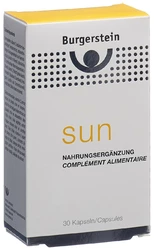
Which substances are especially effective against solar stress?
Effective helpers include vitamin C, vitamin E, the carotenoids beta-carotene, astaxanthin and lycopene, as well as trace elements selenium, zinc and calcium. Antioxidant vitamins protect the skin from oxidative stress caused by sun exposure.
Trace elements such as selenium and calcium serve as building materials, support metabolism, promote the regeneration of sun-damaged skin and play an important role in the skin's defence function. Zinc is involved in cell division, DNA synthesis, immune defence and also in protecting cells from oxidative stress.
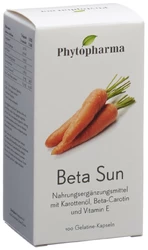
Beta-carotene is a plant secondary compound from the carotenoid group. These substances are produced by light-dependent plants to protect against infections and the negative effects of UV radiation. In the same way, carotenoids can protect our skin from within: regularly taken beta-carotene can intercept incoming sunlight in the outer skin layer, increase the body's natural protection factor and reduce the skin's sensitivity to UV.
Can astaxanthin improve natural sun protection?
Astaxanthin is one of the most effective sun-protection carotenoids. As a powerful antioxidant, it can protect our skin to a large extent from oxidative stress.
Astaxanthin is a compound of the green microalga Haematococcus pluvialis. It produces this red natural pigment under stress from lack of nutrients or water, extreme cold or strong sunlight. When the algae dry out in the warm season, astaxanthin becomes active and protects the sun-exposed algae from UV damage, ensuring their survival until the next rain.
A study by a US test laboratory found that people can also stay in the sun longer if they take 4 mg of astaxanthin daily.
What role does lycopene play in preventing sunburn?
Lycopene is another carotenoid for preventing cell damage and sunburn. It not only neutralises free radicals but also protects against changes in blood vessels, heart attack, rheumatic disease and damage caused by smoking.
Lycopene is present in high concentration in tomatoes, and studies have shown that consuming 55 g of tomato paste per day can increase the skin's natural protection against the sun by 33%. Lycopene is also found in melons, apricots, peaches, mangoes, wild berries, rose hips, grapefruits and pumpkins.
Are dietary supplements suitable as the sole UV protection?
All of these substances form a kind of natural internal UV shield. In a randomised clinical trial, participants received daily for 12 weeks either a dietary supplement (beta-carotene, lycopene and vitamin E) or a placebo. It was shown that the supplements significantly protected the skin compared with the placebo against the appearance of UV-B-induced erythema (sunburn).
However, dietary supplements alone are not sufficient as sun protection; they are suitable as a complement and prepare the skin to repair any damage that may occur.
Top tips for effective sun protection with dietary supplements
- Include foods with high antioxidant potential in your daily diet. They act as a natural sun shield.
- Beta-carotene is found in carrots, green leafy vegetables such as spinach, lamb's lettuce, endive or kale, watermelon and apricots. These fruits and vegetables also contain valuable fibre, phytochemicals, vitamins and minerals that complement each other.
- Note that beta-carotene from these products is better absorbed by the body when they are chopped, heated or consumed with fat.
- An overdose of beta-carotene has been linked to lung cancer in smokers. Since many foods such as breakfast cereals and sweets are fortified with beta-carotene, such an overdose can be reached easily. For smokers, a total intake of up to 15 mg is currently considered safe.
- Tomato juice is an excellent refreshing drink when sunbathing. About a glass of tomato juice providing 15 mg of lycopene per day helps reduce the risk of sunburn and strengthens the skin's natural defences. Lycopene builds a natural protection factor of 3 to 4.
- 80–100 ml of pure aronia juice diluted with plenty of water and drunk daily provides vitamins A, C and E as well as the minerals selenium, zinc and manganese. This supports the skin's and cells' natural protection.
- For effective protection, nutrient stores should already be well filled before the holiday. It is recommended to include plenty of fruit and vegetables in the diet several weeks before summer, preferably combined with vitamin E–rich oils.
- Supplements intended to protect against the intensity of solar radiation should ideally contain several of these ingredients: vitamin C, vitamin E, vitamin D, flavonoids, selenium, zinc, carotenoids and various unsaturated fatty acids. These supplements should be taken over a period of four weeks.
- Astaxanthin is gradually incorporated into skin cells. To achieve good sun protection, it is recommended to take a course of 4 to 8 mg astaxanthin daily for four weeks before the holiday.
- To prevent a sun allergy, a daily intake of 50–200 mg beta-carotene is recommended. Intake should begin at least three weeks before the expected increased sun exposure and continue throughout the period of increased sunlight and for a few weeks afterwards.
- Don’t forget to drink enough fluids. Only then can you compensate for fluid loss due to heat and prevent your skin from drying out. A cup of green tea a day not only refreshes the body but also supplies valuable bioactive plant compounds.
- Also pay attention to external protection with sunscreen, avoid prolonged stays in the sun, wear a sun hat and sunglasses and cover your body with appropriate clothing when sitting in strong sunlight. The best protection is achieved by combining internal and external sun protection.
With the right diet and targeted use of dietary supplements, your skin will be optimally supplied and, combined with external sunscreens, will have a good basis against harmful sun exposure!