
Black seed
The true all‑rounder for your health
editorial.overview
What is black seed (Nigella sativa)?
Black seed – also known by its botanical name Nigella sativa – is a long‑established medicinal and spice plant from West Asia. Despite its name, it is unrelated to common caraway or cumin. Botanically it belongs to the buttercup family (Ranunculaceae) and not – as is often mistakenly assumed – to the carrot family.
The annual plant grows up to about 60 centimetres tall and bears striking white or bluish flowers. From these flowers develop seed pods that contain the characteristic black, drop‑shaped seeds. Externally they have a rough, angular shell, while inside they are oily white – an indicator of their high content of valuable constituents.
Only the seeds are used; when dried they are versatile. In the kitchen they give flatbreads a nutty, spicy aroma and are often included in Middle Eastern spice blends. But black seed is more than a spice. Valued for centuries in traditional medicine, it is today used as a herbal medicinal product (phytotherapeutic), dietary supplement, in veterinary medicine and even as a natural insecticide. In the cosmetics industry the aromatic oil of the seeds is used as a fragrance and active ingredient.

How does black seed affect the body?
Black seed is much more than an aromatic spice – it has a range of health‑promoting properties investigated in numerous studies. Responsible for many of these positive effects is the plant compound thymoquinone found in black seed oil. It has been shown to be anti‑inflammatory, antioxidant and immune‑supporting – working through multiple mechanisms in the body.
Thymoquinone can inhibit inflammatory processes, for example in the lungs – comparable to the effect of cortisone, but naturally. At the same time black seed reduces the release of histamine, which benefits people with allergies such as hay fever or dust mite allergy. People with histamine intolerance also report symptom relief with regular oil intake.
In conditions such as asthma or rheumatoid arthritis it can significantly alleviate symptoms. Studies show a reduction in joint pain and morning stiffness in rheumatic patients. Digestion also benefits: bloating, a feeling of fullness or irritable bowel symptoms can be noticeably eased by taking black seed. Contributing factors include secondary plant compounds such as essential oils, saponins and tannins, which have soothing and anti‑inflammatory effects on the stomach and intestines.
Preliminary research indicates that black seed may help to lower blood pressure – particularly in people with hypertension. Blood glucose levels also appear to be positively affected. In studies with type‑2 diabetics, not only a reduction in blood sugar but also an improvement in cholesterol profile was observed.
Which vitamins and minerals does cold‑pressed black seed oil contain?
Cold‑pressed black seed oil stands out not only for its characteristic taste and centuries‑old use in traditional medicine, but also for its content of valuable vitamins and minerals.
It supplies a number of important vitamins: beta‑carotene, which the body converts to vitamin A, supports vision, protects the skin and strengthens defences. Biotin (vitamin B7) and folic acid (vitamin B9) promote healthy skin, hair and nails and are important for cell renewal. Other B‑vitamins such as B1, B2 and B6 have positive effects on the nervous system and mental performance. Vitamin C acts as a powerful antioxidant, supports the immune system and aids iron absorption. Vitamin E protects cells from free radicals and contributes to healthy blood clotting.
On the mineral side black seed oil also has much to offer: magnesium supports energy metabolism and muscle function. Selenium is protective for cells, participates in detoxification and strengthens the immune response. Zinc is important for wound healing, the immune system and hormone regulation. Copper assists iron utilisation and contributes to pigmentation of skin and hair.
Black seed oil – what side effects are possible?
Black seed oil is regarded as a natural remedy with many positive properties, yet as with many plant products side effects cannot be ruled out. Particularly sensitive individuals should be aware of possible reactions and use it with caution.
The effects of black seed oil are based on its natural constituents such as essential oils, unsaturated fatty acids and antioxidants. To acclimatise the body, it is advisable to start with a small amount and increase the dose gradually. It should not be taken on an empty stomach, as it can cause nausea in some cases.
Despite its natural origin, black seed oil can cause intolerances. Studies report itching and nausea among possible side effects. Especially with topical use, allergic skin reactions can occur. People prone to allergies or with sensitive skin should test the oil cautiously first – ideally on a small patch of skin.
For pregnant women it is important to seek medical advice before use. Some components of the oil, particularly certain essential substances, may stimulate contractions and therefore should not be taken without medical consultation.
While black seed oil can sometimes be used for natural care or as a supplement in dogs, absolute caution is required for cats. For cats the oil is toxic. Cats lack the necessary liver enzymes to break down the terpenes contained in the oil.
How should black seed oil be stored?
To preserve the valuable constituents and full effect of black seed oil, correct storage is crucial. Light, heat and oxygen can cause the oil to spoil faster and reduce its quality.
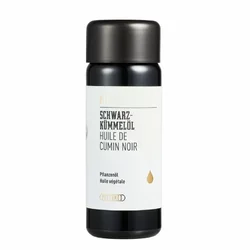
As long as the bottle is unopened, a cool, dark place at room temperature is sufficient, e.g. a pantry or cupboard. It is important that the oil is not exposed to direct sunlight. It is best kept in a dark glass container to protect it from light. Check the label: the indicated best before date is a reliable guide to how long the oil will keep unopened.
Once the bottle is opened, the situation changes. Black seed oil should then be stored in the refrigerator so it does not deteriorate quickly. It will remain fresh and effective there – but not indefinitely. Opened oil should be used within three months, otherwise it may lose quality or become rancid.
How is black seed used in cooking?
Black seed brings an oriental touch to cooking with its nutty, slightly bitter‑spicy flavour. In India black seed flavours spicy vegetable, fish and meat dishes. In the Middle East and Egypt it is often sprinkled over flatbread, pastries or salads. Ground or whole – the seeds are a highlight for lovers of aromatic spices. It is important to know that black seed does not tolerate high heat. If overheated it loses its valuable constituents and can taste bitter. Therefore add it towards the end of cooking or use it cold.
Cold‑pressed black seed oil also has culinary uses. Oils from organic cultivation are particularly high quality, as they are produced without pesticides. It is excellent for dressings, dips, bread or gentle steaming of vegetables. It pairs well with bowls, legumes, cheese dishes or delicate Middle Eastern recipes. Due to its intense aroma, use the oil sparingly – a few drops are often enough.
Black seed & black seed oil: how to get their full effect correctly
- Start with 1 teaspoon of black seed oil per day to get used to the strong flavour. If well tolerated the dose can be increased to 2 teaspoons. This helps avoid side effects while benefiting gently from the positive effects.
- Use the oil only cold, for example in salads or over cooked vegetables. Heating would destroy many valuable constituents such as vitamin E and unsaturated fatty acids. For warm dishes it is therefore suitable only as a topping.
- If the taste is too intense, mix the oil with yoghurt, add it to smoothies or eat some fruit afterwards. Banana or apple particularly neutralise the strong aftertaste. This makes daily intake considerably more pleasant.
- Try black seed oil in dips or on chickpea pancakes. It also pairs excellently with pumpkin‑lentil curries or roasted cauliflower. This gives your food both an aromatic and a healthy note.
- Apply black seed oil externally to dry or irritated skin. It moisturises, is anti‑inflammatory and can even help with skin problems such as acne or atopic dermatitis. Best applied in the evening and left to absorb.
- Massage a few drops of black seed oil into the scalp – ideally before going to bed. It strengthens hair roots, soothes the scalp and can help prevent hair loss. Alternatively it can be mixed into shampoo.
- Black seed oil has been shown to strengthen the immune system and can improve defences. Especially during cold season, regular intake can help ward off infections. It is important to use only high‑quality oil.
- The histamine‑lowering effect of black seed oil can relieve hay fever symptoms. Take it regularly preferably several weeks before the pollen season begins. This naturally reduces itching, swelling and breathing difficulties.
- Black seeds or tea are used in folk medicine to relieve digestive complaints. They promote gut health and act against bloating. For a tea, simply pour hot water over 1–2 teaspoons of crushed seeds.
- The oil can stimulate fat metabolism and regulate appetite. Combined with a healthy diet and exercise it can support weight loss. Simply integrate it into the daily menu – e.g. in a dressing or quark.
- Use black seed oil for oil pulling: swish it in the mouth for 10–15 minutes, then spit it out. It can reduce harmful bacteria and improve the oral flora. Ideal for a natural dental care routine.
- When buying, look for cold‑pressed oil of organic quality – preferably in dark glass bottles. This ensures that all valuable constituents are preserved. If these indications are missing, the product is often of inferior quality.
Black seed has been regarded for centuries as a versatile natural remedy with positive effects on the immune system and digestion. Its valuable constituents, particularly the essential oil thymoquinone, make it a popular component of natural health care. Whether as oil, seeds or capsules – black seed convinces by its wide applicability and the growing interest in modern research.