
Burdock
This tenacious plant helps make hair beautiful
What is burdock?
Which constituents are found in burdock?
This root has long been known for its medicinal effects thanks to abundant tannins, glycosides, resin, antibiotic compounds, potassium and essential oil. It contains sulfur‑containing acetylenic compounds such as arctinal.
Inulin is a prebiotic fibre that promotes the growth of healthy gut bacteria and may support detoxification.
Essential oils have antimicrobial and anti‑inflammatory effects, supporting skin and scalp regeneration.
Mucilages form a protective film over skin and mucous membranes, soothing and relieving irritation.
Tanninshave an astringent effect, helping with skin irritations, small wounds or oily scalps.
Polyacetylenes have antibacterial and anti‑inflammatory properties and contribute to the germ‑reducing effect.
Lignans (e.g. arctiin and arctigenin) are phytoestrogens with antioxidant properties that can, among other things, improve skin appearance and protect cells from damage.
Vitamins and minerals, especially potassium, magnesium and zinc, are present in small amounts and contribute to overall skin and hair health.
These constituents make burdock a versatile remedy—particularly for skin conditions, hair loss or gentle detoxification.
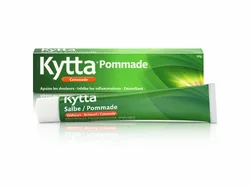
How is burdock used in traditional phytomedicine?
In traditional phytomedicine, burdock is most often used externally as a root or leaf extract.
Its active ingredients inhibit the production of inflammatory mediators, which, together with its antiseptic action, contributes to healing inflammations of various kinds (such as acne, dermatoses, eczema, furunculosis, skin infections, itching, insect bites, psoriasis, inflammations and hard‑to‑heal wounds in the mouth and throat).
What effect does burdock have on hair loss?
Burdock—particularly burdock root oil—is regarded as a traditional remedy to support hair loss. It contains valuable constituents such as arctiin, essential oils, tannins and mucilages that can soothe the scalp, promote circulation and strengthen hair roots. Through these effects, burdock can help support hair growth and improve hair structure.
Regular use, for example as rubs or as an ingredient in natural hair care products, can be particularly soothing for flaky, itchy or irritated scalps—a common companion of diffuse hair loss.
What internal uses does burdock have?
Burdock is also popular in naturopathy for its diuretic and sweat‑inducing properties, its ability to stimulate bile secretion and its blood‑sugar‑lowering effects, and it is used internally for gastrointestinal complaints.
Burdock tea is generally used during detox cures and helps stimulate metabolism and the elimination of toxins. However, these effects have not yet been scientifically confirmed.
Time‑tested medicinal herb: how burdock unfolds its full effect
- Young leaves and leaf stalks can be used in the kitchen like spinach. You can boil young burdock stems until soft, cut them into pieces and prepare them as a salad or serve them as a vegetable. Older leaves are not suitable as they taste bitter. The seeds of greater burdock can be well cleaned and used in bread, muesli or soups.
- For burdock root tea, pour a heaped teaspoon of dried burdock root into 250 ml of cold water, leave to infuse for five hours, bring to the boil for one minute and strain. Such a tea may be used internally to purify the blood, to promote liver‑gallbladder activity and in diabetes.
- For dandruff and hair loss, use burdock root tea as a rinse.
- For eczema and skin blemishes, burdock root tea can be used as a wash, compress or for dabbing.
- For painful joints, gout, arthritis and rheumatism, compresses with burdock root tea can relieve symptoms.
- In hair loss following prolonged illness, burdock root oil improves circulation. It is used for rubbing into the scalp.
- You can make a burdock root tincture yourself. Fill a screw‑top jar with the crushed and pressed root, cover with high‑proof alcohol or grain spirit, leave for 2 to 4 weeks in a warm place and then strain the tincture. Take five drops diluted in water three times daily.
- Against hair loss, a tincture made from burdock roots and vinegar is used. Boil a tablespoon of burdock roots in a litre of water, cool and mix with the same amount of apple cider vinegar. Massage the scalp with this tincture twice daily.
Try these effects of greater burdock yourself and be convinced that this plant is not just a bothersome weed!