Stinging nettle
This nutritional powerhouse can also boost your libido
editorial.overview
Why does the stinging nettle sting?
Stinging nettle can be found almost everywhere in the world. It gets its name from the stinging hairs on stems and leaves, which contain an irritating liquid and leave a burning sensation with tingling welts when they come into contact with the skin.
These countless stinging hairs help the plant protect itself from herbivores. They contain formic acid and inflammatory substances such as histamines – no wonder our skin responds with an allergic reaction (hives).
Which nutrients make stinging nettle so valuable for health?
Stinging nettle contains minerals, silica, flavonoids and is particularly rich in potassium and iron. Its leaves have a mildly diuretic, pain-relieving and anti-inflammatory effect.
Stinging nettle provides two to four times as much iron as a beef steak. It's no coincidence that nettle is regarded as the number one medicinal plant for women with iron deficiency and is especially popular with vegans and vegetarians, since it contains, among other things, over 30 percent protein. In addition, nettle is rich in vitamins A and C.
How does nettle help with digestive problems and blood sugar regulation?
Nettle can help with digestive problems because its constituents – such as bitter compounds, flavonoids and tannins – stimulate the production of gastric and bile juices, thereby promoting digestion. It also has a mild diuretic effect, which supports metabolism and can counteract bloating.
Regarding blood sugar regulation, studies show that nettle can inhibit enzymes that break down carbohydrates in the intestine, causing blood sugar to rise more slowly after eating. It is also thought to possibly improve insulin sensitivity – which is of particular interest for people with type 2 diabetes.
For which joint complaints and urinary problems does nettle work?
The anti-inflammatory and pain-relieving properties of nettle ease pain in osteoarthritis and arthritis and can help reduce pain and joint stiffness, thereby improving joint function.
Due to its high potassium content, nettle increases urine output and promotes a more alkaline environment in the urine. With adequate fluid intake, nettle can help with bladder infections and an overactive bladder and can help prevent bladder and kidney stones, since stone-forming mineral salts cannot crystallise in alkaline urine. For urinary problems due to a benign prostatic enlargement, this medicinal plant is also very beneficial.
What role does nettle play for the immune system and hormone production?
In addition, nettle strengthens antibody production and the activity of phagocytic cells, thus supporting the immune system.
Since nettle seeds contain hormone-like substances, they can promote not only libido, potency and sperm production, but also milk production in breastfeeding mothers.
From root to leaf: using nettle effectively
- You can use nettle leaves and seeds against hair loss and reduced hair growth. Applied externally, its leaves regulate the pH and sebum production of the scalp. The seeds have a unique nutrient profile and strengthen hair roots if you take one to two tablespoons daily in soups or salads.
- There are ready-made shampoos and conditioners on the market, but you can also make them yourself. Take a teaspoon each of chopped nettle leaves, chamomile and rosemary, pour 100 millilitres of boiling water over them and let the infusion steep for about 15 minutes. Add a little apple cider vinegar. Apply this hair water to washed hair. It does not need to be rinsed out.
- Nettle tea can be used as a facial wash for pimples, eczema and acne to improve skin appearance. It can also relieve allergic skin reactions. For oily skin, nettle tinctures can provide relief.
- Young nettle leaves are well suited for fresh, nutrient-rich salads because they have not yet developed stinging hairs. Older leaves can be used cooked in a pesto, in healthy smoothies or as an alternative to spinach. During processing the stinging hairs are neutralised. If you want to eat the leaves raw, you can wrap them in a cloth and roll over them several times with a rolling pin. Or you can steam the leaves for a few minutes and use them to enhance sauces, mashed potatoes, hard cheeses and dairy products.
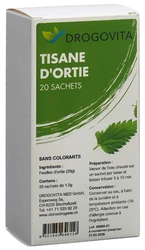
- A spring nettle cure in the form of teas or fresh plant-pressed juice can stimulate the metabolism, flush the kidneys and urinary tract, strengthen connective tissue, skin, hair and nails and supply your body with potassium, magnesium, silicon and vitamin C. For this cure, drink three to four weeks three cups of nettle tea a day or three times a tablespoon of nettle juice daily. And don't forget to drink enough water.
- In organic gardening, nettle liquid manure (nettle tea) is valued. It is used as a natural, nitrogen-rich liquid fertiliser and as a plant protection against insects. You can easily prepare nettle manure yourself. Pour water over nettles, place them in a warm spot and stir the mixture daily. The nettles then release their valuable constituents into the water.
- In very sensitive people, nettle can cause gastrointestinal complaints, nausea or allergic skin irritations such as itching or redness. In cases of heart failure or impaired kidney function and during pregnancy, nettle should be avoided. Nettle is also not recommended for children, as there are not enough studies.
Nettle is considered a natural, holistic and at the same time powerful dietary supplement. Make use of its power!