

Collagen supplements
The protein that rejuvenates your skin
editorial.overview
What role does collagen play in our body?
Collagen plays a key role in our body, as it is responsible for the structure and strength of skin, bones, tendons and ligaments. It forms a dense network in the middle layer of the skin that, together with elastin fibres, supports the skin and gives it elasticity. This network keeps the outer skin layer firm and smooth by retaining water and plumping the skin from within.
Collagen also protects tendons, bones and ligaments from injury and promotes their regeneration. Collagen supports the repair process in the healing of small skin inflammations that can lead to blemishes or wrinkles.
With age, collagen helps preserve the structure of bones and skin. It can be supplied in the form of creams, capsules or powders to offset the natural collagen loss caused by the enzyme collagenase. Regular intake is necessary, however, because the body continuously breaks down collagen.
Besides the skin, collagen is also important for the firmness of muscles and bones. It contributes to bone density and can improve the stability of joint structures and cartilage, thereby supporting smooth joint movement.
What are the benefits of collagen supplements?
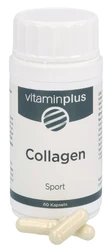
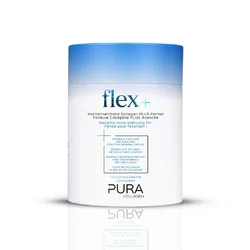
Collagen supplements in the form of powders, capsules or drink ampoules are often promoted to compensate for age-related collagen loss in the body. Manufacturers promise benefits such as smoother skin, healthier cartilage and stronger ligaments and joints.
Collagen in creams is said to penetrate the top layer of the skin and visually plump fine lines by improving skin moisture. In fact, these products can slightly smooth superficial dry areas because the moisture in the creams plumps them up. However, the collagen contained in creams does not reach deeper skin layers and cannot stimulate collagen-producing cells there.

Is there vegan collagen for joints?
Vegan collagen does not occur naturally in plants, as collagen is produced exclusively by animal and human bodies. Although the term “vegan collagen” is frequently used, it is not strictly correct. Instead, there are vegan products that can stimulate the body's own collagen production. These products contain plant-based ingredients that encourage the body to produce more collagen itself.
There is also a biotechnological innovation where vegan collagen is produced in the laboratory by fermentation. Microorganisms such as yeasts or bacteria are genetically modified to produce proteins resembling animal collagen. This process makes it possible to offer vegan alternatives that are structurally and functionally very similar to human collagen. The method provides an ethical option for those avoiding animal products and offers vegan support for skin and musculoskeletal health without relying on traditional animal sources.
Skin, bones, joints: is taking collagen sensible?
Taking collagen can be beneficial, especially since the body's own collagen production declines from about age 25, which can lead to visible changes in the skin as well as a deterioration in bone and joint health. Numerous studies show that targeted supplementation with collagen preparations can help strengthen and maintain these structures. Products containing hydrolysed collagen or low-molecular collagen peptides are particularly effective because they are better absorbed by the body.
Hydrolysed collagen is broken down in the small intestine into small peptides and amino acids that then enter the bloodstream and are transported to various tissues in the body, including the skin. An alternative to taking collagen directly is to supply the amino acids glycine, proline and lysine, which serve as building blocks for the body's own collagen synthesis.
The timing of collagen intake is not critical – it can be taken either in the morning or in the evening. What matters most is that the intake is regular in order to achieve the desired effects. The key is to integrate supplementation into daily routine in a sustainable way.
What advantages does collagen powder offer for the skin?
Collagen powder offers several benefits for the skin, particularly through its supportive effect on skin structure. It helps strengthen the skin's collagen framework, which can reduce early fine lines and improve firmness and elasticity, resulting in an overall firmer appearance.
Another advantage is support for the skin's moisture balance. With regular use the skin can retain moisture better, which is beneficial not only for dry skin but also helps the complexion look fresher and more radiant.
Furthermore, daily supplementation with collagen peptides has been shown to improve the appearance of cellulite. By strengthening connective tissue, collagen helps to firm the skin across the body and reduce the appearance of dimpling, for example on the thighs.
Can collagen contribute to joint health?
Collagen can make a positive contribution to joint health by supporting their stability and flexibility. It is an important component of connective tissue that reinforces joints and bones and makes them more resilient. Especially for people who heavily stress their joints through intense sport or recurring joint pain, additional collagen supplementation can be helpful. Studies have shown that a daily dose of 40 milligrams of type II collagen can help improve joint function and reduce the occurrence of pain during physical exertion.
In particular, it has been found that collagen supplementation can improve the condition of the knee joint and relieve pain in people with knee osteoarthritis. These findings suggest that collagen can help increase the load-bearing capacity of joint structures and reduce pain.
Can taking collagen powder be dangerous?
Collagen powder is generally considered safe when the recommended dosage is followed. Side effects can occur, especially in cases of fish allergy when the collagen is derived from fish sources. Some products contain additional ingredients such as nicotinamide or nicotinic acid, which at excessive intake can cause skin redness or hot flushes.
Rare side effects include gastrointestinal complaints such as nausea, bloating or diarrhoea. Sensitive individuals may also experience dizziness or headaches, often due to additives in the product. It is recommended to consult a physician before taking collagen powder if you have allergies or health issues, and not to exceed the recommended daily dose.
How to support your body's own collagen production: effective tips
- Always use sunscreen. Protect your skin early from UV rays to avoid disturbing collagen formation.
- To promote collagen production, avoid environmental toxins and tobacco smoke.
- Avoid alcoholic beverages, as they can impair collagen formation.
- Keep your heart moving. Incorporate regular physical activity or sport into your daily routine, as this stimulates collagen production.
- Complement your diet with protein-rich foods such as bone broth or chicken to obtain natural collagen.
- Eat foods rich in vitamin A, such as apricots, sweet potatoes or carrots. Vitamin C–rich foods are also recommended. Prefer citrus fruits and berries to help prevent collagen breakdown.
- Consume foods that contain lycopene. Tomatoes, papayas, watermelon or pink grapefruits support collagen production.
- Eat foods that contain lysine. Cashew nuts, lentils or soybeans promote connective tissue formation.
- Sugar and salt should be consumed in moderation so as not to hinder collagen uptake.
- Prefer cuts of meat with high connective tissue content. Choose pieces such as neck, breast or shoulder, which contain a lot of collagen.
- Supplement your diet with antioxidants, as found in green leafy vegetables, to protect collagen from oxidative stress and associated degradation.
- Take collagen hydrolysate as a supplement to increase bioavailability. Bioactive substances in marine collagen promote the formation of collagen fibres and strengthen hair and blood vessels.
- Combine collagen hydrolysate with hyaluronic acid to improve hair health and bioavailability.
Collagen supplements can be a valuable support for skin elasticity, joint health and general vitality. However, it is important to view these supplements as part of a balanced lifestyle that also includes a healthy diet and regular exercise.
.jpg.webp)


