Hyaluronic acid
The agent for beautiful skin
editorial.overview
What is hyaluron or hyaluronic acid?
Hyaluron, or hyaluronic acid is a natural substance found in the human body, primarily in the skin, joints and connective tissue. It has the special ability to hold large amounts of water, which helps keep the skin firm and elastic.
As we age and due to factors such as UV radiation and environmental stressors, the concentration of hyaluronic acid in the skin decreases, which can lead to loss of elasticity and wrinkle formation. In cosmetics, hyaluronic acid — particularly in its low-molecular-weight form — is often used to deeply hydrate the skin and improve skin texture.
Hyaluronic acid is also produced by specialised cells in the body, such as fibroblasts and keratinocytes. It contributes to a gel-like, pressure-resistant matrix that serves as a supportive and lubricating substance, which is especially important in cartilage and skin. The versatility and importance of hyaluronic acid make it a key ingredient in various areas of medicine and cosmetics.
What does hyaluronic acid do for skin & body?
Hyaluronic acid offers many benefits for the skin and body. One of its main advantages is the ability to retain moisture. It penetrates deeply into the skin and hydrates all layers, keeping the skin smooth and supple. This intense hydration makes the skin firmer and plumper, which is particularly noticeable in areas such as the cheeks and jawline that tend to lose volume with age.
Another advantage of hyaluronic acid is that it helps define facial contours. As we age, the skin loses collagen and elastin, which softens facial contours. Products containing hyaluronic acid can help maintain firmer contours and improve overall skin appearance.
Hyaluronic acid also has antioxidant properties that help combat free radicals in the body and promote healing of skin wounds by accelerating the repair process and reducing inflammation. It also strengthens the skin barrier, leading to a brighter complexion and healthier-looking skin.
Does hyaluronic acid help with dry skin?
Yes, hyaluronic acid can be effective in caring for dry skin as it can provide the skin with moisture. It acts as a humectant and helps ensure the skin surface stays well hydrated.
However, it is important to know that hyaluronic acid alone is not enough to improve dry skin in the long term. The skin also needs a healthy barrier to retain moisture. If the skin barrier is weakened, the moisture provided by hyaluronic acid can be lost quickly, particularly if product use is interrupted.
Can hyaluronic acid be used on oily skin?
Yes, hyaluronic acid can also be used on oily skin. Although oily skin is characterised by increased sebum production, it can still lack moisture. Hyaluronic acid helps balance the skin's moisture without making it greasy or clogging pores. It is lightweight, absorbs quickly and is ideal for oily skin.
Hyaluronic acid can also be used in serums or masks. A hyaluronic acid serum can regulate skin hydration and reduce impurities without feeling greasy.
Is hyaluronic acid good for joints?
Yes, hyaluronic acid can be beneficial for the joints, particularly for certain joint complaints such as osteoarthritis and arthritis.
In osteoarthritis, a form of joint wear, treatment with hyaluronic acid can help improve joint mobility and relieve pain. Osteoarthritis often affects major joints such as the knee, hip or spine and can cause pain, restricted movement and swelling. Injections of hyaluronic acid improve tissue lubrication and reduce pain. This therapy is most effective when there is still sufficient joint cartilage present, as the active substance may be less effective in severely damaged joint areas.
Hyaluronic acid can also have a positive effect in cases of arthritis, i.e. inflammation of one or more joints. This is particularly relevant for rheumatoid arthritis and other inflammatory joint diseases. Hyaluronic acid can help improve mobility and reduce the pain typically associated with inflammation.
Which wrinkles can be treated with hyaluronic acid?
Hyaluronic acid is a versatile option in wrinkle treatment and can be effective against various types of wrinkles. It is especially effective for treating small, superficial wrinkles as well as deeper wrinkles such as the nasolabial fold. Good results are also achieved in smoothing fine lines around the mouth and lips. Hyaluronic acid is also suitable for treating horizontal forehead lines and rejuvenating the backs of the hands.
Hyaluronic acid is less suitable for dynamic wrinkles caused by muscle movement, such as frown lines or laugh lines. In these cases, treatments with Botox are often more effective. However, in many cases, a combination of hyaluronic acid and Botox can be useful to achieve a comprehensive result.
Hyaluronic acid can also be used to compensate for volume loss in the face, for example in sunken cheeks or deep under-eye hollows. It is also used for lip shaping and for small corrections to the nose and chin. For more extensive facial volume augmentation, such as liquid lifting, hyaluronic acid can be combined with other fillers to achieve a firming and rejuvenating effect.
What side effects does treatment with hyaluronic acid have?
Treatment with hyaluronic acid is generally considered safe, as this substance naturally occurs in the body. Nevertheless, side effects can occasionally occur. Possible reactions include skin irritation or, in rare cases, infections at the injection site. It is therefore important to maintain the highest level of sterility during injections to minimise the risk of infection.
When using hyaluronic acid to treat joint issues such as osteoarthritis, therapy should be discontinued if inflammation is already present in the joint area or develops subsequently.
How to support hyaluronic acid storage: effective tips
- You can obtain hyaluronic acid through your diet. Include mackerel, bone broth, potatoes, tofu and almonds in your meals.
- For firmer skin there are creams and gels with hyaluronic acid. These cosmetics can have a temporary anti-ageing effect: they remain on the skin surface and visually rejuvenate that area.
- For daytime make-up you can use fluids or foundations that contain hyaluronic acid to make the skin appear less wrinkled.
- Note that there are different types of hyaluronic acid and their effects vary: the smaller and lighter the molecule, the deeper it can penetrate the skin, but the less water it can bind. Long hyaluronic acid chains form a film on the skin surface and have a very short-term effect; shorter chains penetrate more into the skin so the effect lasts longer; the micro variant (oligo-hyaluronic acid) has an even longer-lasting smoothing effect.
- In daily care, hyaluronic acid can hydrate the tissue and nurture the molecules within the tissue. Products containing sodium hyaluronate improve moisture supply and are well tolerated. Note that the vitreous body in ophthalmology can also benefit from hyaluronic acid.
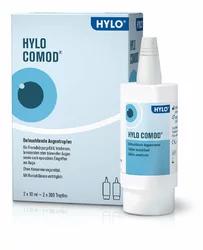
- For treating dry eyes, eye drops with hyaluronic acid are effective. They create a thin, water-binding film over the dry eye. This film keeps the eyes moist even longer than natural tears.
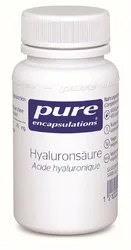
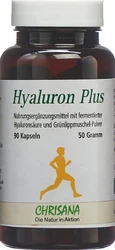
- Hyaluronic acid as a dietary supplement offers more benefits for the skin because it works from the inside and supports the whole connective tissue of our body. It is best to take the full daily dose at once after a meal. An effective dosage is considered to start at 200 milligrams of hyaluronic acid per day. Combined supplements with vitamin C and zinc are advantageous, as these are also important for musculoskeletal health and for tissues that support, protect and structure organs in the body.
- Hyaluronic acid treatments improve joint fluid and can be used in joints. Use sodium hyaluronate for good tolerability and effective distribution of molecules in tissues. Pay attention to correct dosing to achieve optimal results.
- For wrinkle injections hyaluronic acid should be carefully injected into the tissue with a precise syringe.
- Drink enough water so that hyaluronic acid works more effectively. On average our body needs eight large glasses of water a day.
- Note that hyaluronic acid supplements do not take effect from day one: the first visible results on the skin only appear after several weeks and the movement structures usually take significantly longer to improve.
- Skin care products with hyaluronic acid can, rarely, cause intolerance reactions and allergies.
Hyaluronic acid is a versatile active ingredient valued in skincare for its moisture-retaining properties. With regular use it can help make skin plumper and smoother, contributing to a more youthful appearance.