Contouring
With light and shadow to the perfect face
What is Contouring?
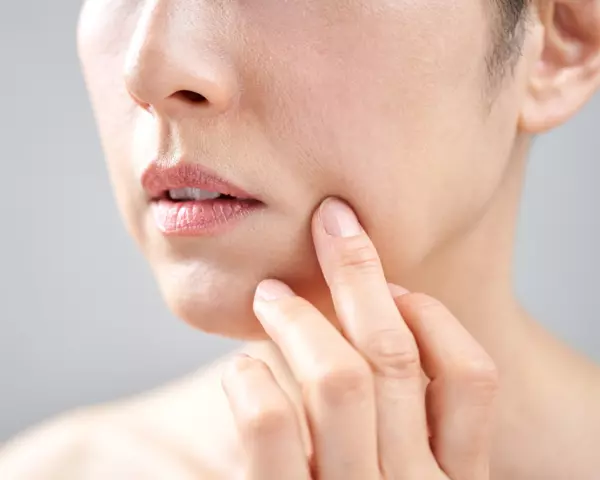
Contouring is about deliberately defining certain facial areas and accentuating them visually. By playing with darker and lighter shades, you can emphasise specific areas or subtly push them into the background. For example, a wide nose can appear narrower, cheekbones can look more pronounced and lips can seem fuller.
editorial.facts
- As early as the 16th century, stage performers in England used chalk and soot to make their facial features visible to the audience. Later, Hollywood make-up artists such as Max Factor were already developing specific tutorials for facial contouring in 1945 to make actors' faces appear more sculpted on screen.
- Contouring has long since moved beyond the face alone. With the trend of “body contouring” in the 2000s, a new form developed. Body areas such as calves or even the décolletage are emphasised with make-up – a technique also known as “boob contouring”. In this way, light and shadow can also be used to model the body visually.
How does contouring work?
Contouring relies on the targeted use of colour – and that is what makes the technique so interesting. With a darker shade – usually in the form of powder, cream or stick – you sculpt the parts of the face you want to recede visually. Popular areas include under the cheekbones, along the hairline and at the sides of the chin.
A small trick helps find the perfect spot for cheek contouring. Place a brush from the ear to the corner of the mouth. Where you feel a slight hollow, the contour begins. Using a bronzer, draw a line from the hairline to about the middle of the cheek, but not too close to the mouth.
Forehead, temples and nose can also be modelled with contouring. To visually slim the nose, use a fine, angled brush to apply bronzer along the sides of the bridge – from the start of the brows to the nostrils. This creates a harmonious play of light and shadow that adds depth to the expression.

What do you need for contouring?
The core items are contour products in cool, brownish-ash tones that mimic natural facial shadows. Whether powder, cream or stick is a matter of personal preference. Many people combine textures for added depth and precision. It is important to avoid tones that are too warm, as they tend to make features look patchy rather than sculpted.
For highlights – the areas that should catch the light – a lighter concealer, a subtly shimmering highlighter and transparent setting powder are useful. Optional but effective are a touch of blush for fresh accents and a setting spray to seal the look for long wear – especially helpful when several layers are applied.
Different brushes are essential for application and, above all, for careful blending. Only then will the make-up merge harmoniously with the skin and the contouring look natural.
Welcher Effekt ist Ihnen beim Contouring am wichtigsten?
Which different contouring products are available?
Contouring products come in various textures and formats – depending on the look you want to achieve and your make-up preferences. Contouring palettes are especially popular; they contain multiple shades for both shading and highlighting. They usually include cool brown tones for contouring and lighter shades for emphasis, ideal for modelling the face evenly.
You can choose powder or cream products. Powder is easy to apply, provides a matte finish and is particularly suitable for beginners or people with oily skin. Creamy contour products offer stronger coverage, effectively conceal imperfections and are mainly suited to more experienced users.
Bronzers and highlighters also play an important role. While the bronzer gives the complexion a warm, slightly tanned note and creates soft transitions, the highlighter places targeted light accents that make cheekbones, nose or the lip area glow.
How does contour make-up stay fresh all day?
To keep your contouring looking as fresh in the evening as it did in the morning, proper preparation and fixation are crucial. The base starts with a good primer. It smooths the skin, minimises pores and helps the make-up adhere better. Once contouring is applied and blended, a transparent setting powder helps keep everything in place. For even more hold – especially in warm weather or on long days – a setting spray is recommended to gently seal the entire make-up.
Blotting papers are a clever on-the-go helper. They remove excess shine without disturbing the make-up and are perfect for quick touch-ups.
How best to remove contouring make-up?
To avoid stressing the skin unnecessarily, choose a remover specifically formulated for long-wear make-up. Whether lotion, oil or micellar water is a matter of preference. The important thing is that the products work thoroughly yet gently and remove even stubborn contouring residues with ease.
For practicality, make-up wipes are an option. They are ideal when travelling or when time is short. Afterwards, the skin should in any case be cleansed with a gentle cleansing gel or foam to remove residues. A soothing care product – such as a moisturising cream or serum – helps the skin regenerate overnight so it is ready the next morning for the next flawless contouring look.
What is meant by jawline contouring?
Jawline contouring specifically emphasises the jaw area to give the face more structure and definition. The so-called “jawline”, the line between chin and neck, plays an important role for a harmonious facial profile. With the right contouring you can visually tighten, define or gently model this area – all without surgical intervention.
In the beauty field make-up is typically used. Applying a cool, dark shade along the jawline produces a shadow effect that makes facial features appear slimmer. For longer-lasting results, aesthetic treatments with hyaluronic acid are also an option. The well‑tolerated, water‑binding gel is injected into the jawline to add volume and create clear contours – for a confident, defined appearance.
Tips: How to do contouring correctly?
- Start with the right base. Well-prepared skin is the foundation of any successful contouring. Cleanse and hydrate your face thoroughly before you begin with make-up. A primer also helps to refine pores and extend wear.
- Choose the right shades. Make sure the contour colour is two to three shades darker than your skin tone. This creates the desired shadow effect without appearing unnatural. A shade that is too light or too warm can make the face look patchy.
- Pick the right texture. Powder or cream depends on your skin type and the finish you want. Powder gives a matte, lightweight result, while creams provide more coverage and make the skin glow. Try both to see what suits you best.
- Work with your face, not against it. Every face shape benefits from different contours. For round faces, dark contours along the cheeks create a slimming effect, while an angular face appears more harmonious with softer shading. Always emphasise your individual advantages.
- Place lines in the right spots. Apply dark colour beneath the cheekbones, along the hairline and at the jaw. The nose looks slimmer if you contour its sides. A highlighter on the forehead, nose, tip of the nose and cheekbones brightens the face and opens the eyes, making the look more awake.
- The nicest contour look loses impact if hard edges remain. Use soft brushes or beauty sponges to create gentle transitions. This gives a natural, elegant result.
- Use highlighter sparingly. Highlighter brings out the areas that naturally catch the light: cheekbones, bridge of the nose and cupid’s bow. Less is more here – opt for small accents rather than broad shine.
- Play with bronzer. Bronzer is not only for adding warmth. In combination with contouring it can soften transitions and make the look more natural. In summer it provides a sun-kissed complexion.
- Choose the right tools. Every product needs an appropriate brush. Angled brushes suit contours, fine pointed ones suit highlighters. For blending, reach for fluffy brushes or sponges.
- Apply products in thin layers and build intensity as needed. This avoids a mask-like appearance. Natural contouring always looks more elegant than an overdone result.
- To keep your contouring fresh for hours, a setting spray is recommended. It seals the make-up and prevents it from running. It is indispensable for long days or hot weather.
- After a long day, don’t forget to remove contouring gently. Use a make-up remover or micellar water and then cleanse your face with a mild gel. A moisturising care product afterwards restores the skin’s balance.
Contouring is much more than a make-up trend – it is a method to individually shape your face and present your best features. With the right interplay of light and shadow you create a look that works both for subtle daytime wear and glamorous evenings. Try different products and techniques to find your personal contouring style.