Wrinkles
How to look younger
editorial.overview
How do facial wrinkles form?
Facial wrinkles mainly arise from a combination of natural ageing processes and external influences. Dynamic wrinkles develop from repeated movements of the facial muscles, such as smiling or frowning. This type of wrinkle is often called an expression line because it is directly related to our emotions and facial expressions.
Static wrinkles develop over time independently of facial movements, often as a result of the natural ageing process, during which the skin loses elasticity and gravity takes effect. Static wrinkles can even be visible at rest, for example while sleeping.
Actinic wrinkles are caused by long-term sun exposure and other external environmental factors such as UV radiation. They are often aggravated by excessive sunbathing and visits to tanning beds. Typical areas for this type of wrinkle are the lips, cheeks and forehead.
What kinds of wrinkles appear on the face?
Various types of wrinkles appear on the face, each with its own causes and characteristics. Nasolabial folds run from the sides of the nose to the corners of the mouth. They can be intensified by factors such as significant weight loss, stress, lack of sleep, alcohol and nicotine consumption.
Nasal lines (bunny lines) are small wrinkles that form between the bridge of the nose and the corners of the eyes. They are often visible when laughing or scrunching the nose. Frown lines (glabellar lines) are vertical wrinkles between the eyebrows, caused by frequent frowning or intense concentration. These lines can give the face a serious or worried appearance.
Marionette lines run diagonally from the corners of the mouth to the chin and can impart a sad expression to the face. Crow's feet are small laugh lines that form at the outer corners of the eyes. They occur due to the thin skin in that area and are commonly involved in facial expressions such as smiling.
Chin wrinkles (pebble chin) form from frequent muscle movements in the chin area and can become more prominent with a reduction in subcutaneous fat. Forehead lines, often also called worry lines, develop from unconscious facial movements and tension of the forehead muscles.
Perioral lines (smoker's lines) are vertical lines that run from the lip to the nose or chin and are often due to skin ageing and volume loss. Turkey neck (platysmal bands) are folds caused by skin laxity in the neck and are often characterised by excess skin or fat between the neck muscles.
Which skincare helps with facial wrinkles?
Effective skincare plays a major role in preventing facial wrinkles and softening existing ones.
Key ingredients in an effective skincare routine include retinol, an active ingredient known to improve the overall appearance of the skin and to reduce fine and moderate wrinkles. Retinol promotes cell renewal and stimulates collagen production, making the skin firmer and more elastic.
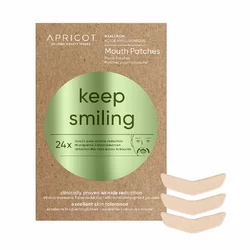
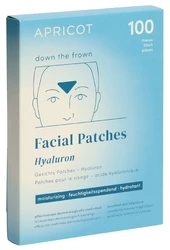
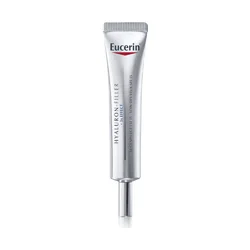
Another important ingredient in anti-ageing products is hyaluronic acid. It is known for its ability to hydrate the skin and improve its elasticity. Hyaluronic acid binds moisture in the skin and helps keep it plump and smooth.
Vitamin C, an antioxidant, is important for collagen synthesis and helps protect the skin from premature ageing due to environmental factors like UV rays. Vitamin C also helps to even out skin tone and reduce pigmentation spots. As vitamin C is light-sensitive, products containing this ingredient should be stored appropriately.
Peptides, small protein fragments, strengthen skin structure. They signal the skin to produce more collagen, which helps reduce lines and wrinkles. Daily sunscreen is essential to protect the skin from the damaging effects of UV rays, which can accelerate wrinkles and other signs of skin ageing. A broad-spectrum sunscreen with a high SPF (at least SPF 30) should be applied every day, even on cloudy days.
A good moisturiser should be part of every skincare routine to support the skin barrier and prevent moisture loss. Products containing ingredients such as glycerin, ceramides and fatty acids help keep the skin supple and reduce fine lines and wrinkles.
How does hyaluronic acid work against wrinkles?
Hyaluronic acid is an important component in skincare, especially for combating wrinkles. This natural, body-produced substance has the remarkable ability to bind large amounts of water — up to 10,000 times its own weight. This property makes hyaluronic acid a powerful hydrator that keeps the skin plump and elastic.
As we age, the body's natural production of hyaluronic acid decreases, resulting in a loss of moisture, elasticity and ultimately more visible wrinkles. In skincare, hyaluronic acid is therefore commonly used to counteract these effects. It is available in various forms, from serums and creams to injections, and offers different benefits depending on molecular size.
Short-chain hyaluronic acid has smaller molecules that can penetrate deeper into the skin. There it helps retain moisture, smooth wrinkles from within and improve skin density.
Long-chain hyaluronic acid, with larger molecules, remains on the skin surface where it forms a barrier against moisture loss and gives the skin immediate hydration and a smoother appearance.
Hyaluronic acid is particularly effective around the eye area and for fine lines because it provides instant hydration and plumps the skin, making wrinkles less visible. It also helps the skin maintain its protective barrier.
Although hyaluronic acid offers many benefits, it is important to have realistic expectations. The effects of topical hyaluronic acid last only as long as it is applied. It cannot reverse age-related changes caused by long-term environmental factors such as UV radiation.
For optimal results, choose products that contain both short- and long-chain hyaluronic acid to address both deep and surface skin layers. It is also advisable to check the additional ingredients of skincare products and ensure they are suitable for your skin type to avoid allergic reactions or irritation.
Which wrinkles are filled by lipofilling?
Lipofilling is an advanced cosmetic treatment designed to restore a youthful facial appearance by replenishing volume and smoothing wrinkles. This method uses autologous fat tissue, harvested from other body areas and injected into strategically chosen facial sites. The treatment can address a variety of wrinkles and areas affected by natural ageing.
Forehead lines and sunken temples can be filled with lipofilling to achieve a smoother forehead surface and a more youthful temple contour.
Over time, the cheeks lose volume, the skin sags and wrinkles form. Lipofilling helps plump the cheeks and enhance the cheekbones, resulting in a firmer, more defined appearance.
Dark circles and hollow eye areas can be treated with lipofilling by restoring volume under the brows and around the tear trough, producing a fresher, more rested look.
Nasolabial folds can be softened with lipofilling, making the face appear smoother and younger. Marionette lines can be filled to reduce a sad or tired expression.
Lines in the chin area and an indistinct jawline gain more firmness and contour through the introduction of fat tissue.
Lipofilling is valued not only for its effectiveness in volumising and reducing wrinkles, but also for its low complication risk. Because autologous material is used, the risk of allergic reactions or rejection is low. However, it is important to know that not all injected fat survives permanently. The success rate — i.e. how much fat remains long-term — varies and depends on several factors, including the surgeon's technique and the characteristics of the recipient tissue.
Which wrinkles does Botox (botulinum toxin) smooth?
Botulinum toxin, commonly known as Botox, is a popular agent for smoothing facial wrinkles and is derived from the bacterium Clostridium botulinum. It works by blocking the transmission of nerve signals to the muscles, causing the muscles to relax and the overlying skin to smooth.
This mode of action makes Botox particularly effective for treating wrinkles caused by facial movements. For example: forehead lines, frown lines, crow's feet, bunny lines, marionette lines, smoker's lines, mentolabial folds and chin wrinkles.
Botox is also used in other areas such as the neck and décolleté to treat expression lines and wrinkles. The procedure typically takes only a few minutes and the effect lasts about four to six months.
It is important that Botox treatments are performed by experienced medical professionals to minimise the risk of side effects and to achieve optimal results.
Preventing and reducing wrinkles: helpful tips
- Use antioxidants to protect your skin. Antioxidants such as vitamin C, astaxanthin, Q10 and OPC protect cells from damage caused by free radicals. A balanced diet rich in fruit, vegetables, legumes and nuts supplies the body with these important nutrients. Also consider high-quality antioxidant supplements to improve the skin's oxidative protection and promote a healthy, firm complexion.
- Adopt an anti-inflammatory diet. Inflammation can accelerate skin ageing. Incorporate anti-inflammatory foods such as organic vegetables, whole grains, fish and plant-based fats into your daily diet. Avoid highly processed foods, red meat and products high in sugar and salt.
- Support collagen production. Collagen keeps the skin firm and elastic. Natural production declines with age but can be supported by dietary collagen and specific supplements like hydrolysed collagen powder. Zinc, vitamin C and copper are also important for collagen synthesis and formation.
- Do regular endurance exercise. Studies show that endurance training like jogging, cycling or swimming increases the length and activity of DNA telomeres. This supports cellular regenerative capacity and contributes to healthier ageing. Aim for two to three endurance sessions per week to help keep your skin and body youthful.
- Use sunscreen daily. UV rays are a major cause of premature skin ageing. Protect your skin daily with a facial cream that provides adequate sun protection. Even in winter and on cloudy days, sunscreen should not be neglected to help prevent pigmentation spots and wrinkles.
- Include vitamin C in your skincare. Vitamin C not only boosts collagen production but also protects against pigmentation and improves skin texture. Use vitamin C serums or creams morning and evening to maximise protection against free radicals and strengthen skin health.
- Drink enough water. Adequate fluid intake is crucial for skin elasticity and a healthy appearance. Experts recommend drinking 1.5 to 2 litres of water daily. This helps hydrate the skin from within and minimises fine lines and wrinkles.
- Avoid alcohol and nicotine. Both substances can accelerate skin ageing by impairing circulation and dehydrating the skin. Try to reduce alcohol consumption and quit smoking to keep your skin looking young and healthy in the long term.
- Get enough sleep. Sleep is essential for skin regeneration. Insufficient sleep accelerates skin ageing and the appearance of wrinkles. Ensure 7–8 hours of good sleep per night so your skin can repair and regenerate itself.
- Minimise stress as much as possible. Chronic stress increases cortisol production, which promotes skin ageing. Use relaxation techniques such as meditation, yoga or deep breathing to lower stress levels and improve skin health.
- Protect your skin from cold. Low temperatures and wind dry out the skin and make it age prematurely. Apply a protective cream in winter and cover sensitive areas to shield them from the elements.
- Care for your skin regularly. Regular cleansing, toning and moisturising keep the skin healthy and free of impurities. Make sure to use products suited to your skin type.
- Minimise the use of make-up. Excessive make-up can clog pores and cause skin irritation. Choose high-quality products and cleanse your face thoroughly to remove make-up residue completely.
- Consider professional skin treatments. Chemical peels, laser treatments or microdermabrasion, when performed by professionals, support skin renewal and reduce the appearance of wrinkles.
- Ensure adequate vitamin D intake, as it is important for healthy skin. Spend time outdoors daily to get natural sunlight or take vitamin D supplements to prevent deficiency.
Wrinkles are a natural part of ageing influenced by genetics, environment and lifestyle. Modern treatments and preventive care can reduce the appearance of wrinkles and improve skin health, and a thorough understanding of the causes enables targeted and effective measures.