

Cough syrup
Irritative or productive – how can you get rid of it?
What is cough syrup?
Coughing is a natural defensive reaction of our body: it helps to expel intruders and excess mucus from the airways. This natural self-cleansing is ensured by tiny cilia on the mucous membrane. When there are too many intruders, the mucous membranes produce much thicker mucus, which hinders the movement of the cilia. The body then tries to cough to free the cilia from the mucus.
Cough syrup or cough medicine helps to get rid of bothersome cough. Depending on the active ingredient, products are differentiated into plant-based remedies and synthetics.
Which plant-based and synthetic active ingredients are found in cough syrups?
Plant-based cough syrups are made from natural ingredients, including plantain, marshmallow, ivy, coltsfoot, fennel, liquorice, lungwort, mallow, Icelandic moss, thyme, eucalyptus, anise, honey. Some of these ingredients stimulate mucus production. This creates a protective film on the irritated and inflamed throat. Some herbs soothe the mucous membranes, reduce the urge to cough and strengthen the body's defenses. Thick mucus is loosened by eucalyptus, oregano, peppermint, sage and thyme.
Synthetics typically act on the central nervous system and suppress the cough reflex directly in the cough centre, which is especially effective for severe and long-lasting coughing. Many chemical cough syrups are also available in combination with pain-relieving agents. Unlike plant-based remedies, they can however cause side effects such as drowsiness, circulatory problems, general malaise and gastrointestinal issues.
What is the difference between cough suppressants and expectorants?
Based on their mode of action, cough suppressants and expectorants are distinguished, and there are also combination products. Cough suppressants or antitussives are taken for tormenting, dry, irritating cough. They contain over-the-counter substances like dextromethorphan or prescription ones like codeine or dihydrocodeine and are usually well tolerated, but they can cause drowsiness, reduce responsiveness and are unsuitable for asthmatics. Pure cough suppressants block the cough centre in the central nervous system and can relieve the irritating cough, but they do not liquefy the thick mucus that remains in the bronchi and can become a breeding ground for bacteria.
Expectorants liquefy thick mucus and make the important process of coughing up mucus easier for recovery. Synthetic agents such as ambroxol and acetylcysteine as well as plant-based ingredients like thyme and ivy have mucolytic effects and thus help to gently relieve cough and the associated sore throat. Some of these substances, however, can cause allergic reactions or gastrointestinal complaints.
When are combination products useful?
Combination products are useful when several symptoms occur simultaneously – for example an irritating cough, mucus production and an inflamed bronchial mucosa. In such cases, combinations of mucolytic, cough-relieving and anti-inflammatory ingredients can help to relieve symptoms in a targeted way.
Nevertheless, their use should be carefully considered and ideally discussed with a doctor, as not every combination is suitable for everyone – especially for children, pregnant women or people with chronic conditions.
Breathe easier: tips for the correct use of cough syrup
- The choice of the appropriate cough syrup depends on whether it is an irritating (dry) cough or a productive cough. In the case of an irritating cough, mucolytic cough syrups may worsen the symptoms.
- Regardless of the use of cough remedies, it is important to drink enough throughout the day and to increase the humidity in the bedroom.
- The urge to cough intensifies considerably at night when lying down and sufficient sleep is important for recovery. Therefore, a cough-suppressing syrup should be taken before going to bed. Do not take a mucolytic cough syrup before going to sleep.
- The use of cough syrup should not be prolonged for too long. If there is no improvement after a week, consult a doctor. Prolonged use or overdose of cough syrup carries the risk of unpleasant side effects.
- You can make a thyme cough syrup yourself. Boil 15 g of thyme in 200 ml of water, let the decoction steep covered for 15 minutes and pour it through a sieve into a sterile container. Add the juice of one lemon and 150 g of honey to the cooled liquid. This cough syrup can be kept in the refrigerator for up to one month. Take one teaspoon three times a day.
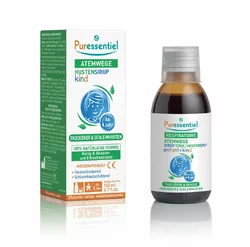
- There is a special cough syrup for children. Its pleasant taste makes it easier to administer and the active ingredients are specifically dosed for children. Before giving a cough syrup to toddlers under two years, consult a paediatrician.
- Breastfeeding women should be aware that some cough syrup active ingredients can pass into breast milk and therefore gentle, natural remedies are preferable. A cough syrup containing acetylcysteine, ambroxol or bromhexine is suitable if natural remedies are not sufficient. Medical advice is recommended.
- Do not use cough syrup excessively. An overdose can, depending on the ingredients, lead to diarrhoea, nausea, vomiting, tachycardia, nervousness, lethargy or dizziness.
- See a doctor if the cough persists for more than two to three weeks, if high fever or chills occur, or if other severe symptoms develop.
Each person reacts individually to cough syrups. Find out for yourself which remedy suits you best!