Elder
It was once considered sacred
Which active ingredients are found in black elder?
Black elder, an impressive shrub, is a true powerhouse of nature – and in two ways. Both its flowers and its berries contain valuable, distinctive active compounds.
The delicate elderflowers are packed with flavonoids, which can loosen stubborn mucus in the airways. They are therefore ideal for coughs and colds. Essential oils also stimulate mucus production and help clear the airways. Tannins have a slightly astringent and soothing effect, while phytosterols and mucilages protect mucous membranes and relieve irritation.
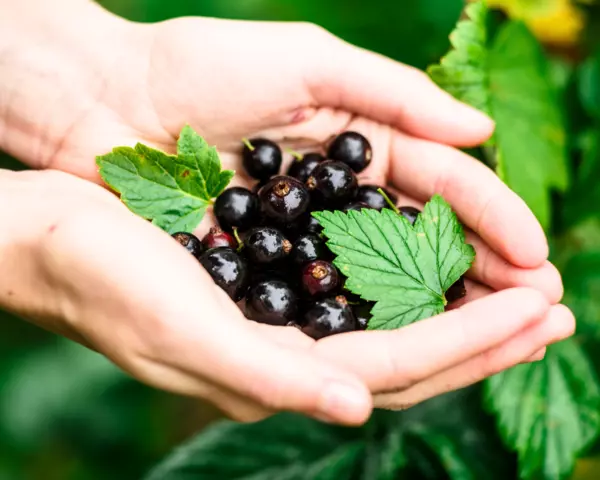
The dark elderberries stand out for their high vitamin C content and are therefore perfect for supporting the immune system during cold season. They also provide B vitamins, folic acid and important minerals such as potassium, calcium and phosphorus, which strengthen the body.
What effect does elder have as a medicinal plant?
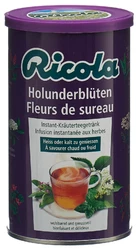
Elder is a real all‑rounder of nature: gentle, versatile and surprisingly effective. Elderflower tea is particularly popular and can work wonders for colds, flu or blocked airways. The essential oils in the flowers promote sweating, help the body detoxify and loosen stubborn mucus. This is ideal when a cold is coming on.
Elder also has topical uses. Its leaves have traditionally been used for minor burns or chilblains and support skin regeneration. The delicate flowers are now also found in nourishing skin creams and soothing balms – they are especially popular for sensitive skin.

Is black elder toxic?
Yes, but only raw and in larger amounts. Fresh, uncooked berries contain the compound Sambunigrin, a glycoside that can be converted to hydrocyanic acid in the body. In sensitive people, children or with excessive consumption this can lead to nausea, vomiting or diarrhoea. A few fresh berries are usually not problematic for healthy adults, but it is not really recommended.
By cooking Sambunigrin is fully broken down. Elder juice, syrup or compote made from cooked berries are completely safe and even healthy, as they are rich in vitamin C.
It is important to use only ripe, deep‑black berries. Red or green, unripe fruits contain significantly more Sambunigrin and must be discarded.
Is red elder edible or toxic?
The bright red berries of red elder (Sambucus racemosa) look tempting at first glance, but they are not edible raw and are considered toxic. Unlike black elder, red elder contains in all parts of the plant, especially in the seeds, high amounts of the glycoside Sambunigrin. This can cause nausea, vomiting and diarrhoea.
Even cooking cannot make the toxin in the seeds completely harmless. If you still want to use the berries, you must carefully remove the seeds before processing, i.e. sift out the toxic pits. Only then can the resulting juice be safely processed into jelly, syrup or liqueur.
What is the basis for elder's effect on colds?
Elder's effect on colds is not an old superstition, but is based on an interesting combination of natural ingredients that have been scientifically studied. In particular, the flowers of black elder are traditionally considered diaphoretic. As a tea they are used for fever and flu‑like infections. The body is stimulated to expel toxins through sweat – a tried‑and‑tested trick of naturopathy.
But the elderberries also pack a punch. They contain anthocyanins and polyphenols, which act as antioxidants and strengthen the immune system. Studies show that elder preparations can even act prophylactically, i.e. they can help prevent colds from developing in the first place. In a widely noticed study of air travellers, those who took an elderberry preparation experienced fewer, milder and shorter colds than those who received a placebo – despite stress and recirculated cabin air.
Science attributes this effect to the combination of secondary plant compounds, vitamins and minerals that actively support the immune system. Thus elder not only helps you recover faster, but can even help prevent illness. A genuine insider tip for the next cold season.
How can I store elder?
The dark elderberries are true vitamin bombs, but they quickly lose their power if stored incorrectly. Best kept cool and dark, as at room temperature they are only good for three to four days. In the refrigerator they remain fresh for up to two weeks. But the longer they sit, the more active substances are lost. To benefit from the health‑promoting properties, it's better to process them promptly.
The fine flowers that grow on the delicate branches of elder are even more delicate. They wilt after only one to two days, so you must act quickly or preserve them. A tried‑and‑tested method is drying in a warm, shady and airy place. Simply spread them on baking paper and wait. The flowers preserved in this way can later be brewed into a wonderfully fragrant cold‑remedy tea.
Elder: how flowers and berries unfold their full power
- Pick only deep‑black, fully ripe berries of Sambucus nigra. Unripe or red berries contain toxic substances and should not be eaten raw under any circumstances.
- Raw elderberries can cause diarrhoea or stomach pain. By cooking at least 80 °C the Sambunigrin is rendered harmless – only then are the berries edible.
- Harvest elderflowers on a dry morning when they are in full bloom. Lay them loosely on a cloth in a shady, airy spot – after 2–5 days they will be crisp‑dry and ideal for a soothing cold tea.
- Boil 750 g sugar with 0.75 l water, place 8 elderflower heads, half a lemon and half an orange in a large vessel and pour the hot syrup over them. After 2 days, strain and bottle – the syrup is ready for refreshing lemonade or to refine desserts.
- Heat 500 ml elderberry juice with 1 cm fresh ginger, add 150 ml orange juice, a little cinnamon and 1 tbsp honey. This warm drink boosts your defences and feels pleasantly warming at the first signs of a cold.
- Combine elderberry juice, apples, oats, nuts, flaxseed, honey and spices into a creamy porridge. This breakfast supplies important vitamins, supports digestion and provides energy for the day.
- Cook 500 g strawberries with an infusion made from 10 elderflower heads, 250 ml water, lemon juice and 500 g jam sugar. Filled into jars, this makes a fruity, slightly floral jam – ideal for breakfast.
- Chop fruits such as elderberries, dates and cashews, mix with elderflower syrup, honey and spices, spread the mixture between wafers and press overnight. The bars provide long‑lasting energy and keep for several weeks if stored cool.
- Put fresh elderflowers into hot milk and let steep for about 10 minutes. This mild vanilla‑scented drink is soothing – perfect for a relaxed evening.
- Pour freshly cooked elder juice hot into sterile bottles or jars, seal immediately and let cool slowly. This creates a vacuum – the juice then keeps for several months.
- Take 2 tsp dried elderflowers, pour hot water over them and let the tea steep for 10 minutes. The infusion promotes sweating, helps loosen phlegm and supports your natural defences – a genuine natural remedy for infections.
- Place a large handful of dried elderflowers in a cotton bag or a clean cloth, pour hot water over it and let steep for 10 minutes. Pour this infusion into the bath water – the floral bath is relaxing, soothing for the skin and comforting when you feel a cold coming on.
Elder is much more than just a wild shrub – it impressively unites healing power, flavour and tradition. Whether as tea for colds, syrup to strengthen you, or as an ingredient in creative recipes, flowers and berries are versatile and full of valuable active substances. Properly processed, elder brings the natural pharmacy straight into your home.