Cough
When it itches and tickles so much
What is a cough?
Coughing is a natural defence mechanism of the body that clears the airways of unwanted substances such as mucus, dust or other particles. When the sensitive mucous membranes in the throat, larynx, trachea or bronchi are irritated, specialised sensors detect this stimulus and send a signal to the brain. This then activates the cough reflex, a powerful, usually unconscious expulsion of air. Unwanted substances are thus transported out of the airways. The air can be expelled at very high pressure and speed, which further enhances the cleansing effect.
Coughing can occur not only reflexively but also be triggered voluntarily. In both cases it supports the lungs' self-cleaning, especially when the normal clearing mechanisms such as the cilia are impaired, for example during an infection. In such situations the body produces more mucus, which is expelled by coughing.
What types of cough are there?
Cough can be classified in different ways, particularly by duration and by whether or not sputum is produced. Acute cough appears suddenly and usually lasts only a few days up to a maximum of two weeks. If it continues for two to eight weeks it is described as subacute. If symptoms last longer than eight weeks, the cough is termed chronic. In children this term is often used when the cough lasts more than four weeks.
Another distinguishing criterion is the nature of the cough. Dry cough, also called irritative cough, is distressing, does not produce sputum and is usually caused by irritation of the airways. It is uncomfortable for those affected, does not serve a cleaning function and can be particularly bothersome at night. By contrast, productive cough brings mucus up from the bronchi and is expectorated. This expectoration is called sputum and helps the body remove pathogens and excess secretions from the airways.
During the course of a respiratory illness the form of the cough can change. It often starts as a dry, irritative cough that later becomes productive with expectoration. Even after the acute phase, a dry cough can reappear. These transitions are typical and should be taken into account when monitoring the course of the illness. Accurate classification of the cough type is therefore an important aid in better assessing health and enabling targeted treatment.


What are the most common causes of cough?
Coughing can be triggered by a wide range of factors, from harmless to more serious. It occurs particularly frequently in connection with acute respiratory infections, such as those seen with common colds or true influenza. These infections initially cause a dry cough, which often proceeds to mucus production. Viral and bacterial agents can spread from the inflamed mucous membranes into the deeper airways and sometimes lead to severe courses.
Another common trigger is an acute or chronic bronchitis. While the acute form is usually due to an infection, chronic bronchitis is often a consequence of long-term smoking. Other lung diseases such as asthma or chronic obstructive pulmonary disease (COPD) are also associated with persistent cough, sometimes dry and sometimes with tenacious sputum.
Cough can also be caused by external irritants, for example inhaling dust, smoke, chemical substances or allergens such as pollen, animal hair or mould. In people with allergies such triggers can cause severe coughing fits that may develop into allergic asthma. Irritations outside the airways, such as ascending stomach acid into the oesophagus, can also trigger chronic irritative cough—even when no noticeable heartburn is present.
Various conditions beyond the lungs should also be considered when investigating persistent cough. These include heart failure, where fluid accumulates in the lungs, and certain disorders of the digestive tract that cause reflux into the airways. Even irritations in the ear canal or inflammation of the pleura can trigger coughing via nerve connections.
Other possible causes are swallowed or inhaled foreign bodies, especially in children, as well as rare infections such as pertussis, tuberculosis or diphtheria. Lung cancers can also announce themselves in an early stage through persistent cough. Finally, certain medications, for example ACE inhibitors used to treat high blood pressure, can cause cough. In these cases the cough is usually dry and subsides after the medication is stopped.
Can cough be psychologically induced?
Cough can indeed be psychologically induced and is then referred to as psychogenic cough. It typically presents as a dry, irritative cough, occurs in bouts, recurs over weeks and cannot be explained by physical causes. It typically does not occur during sleep and does not worsen with physical exertion. Psychogenic cough is often associated with emotional tension, anxiety, depression or stressful life events.
The diagnosis is made by excluding physical causes through thorough examinations, such as a lung function test or an X-ray. Only if no organic explanation is found is a psychological cause considered. Psychogenic cough is classed among somatoform disorders, in which physical symptoms occur without an organic cause.
In children, psychogenic cough may be more common, particularly when it remains as a habit after a respiratory illness. Key therapeutic approaches include psychotherapy and addressing the psychological triggers.
Why is cough worse at night?
Increased nocturnal coughing can be caused by several interacting factors. When lying down, mucus from the nasal passages more easily flows back into the throat, where it can trigger the cough reflex. At the same time, a blocked nose often leads to mouth breathing, which dries out the mucous membranes of the airways and promotes dry, irritative cough.
In addition, lying down makes expectoration more difficult, especially when lying flat on the back. Secretions therefore accumulate more readily and are not transported away as effectively, increasing irritation. Also, overly warm and dry room air can further worsen the symptoms.
To alleviate this, it is advisable to keep the upper body slightly elevated during sleep and to ensure a comfortable humidity level, for example by tilting a window or using a humidifier. This improves mucus drainage, reduces drying of the airways and can decrease nocturnal coughing episodes.
When to see a doctor for a cough?
You should seek medical advice if a cough lasts longer than two to three weeks, becomes increasingly bothersome or worsens. Warning signs such as bloody sputum (pink, reddish or brownish), high fever, shortness of breath or wheezing and rattling noises when breathing require immediate medical attention. This applies especially to infants, toddlers, elderly or care-dependent people, as serious causes such as inhaled foreign bodies or an atypically presenting pneumonia may be present.
Even though cold-related cough is usually harmless in healthy people, adequate rest is important. Those who do not recover from a persistent cough risk deterioration, for example spreading bronchitis or developing pneumonia. In addition, careless behaviour, such as coughing without protection, can endanger others, particularly chronically ill people. A doctor's visit is therefore sensible both for one's own health and to protect those around you.
What you can do against cough: useful tips
- Drink two to three litres of warm herbal teas daily, for example with thyme, plantain, lime blossom or marshmallow. This thins mucus, soothes irritated mucous membranes and relieves the urge to cough. Hot lemon or cough and bronchial teas are also useful, especially in dry indoor air or for dry cough.
- Put chamomile or thyme tea, peppermint leaves or a little eucalyptus oil into a bowl of hot water. Lean over the bowl with a towel over your head and breathe the steam slowly through your mouth and nose. This loosens mucus and soothes inflamed mucous membranes. Important: the water must not be too hot. For children use only warm water.
- To support mucus loosening, you can prepare an onion syrup with honey or sugar. Mix a diced onion with 2 tbsp of sugar or honey and let the mixture steep for two hours. Take 2 tsp of it several times a day.
- For dry cough, chest compresses with boiled potatoes can help. Boil 500 g of unpeeled potatoes, mash them and wrap the mass in a cotton cloth. Place the warm compress (not too hot!) on the chest and secure it with a towel. Leave it on for about 30 minutes and then rest warmly covered. This application is not suitable for fever, skin inflammations or heart problems.
- For productive cough, perform a gentle percussion massage of the chest and back regularly. This promotes expectoration and should be repeated several times a day, especially in the morning after getting up and in the evening before going to bed.
- Massage the chest and back with a cough oil that contains essential oils such as eucalyptus or thyme. These oils support mucus loosening and make breathing easier. Avoid such oils in children under three years.
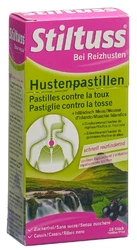
- For cough irritation, lozenges with Icelandic moss or marshmallow are helpful. They form a protective film over the irritated throat mucosa and relieve the urge to cough, especially in dry air caused by heating or air conditioning.
- Keep your sleeping environment humid by, for example, placing a bowl of water on the heater or using a humidifier. Dry air further irritates the mucous membranes and increases nocturnal coughing.
- Use herbal cough remedies with ivy or primula root extracts in drop or syrup form. These gently promote mucus loosening and are generally well tolerated.
- Ensure enough rest and warmth, but avoid excessive sweating. Warmth on the chest promotes circulation, strengthens the immune defences and supports mucus loosening.
- For persistent cough, have causes such as croup, cystic fibrosis or reflux disease with stomach content backflow investigated and, if necessary, use an appropriate expectorant.
- Always consider the type of cough with any measure and seek medical advice if unsure. Incorrect treatment — for example taking cough suppressants for productive cough — can delay healing.
Although cough is usually harmless, it should not be underestimated. Especially in prolonged illness or with unusual symptoms, medical evaluation is recommended.