
Cross-allergy
It rarely comes alone
editorial.overview
What is a cross-allergy and how does it develop?
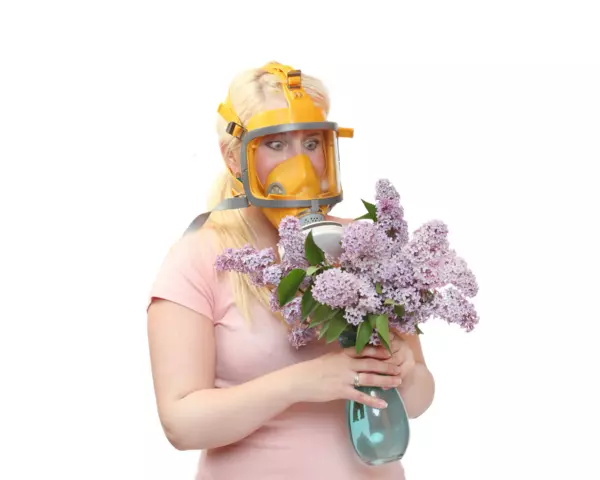
An allergy is an excessive defensive reaction. Sensitisation of the immune defenses occurs: the immune system mistakenly regards allergens as dangerous and contact with them leads to an allergic reaction — immunoglobulin E antibodies are directed against an allergen from a particular source. For example, the body of someone allergic to birch pollen reacts with sneezing, a runny nose and watery eyes when birch pollen enters the immune system.
Later on, a cross-reaction may lead to allergies to foods such as apple or hazelnut. This is because these foods contain proteins similar to those in the pollen — the protein building blocks of an apple are structurally similar to birch pollen. The immune system cannot distinguish the two proteins and may attempt to attack apple proteins as well.
Which cross-reactions are common?
Every cross-allergy — or pollen-associated food allergy — is based on a primary allergy to pollen, house dust mites or latex, i.e. against the proteins they contain. Which substances can trigger a cross-reaction depends on the primary allergen.
Here are the most common cross-reactions: people allergic to birch, alder and hazel pollen often react to nuts, pome and stone fruits, kiwi, celery, carrots or raw potatoes. Some birch pollen allergic people also experience a strawberry allergy.
People allergic to grass or cereal pollens (for example meadow-grass or rye) frequently develop allergies to tomato, kiwi or celery. Cross-reactions to flours (e.g. wheat or rye flour) are also possible.
Mugwort/Artemisia allergy sufferers are hypersensitive to certain herbs and spices such as parsley, pepper, anise, paprika powder or chamomile. Less commonly, carrots, sunflower seeds, celery or mango can also be involved.
After eating crustaceans, molluscs or snails, people with a house dust mite allergy can sometimes react. A latex allergy may be associated with cross-reactions to various fruit allergies (e.g. pineapple, kiwi, avocado, banana), potato allergies or nut allergies. Some people also react to the weeping fig, a popular houseplant. Individuals allergic to bee venom may have cross-reactions to wasp venom and honey.

What increases the risk of allergies and cross-allergies?
The development of an allergy, and therefore of a cross-allergy, is possible at any point in life. However, there are some factors that increase allergy risk: excessive hygiene during childhood, genetic predisposition, active and passive smoking and other air pollutants during pregnancy, breastfeeding and after birth.
Allergic reactions can vary widely, especially when it comes to foods. The allergen content of organic products varies greatly — depending on variety, growing region, ripeness and preparation. For some allergic individuals, even traces of allergens can trigger severe reactions. Symptom severity depends, besides the allergen content of the product, on the physical and mental condition of the allergic person.
What symptoms does a cross-allergy show?
Symptoms of a cross-allergy usually appear a few minutes up to two hours after the relevant food has been eaten. In most cases they are mild. However, in some cases more severe cross-reactions affecting the whole body can occur.
Typical symptoms include oral allergy syndrome (hives in the mouth area — lips, tongue, palate, throat), swelling of the oral mucosa, redness or blistering. These symptoms usually subside after a few minutes.
Occasionally, other complaints may occur such as hives over the whole body, acute swelling of skin and mucous membranes, sudden skin reddening, vomiting, diarrhoea, dizziness, drop in blood pressure and shortness of breath.
Which factors worsen symptoms in cross-allergies?
Cross-allergies may or may not occur. Physical symptoms can be worsened by certain influences. One example is the consumption of very large amounts of the problematic food, especially on an empty stomach. Or when engaging in physical exertion, for example during sport. In that case, absorbed allergens are distributed more quickly in the blood. Alcohol consumption before, during or after eating can also intensify symptoms.
Managing cross-allergies: effective tips to relieve and prevent
- Anaphylactic shock is very likely if a person develops a skin rash, breathing difficulties and cardiovascular problems. In that case, rapid first aid and calling emergency services are required!
- To avoid cross-allergies, mothers should neither smoke actively nor be exposed to passive smoking during pregnancy, breastfeeding and after birth. Parents should also avoid excessive hygiene in infancy, as too much cleanliness can promote the development of allergies. During the first year of life (after introduction of complementary foods), a varied diet is also recommended.
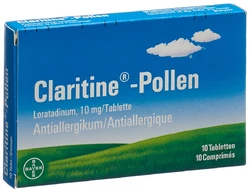
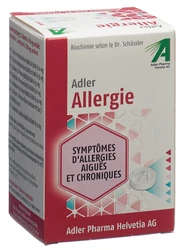
- How a cross-allergy is treated usually depends on how it develops and which primary allergy underlies it. In any case, people with cross-allergies are advised to avoid known allergens as far as possible.
- In some cases, treating the underlying allergy with desensitisation (immunotherapy) is possible. This can also eliminate the cross-allergy.
- If you are allergic to several foods and must avoid them, it is particularly important to keep your diet balanced. Your doctor or a dietician can help you create a suitable nutrition plan.
- Most people with an allergy tolerate a specific fruit or vegetable variety, but not a fruit salad or a raw vegetable platter. To avoid such cumulative effects, different types of fruits and vegetables should not be mixed.
- The occurrence of symptoms also depends on the method of preparation. Tolerance of a food can, for example, be improved by heating. The protein component responsible for the cross-allergy and the unpleasant symptoms breaks down in cooked or baked apples or in pasteurised juices.
- The structure of allergens varies by variety. Old apple varieties such as Boskoop, Gravensteiner or Cox Orange are better tolerated by allergic people than Granny Smith or Golden Delicious. Scientists have also found differences among tomato varieties. Varieties like Rugantino or Rhianna, which contain the lowest proportion of the allergenic protein, are often better tolerated by people with cross-reactions.
- The reaction threshold can be lowered by stress and physical exertion. For this reason, consuming cross-reactive foods during stressful periods of life as well as before and after sport is not advisable.
- A cross-allergy can lead to life-threatening circulatory problems. Especially people with severe allergies should always carry their allergy passport and an emergency allergy kit with medications. It is important that you are well informed about your condition and how to act in case of an allergic reaction.
With these tips you can keep your cross-allergy under control!